
MVP: How to Launch Your Software Idea Without Overspending
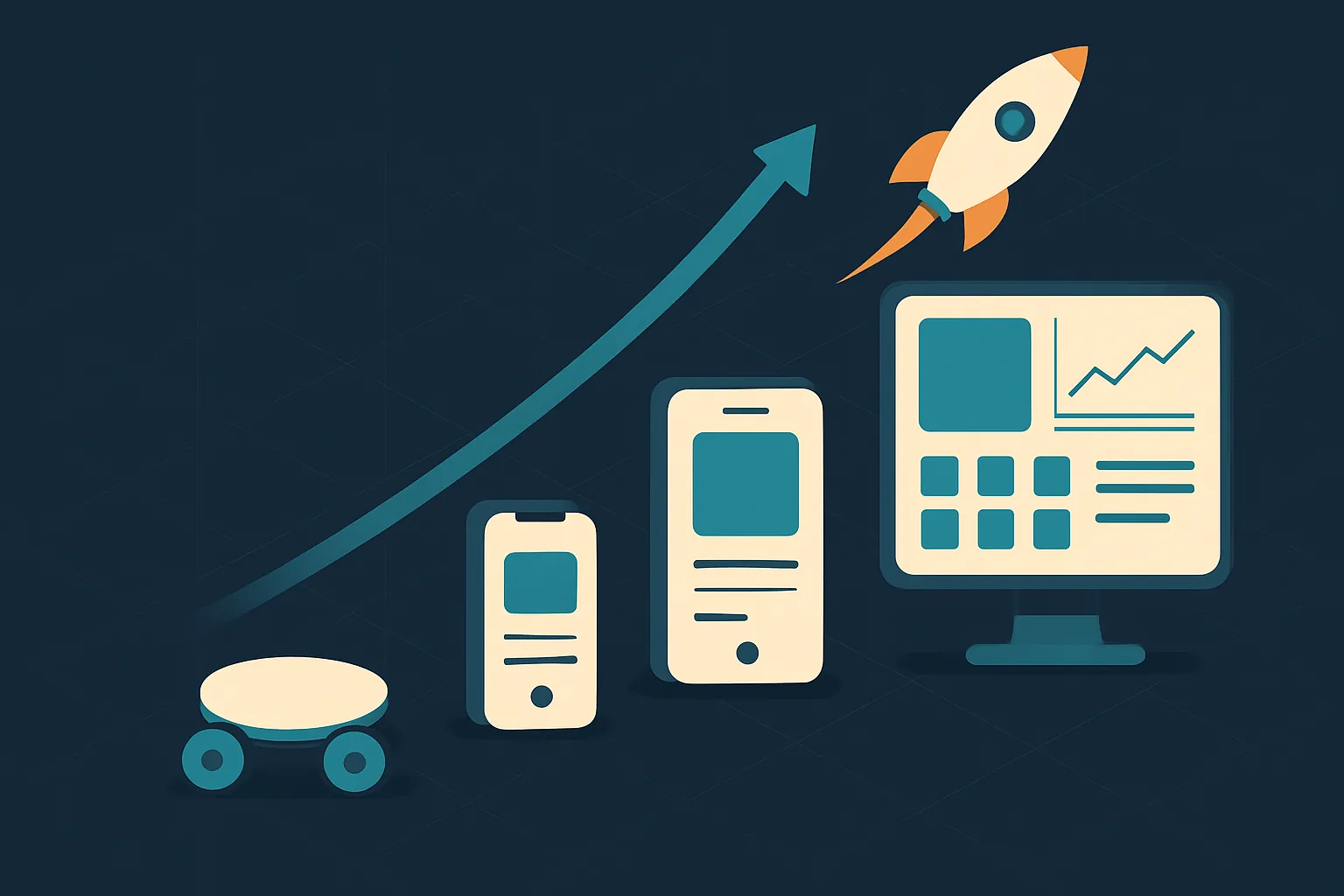
You have a digital product idea —an app, a platform, a system— and the full vision in your head: dozens of features, all polished, ready to conquer the market. Instinct says “build it all and launch it.” And that’s exactly where many projects burn through their budget before knowing whether the idea even works.
There’s a smarter —and much cheaper— way to do it: the MVP.
What is an MVP?
MVP stands for Minimum Viable Product: the simplest version of your product that already solves the core problem and can be put in the hands of real users. It isn’t a half-baked or low-quality product; it’s a focused product that does one important thing well, instead of many things halfway.
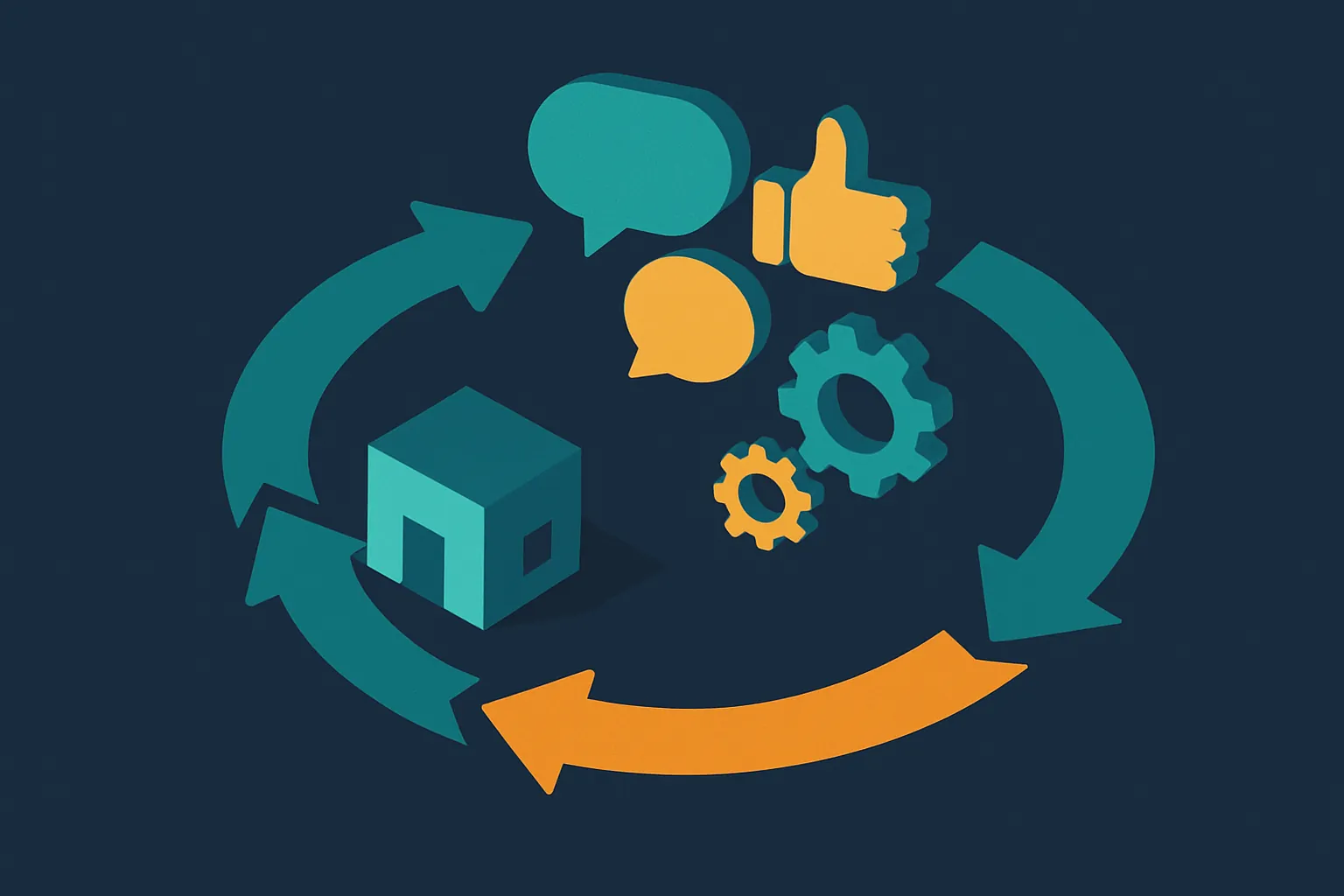
The idea is simple but powerful: instead of betting your whole budget on assumptions, you launch a first version, learn from real users and build the rest on evidence, not hunches.
Why launching everything at once is the most expensive option
Building the full product before validating it carries three costly risks:
- You build features no one uses: market studies agree year after year that a large share of software features are rarely or never used. Each one cost time and money.
- You take months to launch: and during that time you receive neither revenue nor a single lesson from the real market.
- If the idea needs adjustments, changing is very expensive: correcting the course of a big product costs far more than tweaking a small one.
The MVP doesn’t eliminate risk, but it drastically reduces it: you invest little to learn a lot, before committing the bulk of the budget.
What an MVP IS and what it ISN’T
There’s a common misunderstanding. Let’s clarify:
- It is: the core feature that delivers the main value, built with quality and easy to use.
- It isn’t: a prototype that doesn’t work, or a buggy product “because it’s the first version.”
- It is: a solid base designed to grow.
- It isn’t: throwaway code you’ll have to scrap later (that only creates technical debt from day one).
A good MVP is built well on the inside even if it’s small on the outside, so version 2 builds on it instead of starting from scratch.
How to define your MVP in 4 steps
- Define the problem, not the features: what is the main pain your product solves? Everything else is secondary for now.
- Identify the must-have feature: if you could only launch one thing, which one proves the value? That’s your MVP.
- Define how you’ll measure success: what signal will tell you the idea works? (returning users, completed tasks, people willing to pay).
- Launch, measure and learn: put the MVP in front of real users, listen and decide the next feature based on data.

From MVP to full product
The MVP isn’t the end, it’s the beginning. Once you validate that the idea works, you scale with confidence: you add features that users actually asked for, connect with other systems and invest fully knowing you’re building on something proven. Every dollar you spend from there carries far less risk.
That’s why, when we build custom applications, we often recommend starting with a well-built MVP: it’s the way to reach the market faster, spend less and build the right product.
At Kimo Solutions we help entrepreneurs and companies take their software idea from concept to launch with an MVP approach: validate fast, spend wisely and scale on solid foundations.
Do you have a digital product idea? Contact us and let’s define the MVP that will put it to the test in the real world.
Have a project in mind?
Get in touch →