
Technical Debt: Why Your Software Gets Slow, Expensive and Fragile (and How to Avoid It)
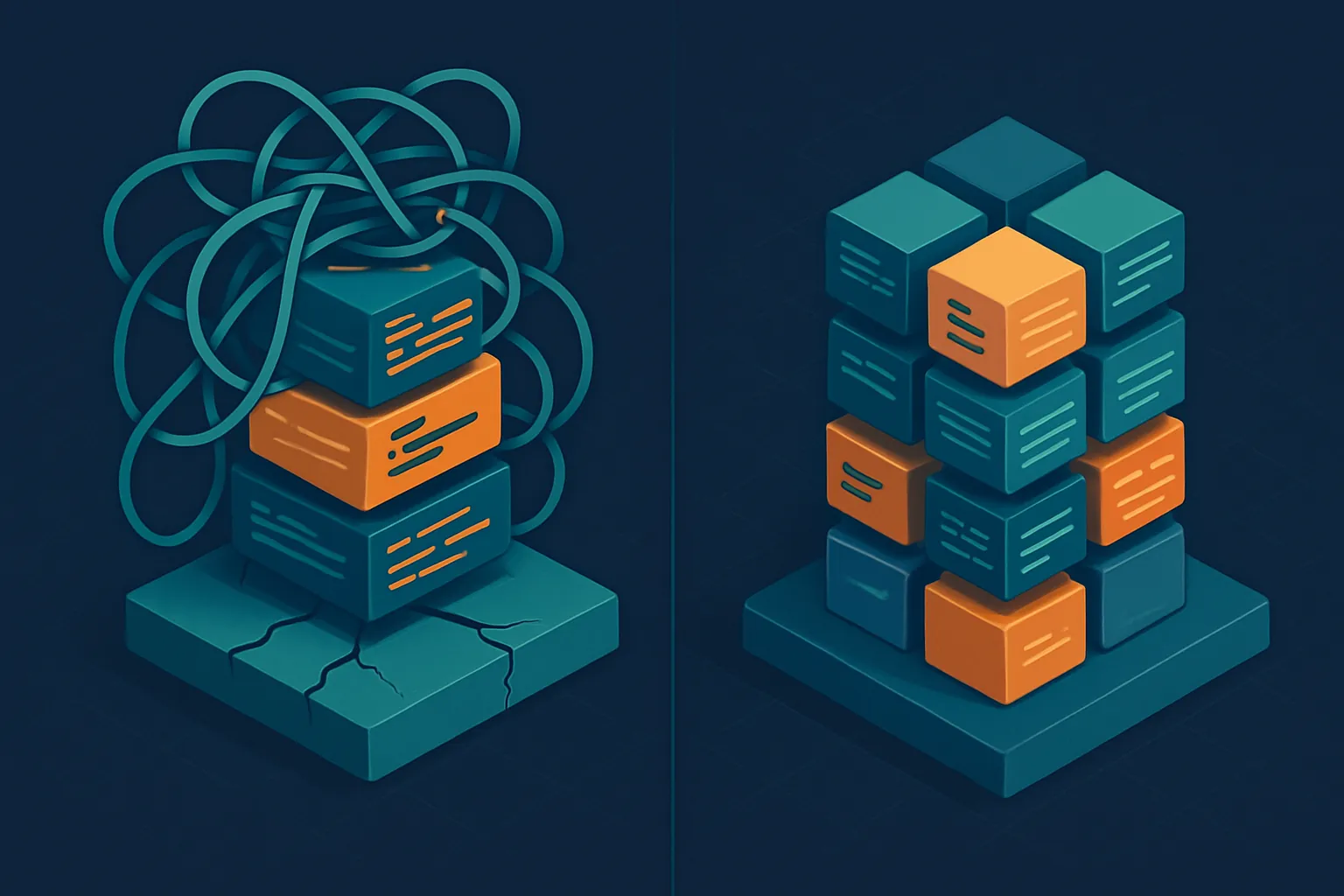
There’s a story that repeats itself in many companies: a system that was fast and easy to change at first becomes, over the years, slow, unpredictable and extremely expensive to touch. Every small adjustment takes weeks, every change breaks something else, and no one wants to get their hands dirty “in case it breaks.” If this sounds familiar, it’s not bad luck: it’s technical debt.
Understanding what it is and how to keep it in check can save you a lot of money and keep good software from turning into a burden.
What is technical debt?
Technical debt is the accumulated cost of the quick decisions made while developing software. Like financial debt, it isn’t necessarily bad: sometimes it’s worth “borrowing” time —doing something fast to reach the market— with the intention of improving it later.
The problem is when that debt is never paid and keeps accruing interest. Every shortcut that isn’t fixed makes the next change a little harder. Over time, that interest eats away at the team’s productivity and the business’s agility.
What technical debt looks like in your business
You don’t need to be technical to spot it. These are the signs:
- Every change takes longer and longer: what used to be a day is now two weeks.
- Fixing one thing breaks another: the system is so fragile that touching it is scary.
- Only one person understands the code: and if they leave, you’re in trouble.
- The system crashes or slows down with no clear explanation.
- They tell you “let’s just rebuild it”: the sign that debt has hit its limit.
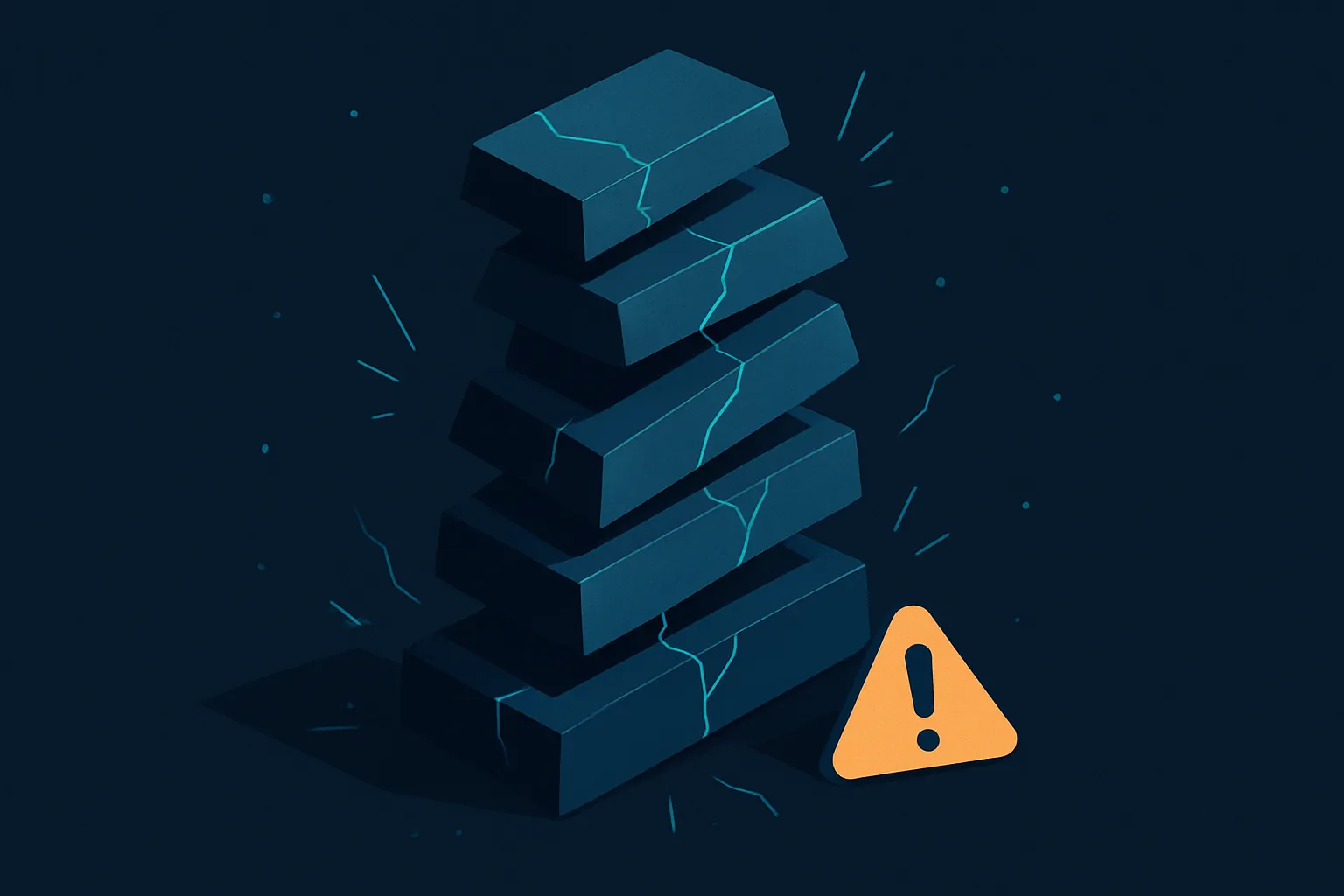
The real cost (that’s rarely calculated)
Technical debt doesn’t show up on any invoice, but you pay it every day:
- Lost speed: your business can’t react quickly to an opportunity because “the system can’t do it yet.”
- More errors: fragile software fails more, and every failure costs in sales, support and reputation.
- Rising costs: maintaining a system full of debt gets more expensive, until rebuilding it seems like the only way out.
- Security risk: old, unmaintained code accumulates vulnerabilities.
The dangerous part is that it feels “normal” —because the decay is gradual— until one day the system becomes the main brake on the business.
How to keep it under control
The good news: technical debt is managed, not suffered. The key is continuous maintenance, not waiting for everything to explode. A good plan combines:
- Preventive maintenance: periodically reviewing, updating and tidying the system before problems appear.
- Corrective maintenance: resolving incidents quickly and definitively, not with patches that create more debt.
- Planned refactoring: improving the most problematic parts from the inside, without rebuilding everything, so the system becomes easy to change again.
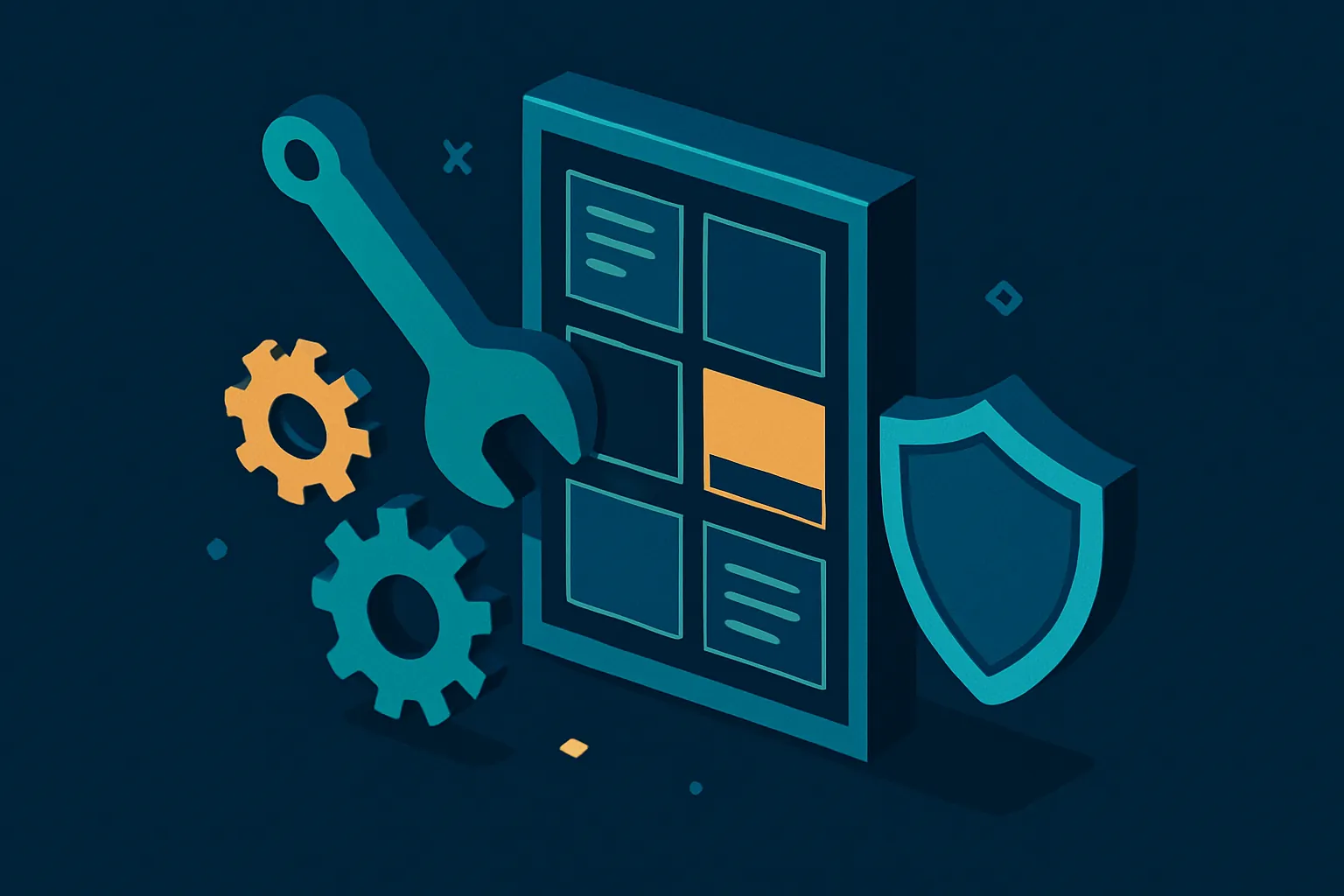
Our maintenance and support service is designed for exactly this: keeping your software healthy, secure and up to date, so your investment keeps growing instead of aging.
Preventing it from day one
The best technical debt is the kind that never accumulates. That’s why, when we build custom software, we do it with the long term in mind: tidy architecture, documented and maintainable code, and tests that let you change with confidence. It costs a bit more up front, but it keeps your system from becoming the very problem you wanted to solve.
What you can do today
- Ask your team or vendor how long a typical change takes today, and compare it to a year ago.
- Request an assessment of your software’s health: often a few targeted improvements restore much of the agility.
- Adopt a maintenance plan instead of operating from fire to fire.
At Kimo Solutions we help companies keep their software fast, secure and easy to evolve —and rescue systems that already carry too much technical debt— without having to start from scratch.
Is your system getting harder to change? Contact us and let’s assess how to bring its agility back.
Have a project in mind?
Get in touch →