Custom CRM: When Your Company No Longer Fits a Generic CRM

A CRM —the system where you manage your customers and sales— is one of the first tools a company adopts when it wants to grow in an organized way. And it almost always starts with a generic, monthly-subscription one. To get going, that’s the right call: cheap, fast to set up and good enough.
The problem appears later, when your way of selling grows and becomes particular… but the generic CRM keeps forcing you to work the way it wants. That’s when it’s worth asking whether you already need a custom CRM.
What a CRM does (and why it matters)
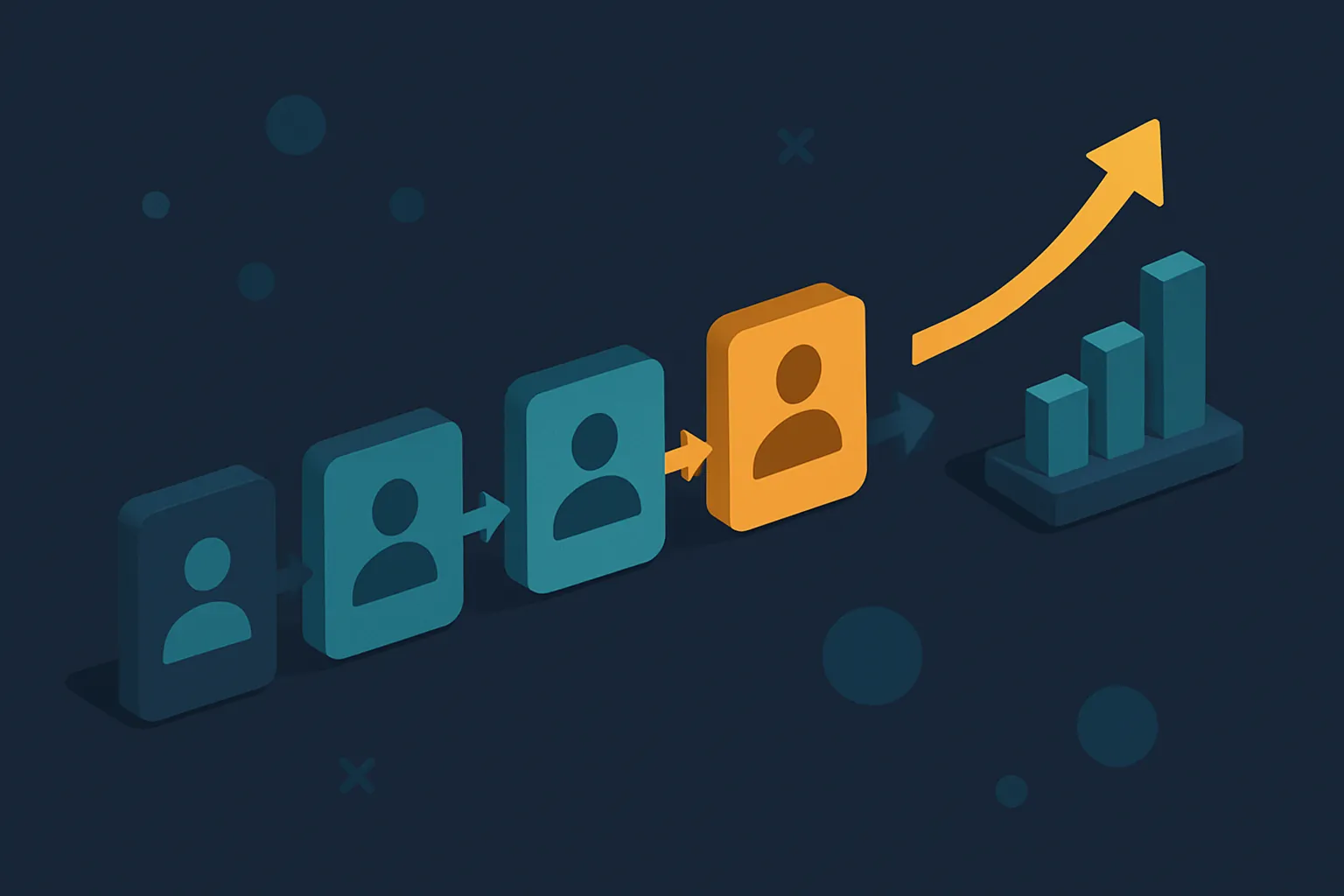
A well-used CRM centralizes your customer relationships: who each one is, what sales stage they’re in, what was offered, when to follow up. Instead of that information living in your salespeople’s heads or in loose spreadsheets, it lives in a single place.
The benefit is direct: you don’t drop any lead, you follow up better and you sell more without relying on anyone’s memory.
When the generic CRM stops being enough
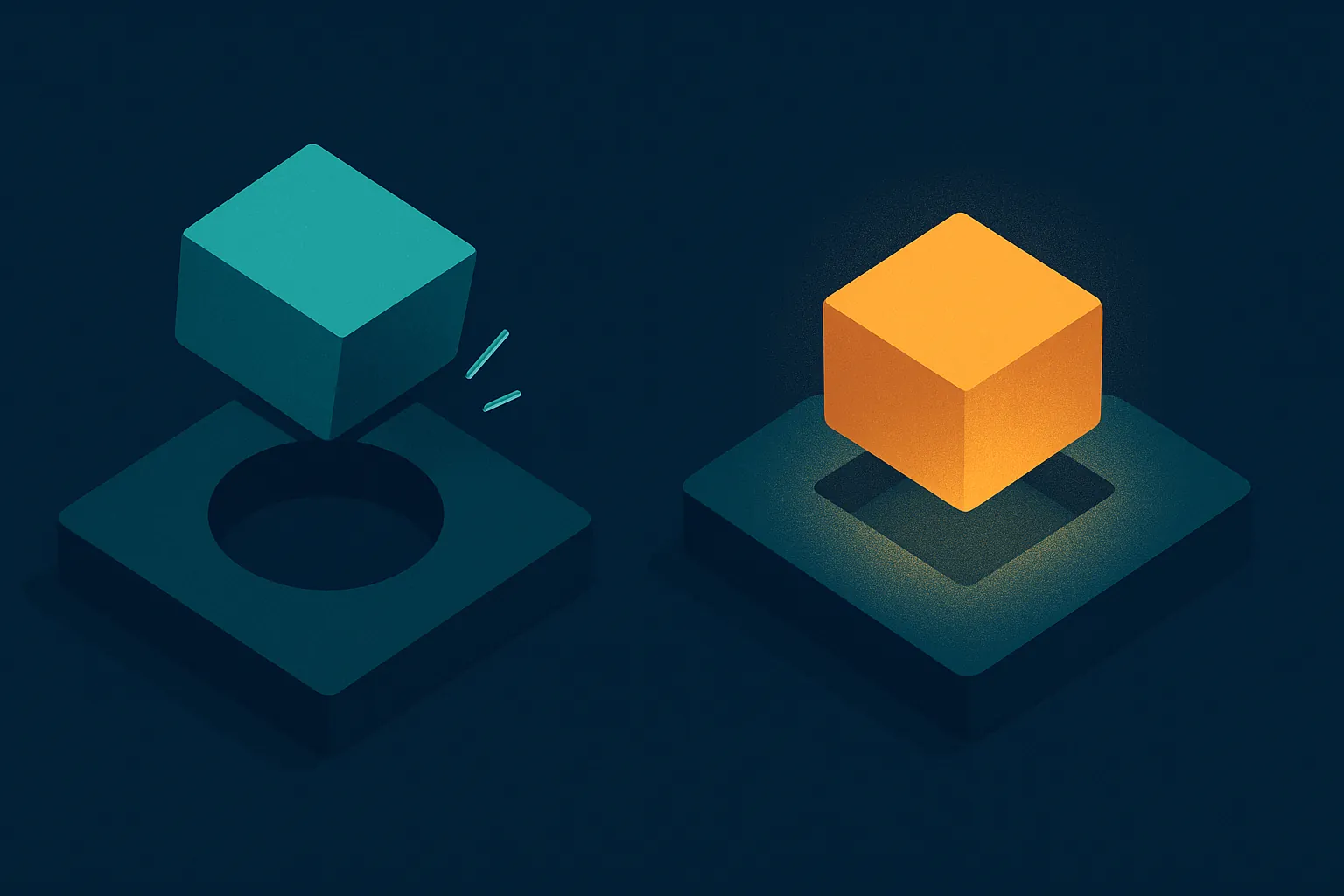
Generic platforms are designed for the average. They work as long as your process looks like everyone else’s. They start getting in the way when:
- Your sales process doesn’t fit its boxes: you have your own stages, rules or approvals the platform doesn’t account for, and you end up forcing the system or tracking things outside it.
- You pay for features you don’t use and, at the same time, lack the one you actually need.
- The per-user cost skyrockets as your team grows, month after month, forever.
- It doesn’t connect with your other systems: your CRM, invoicing and inventory live separately and someone enters the same data three times.
- You can’t pull the report that really matters because the CRM only shows its standard metrics.
What you gain with a custom CRM
A custom CRM is designed around your way of selling, not the other way around. That means:
- Your process, exactly as it is: stages, rules and automations reflect how your company actually sells.
- Only what you need: without paying for modules you never open, and with exactly the features your operation requires.
- Controlled cost: an upfront investment instead of an ever-growing per-user rent.
- Connected to everything: it integrates with your invoicing, inventory and other systems so data flows on its own. (We covered this in system integration.)
- Your reports, your way: dashboards with the indicators your leadership actually uses to decide.
“Isn’t it more expensive than paying a subscription?”
In the short term, a subscription always looks cheaper. But that cost grows forever —per user, per month— while the system still doesn’t quite fit. A custom CRM is an upfront investment that, past a certain point of growth, becomes both cheaper and more useful, because it eliminates the perpetual rent and the manual work the generic one forced you to do on the side.
The right question isn’t “which costs less this month?”, but “which one makes me sell more and costs less over 2 years?”.
How to know if it’s your time
- Count the “patches”: how many things do you track outside the CRM because they don’t fit in it?
- Add up your annual per-user license rent and project it over 3 years.
- Ask your sales team what makes them lose time in the current system.
If the answers hurt, you’ve probably outgrown the generic CRM.
At Kimo Solutions we design and build custom CRMs that fit your sales process, connect with your systems and grow with you —no skyrocketing rents, no boxes that don’t fit.
Is your CRM getting too small for you? Contact us and let’s design the one your way of selling needs.
Have a project in mind?
Get in touch →