
Custom Data Privacy Compliance Software: How to Avoid Fines Under Mexico's Data Protection Law
Almost every company operating in Mexico with customers, employees, or vendors handles personal data: names, tax IDs, addresses, purchase history, employee files. Mexico’s Federal Law on Protection of Personal Data Held by Private Parties (LFPDPPP) requires businesses to disclose how that data is used, obtain consent when required, and respond to access, rectification, cancellation, or objection requests — the so-called ARCO rights — within defined deadlines.
The law itself isn’t the hard part. Compliance in practice is. In most companies, the privacy notice lives in a PDF nobody rereads, consent is simply assumed, and when a customer asks what information the company holds about them, the request lands in someone’s inbox and gets handled manually — if it gets handled on time at all.
Why manual compliance gets expensive
Mexico’s data protection authority (INAI, or whichever body assumes its functions) can sanction companies that mishandle an ARCO request, fail to implement reasonable security measures, or suffer a data breach without notifying affected parties. Fines can range from a few thousand to millions of pesos depending on severity.
But the real cost is rarely just the fine. It’s:
- Time from legal or leadership putting out fires every time a request comes in, instead of following an already-defined process.
- Reputational risk when a customer feels their information “got lost” somewhere in the organization.
- Unnecessary exposure, because without knowing exactly where each piece of personal data lives, you can’t protect it — or delete it when required.
Handling this manually isn’t just slower. It’s riskier, because it depends on someone remembering to do the right thing every single time.
What it means to build compliance into the software itself
Custom software doesn’t remove the legal obligation, but it can turn it into an automatic, auditable process instead of a manual task that depends on someone’s memory.
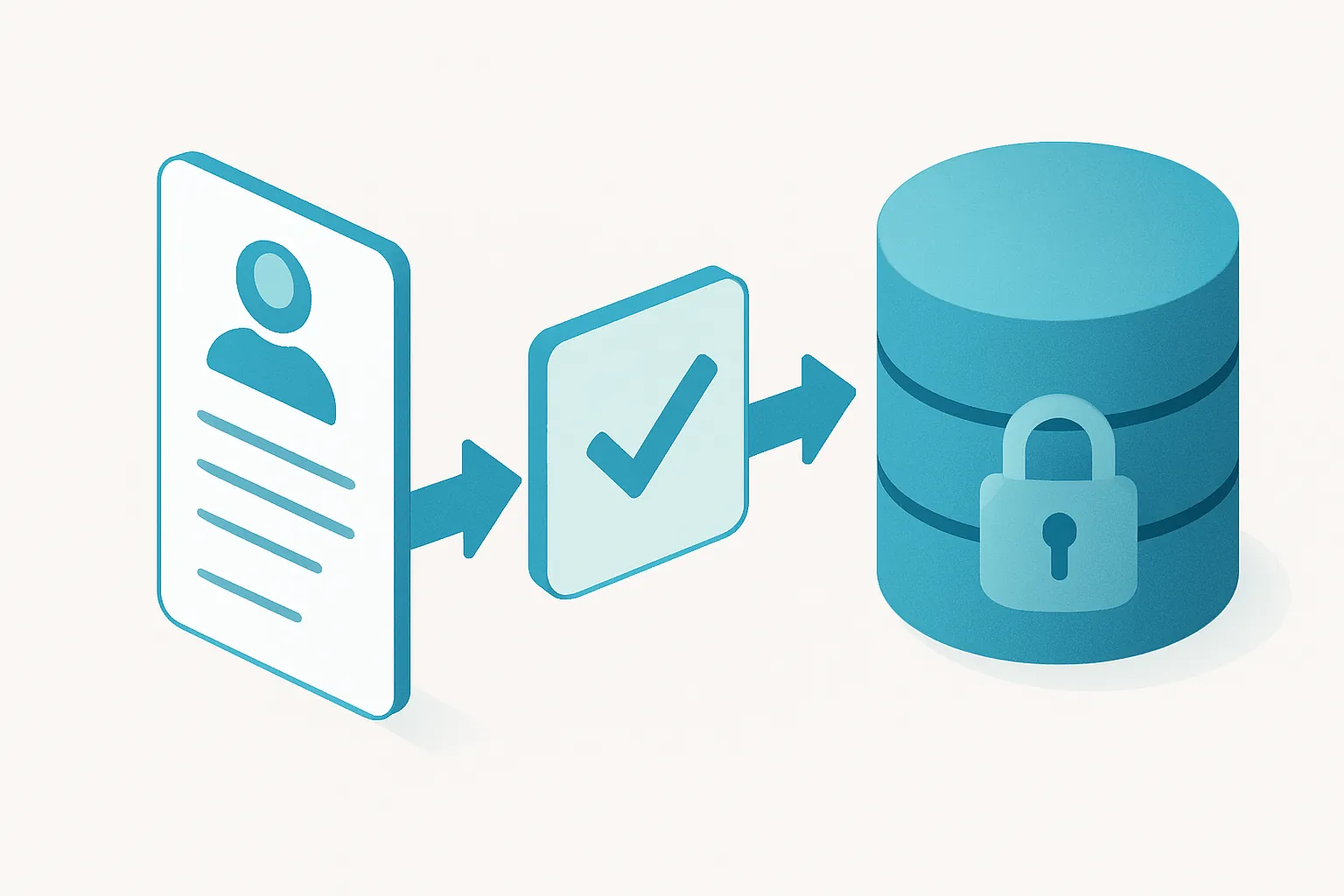
Personal data mapping
Before you can protect something, you need to know where it lives. A well-designed system documents which personal data is captured, in which module, for what purpose, and who has access to it — from the customer intake form all the way to the report a manager exports.
Consent management
Instead of a static privacy notice, the system logs when and how each person accepted the processing of their data, and for which specific purposes (marketing, billing, collections). If a purpose requires explicit consent, the system simply won’t proceed without it.
Automated handling of ARCO requests
When someone asks to access, correct, cancel, or object to the use of their data, the system can:
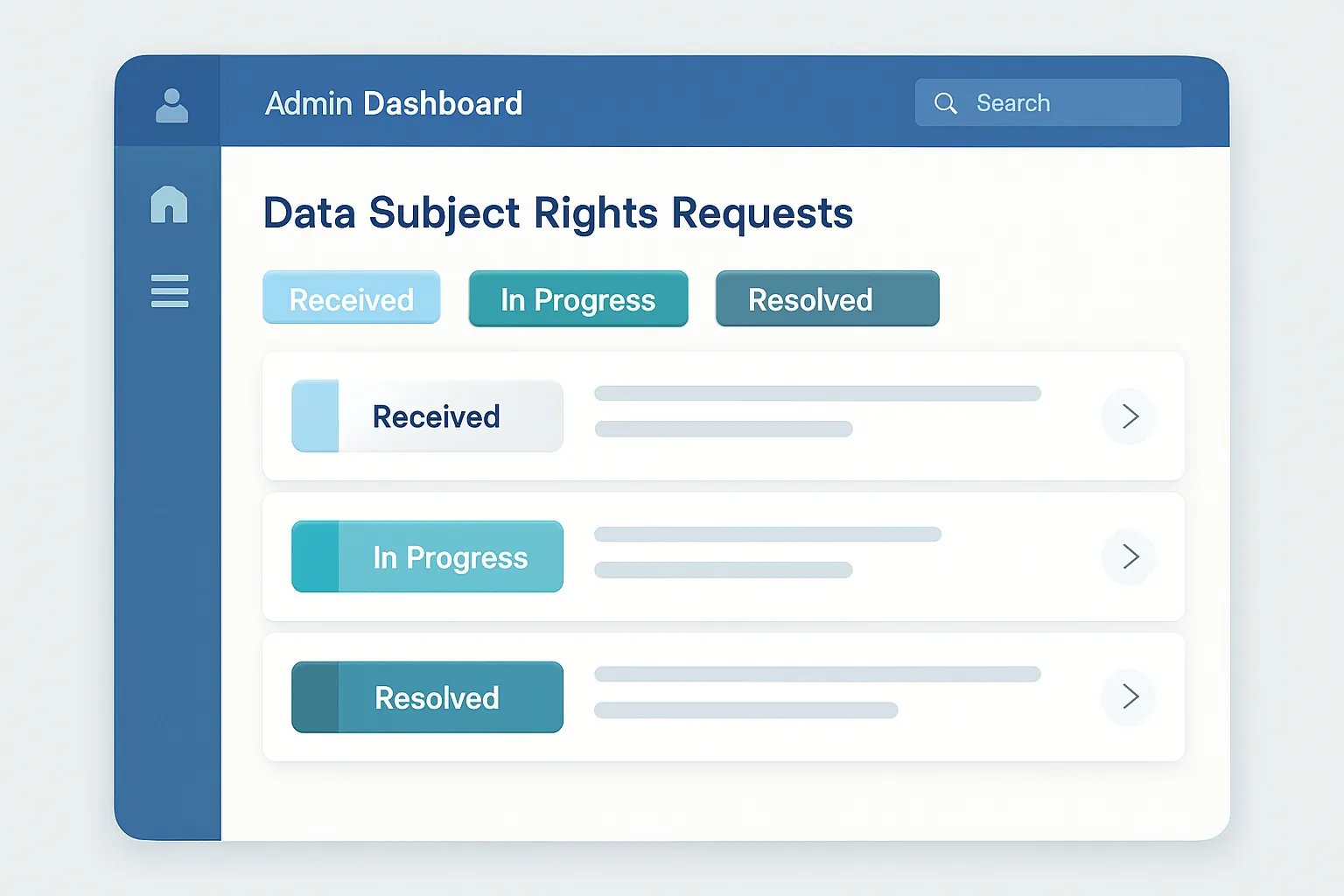
- Log the request with a date and case number, starting the legal clock automatically.
- Automatically locate every module where that person’s information lives.
- Execute the action (deliver, correct, or delete) with an audit trail of what was done and when.
Breach logging and access controls
If an incident happens, the law requires notification. Custom software keeps access and change logs that let you reconstruct exactly what happened, who did it, and which data was involved — instead of investigating blind.
Not just a large-enterprise concern
There’s a common assumption that this only matters to large corporations with a dedicated legal department. In practice, small and mid-sized businesses benefit the most from automating compliance: they don’t have a team to handle everything by hand, and a single mishandled request can turn into a formal complaint to the data protection authority.
Automating compliance isn’t a large-company luxury. It’s how a mid-sized business can comply just as well as a large one, without needing the same headcount to do it.
Questions to evaluate where you stand today
- Do you know exactly which systems hold your customers’ and employees’ personal data?
- Does your privacy notice actually reflect what your system does with that data?
- How long would it take you to respond, right now, to an ARCO rights request?
- Is there a log of who accesses sensitive information inside your company?
If any of these answers gives you pause, it’s time to review how your system is built.
At Kimo Solutions, we design custom software with data privacy compliance built in from the start — not bolted on after a scare. Want to know how exposed your company really is? Contact us for an honest assessment of where you stand.
Have a project in mind?
Get in touch →