
Electronic Invoicing and Tax Compliance: How Custom Software Prevents Fines and Headaches
Every business operating in Mexico issues invoices. Few stop to ask whether the way they do it is quietly exposing them to fines, lost cash flow, or unnecessary audits. Electronic invoicing and SAT (Mexico’s tax authority) compliance stopped being a paperwork formality years ago — they’re now a critical process that touches sales, collections, accounting, and inventory at the same time. And when that process lives across disconnected tools, errors show up fast.
The hidden cost of invoicing “by hand” (or with systems that don’t talk to each other)
Most mid-sized companies in Mexico don’t actually have an electronic-invoicing problem — they have an integration problem. They use one portal to stamp invoices, an ERP or sales system on another screen, and a spreadsheet to reconcile everything at month-end. The outcome is predictable:
- Duplicate invoices or manually re-typed data, with the risk of errors in tax ID, CFDI usage code, or payment method.
- Payment complements issued late (or never), creating inconsistencies the tax authority flags easily.
- Cancellations made outside the allowed window, because no one had a centralized view of what needed to be cancelled and when.
- Hours of accounting or admin time spent cross-checking the stamped XML against the internal system instead of analyzing the business.
None of this is a people problem. It’s the consequence of tax processes that depend on manual handoffs between systems that were never designed to talk to each other.
What compliance actually requires today
Mexico’s CFDI 4.0 standard raised the bar on how precisely invoiced data must match a client’s official tax records: exact legal name, correct tax regime, a CFDI usage code that matches the transaction. On top of that, several requirements are now standard for most growing companies:
- Payment complements (REP), mandatory whenever collection isn’t immediate.
- Bill of lading documents (carta porte), when goods are in transit.
- Stamped payroll receipts, with strict emission deadlines.
Meeting each of these manually is manageable when a company issues ten invoices a month. It becomes unsustainable at hundreds of invoices, where every inconsistency is a potential flag in the company’s tax mailbox.
How custom software fixes this at the root
The difference between “complying by double-checking everything” and “complying because the system doesn’t allow the error” comes down to building tax compliance directly into your business software, instead of treating it as a separate step. In practice, that means:
- Direct API integration with a certified stamping provider, so invoices are issued from the same system where sales orders are created — no separate portal.
- Automatic validation of tax ID and client fiscal data before stamping, preventing cancellations and re-issues down the line.
- Automatic generation of payment complements the moment a payment is recorded, instead of relying on someone remembering to do it.
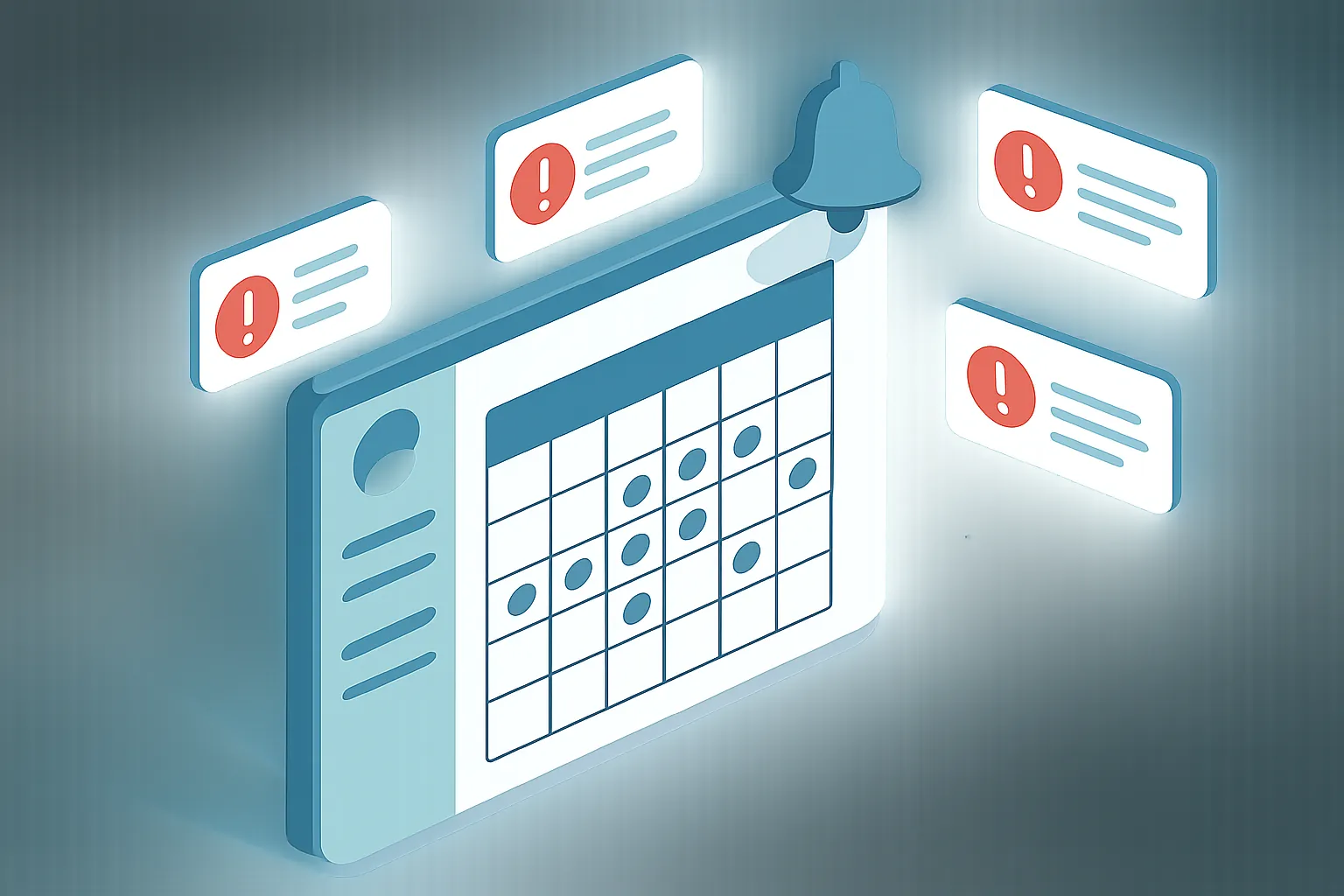
- Deadline alerts for cancellations, payroll stamping windows, or pending bills of lading, before they become a problem.
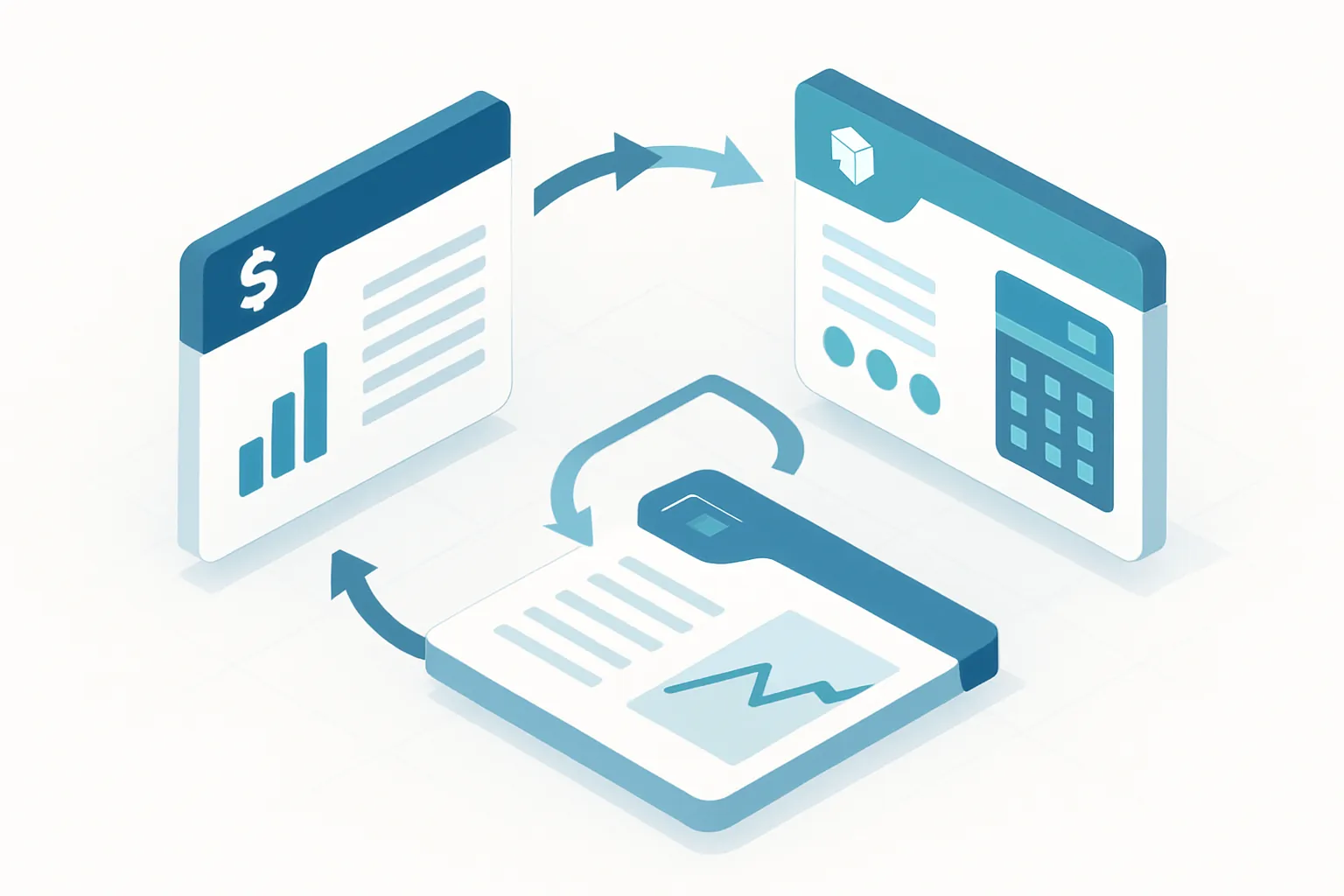
- Real-time reconciliation between invoiced, collected, and booked amounts, with no spreadsheet in the middle.
- Full traceability of every tax document, ready for any internal or external audit.
The upside goes well beyond “staying out of trouble”
Once tax compliance stops being a manual task, the impact shows up across the business:
- Fewer hours of administrative and accounting work spent fixing errors instead of analyzing results.
- Better cash flow, because payment complements and collections stay in sync instead of lagging behind.
- More reliable decisions, since financial reports are built on data validated at the source, not reconciled after the fact.
- Lower legal and reputational risk, by reducing exposure to audits or requirements triggered by avoidable inconsistencies.
Signs your company already needs this
You don’t have to wait for a notice from the tax authority to act. A few clear signs that compliance is already costing more than it looks like:
- Your accounting team spends more time reviewing invoices than analyzing finances.
- You’ve had to cancel or re-issue CFDIs due to errors a system could have prevented.
- Invoicing, sales, and inventory live in separate tools that never sync on their own.
- There’s no quick way to answer, right now, how many payment complements are still pending.
If any of this sounds familiar, the fix isn’t more manual discipline — it’s a system designed so compliance happens automatically, not as a constant effort.
At Kimo Solutions, we build custom software that integrates electronic invoicing, tax reconciliation, and core business processes into a single system — no duplicate work, no relying on anyone’s memory. Let’s talk about your operation and find out how to simplify your tax compliance for good.
Have a project in mind?
Get in touch →