
Cybersecurity in Custom Software: How to Protect Your Company's Data
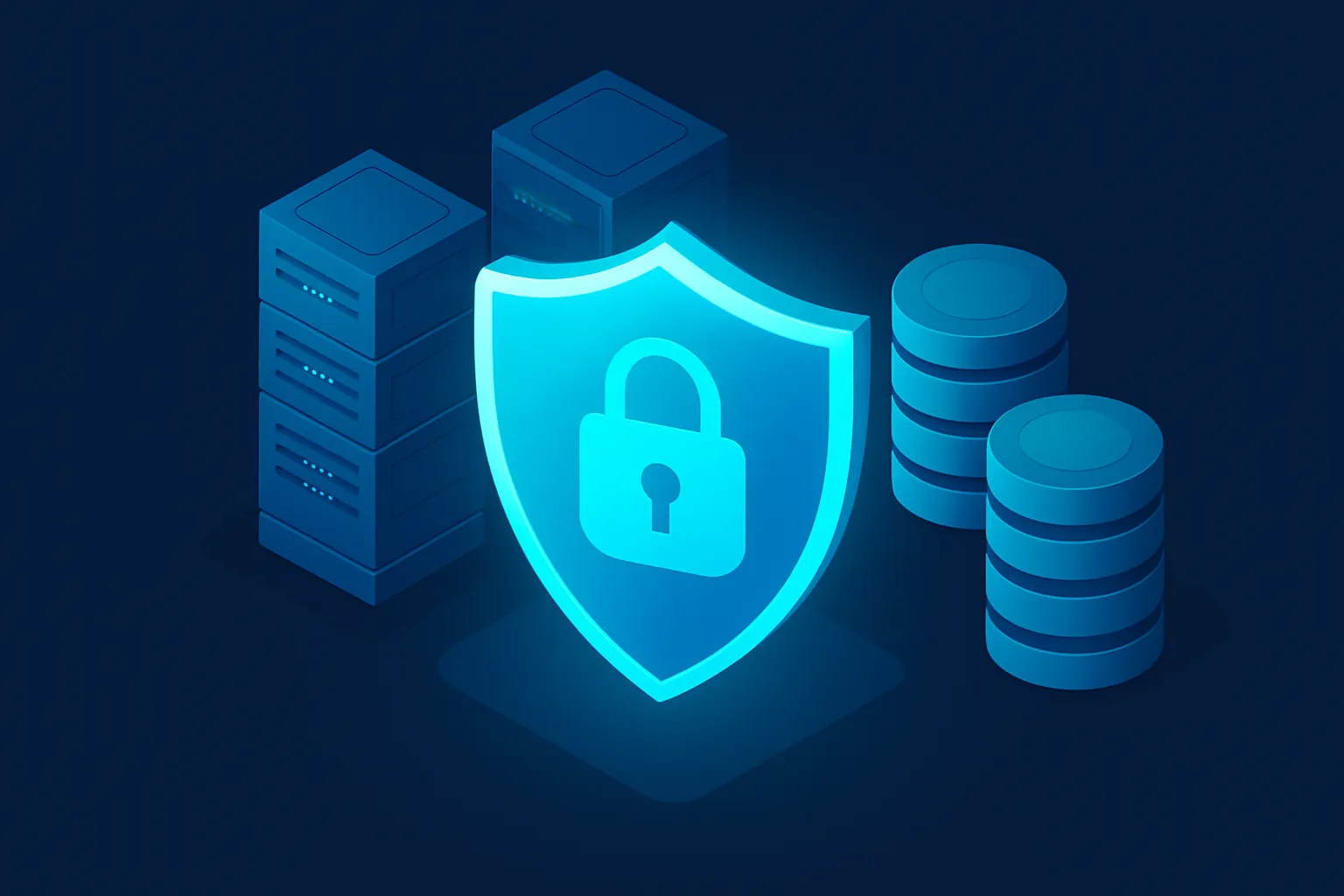
When a company decides to invest in a custom-built system, it almost always thinks first about speed, automating processes, or finally leaving spreadsheets behind. Security tends to get treated as an afterthought — something reviewed only after an incident has already happened. By then, the damage — financial, reputational, and sometimes legal — is already done.
The good news is that cybersecurity doesn’t have to be a separate project or an expensive layer bolted on at the end. When it’s considered from the software’s design stage, it’s simply part of building the system well.
Why small and mid-sized businesses are targets too
There’s a common assumption that attacks only happen to banks or large corporations. In practice, mid-sized companies are an attractive target precisely because they typically have fewer controls than a large enterprise, yet handle equally valuable data: customer information, tax records, passwords, payment details, contracts.
The most common risks we see in business systems aren’t always sophisticated attacks. More often, they’re avoidable mistakes:
- Shared passwords and access across multiple employees, with no way to track who did what.
- Unencrypted data, both at rest and while traveling between systems.
- Misconfigured permissions, where any user can see information they shouldn’t have access to.
- Outdated software, with known vulnerabilities that already have a fix available but were never applied.
Each of these is, at its core, a design decision that was made — or skipped — when the system was built.
What it means to build with security by design
At Kimo Solutions we call this security by design: instead of bolting on locks at the end, the system’s architecture is planned so that certain mistakes become nearly impossible to make. Some concrete elements:
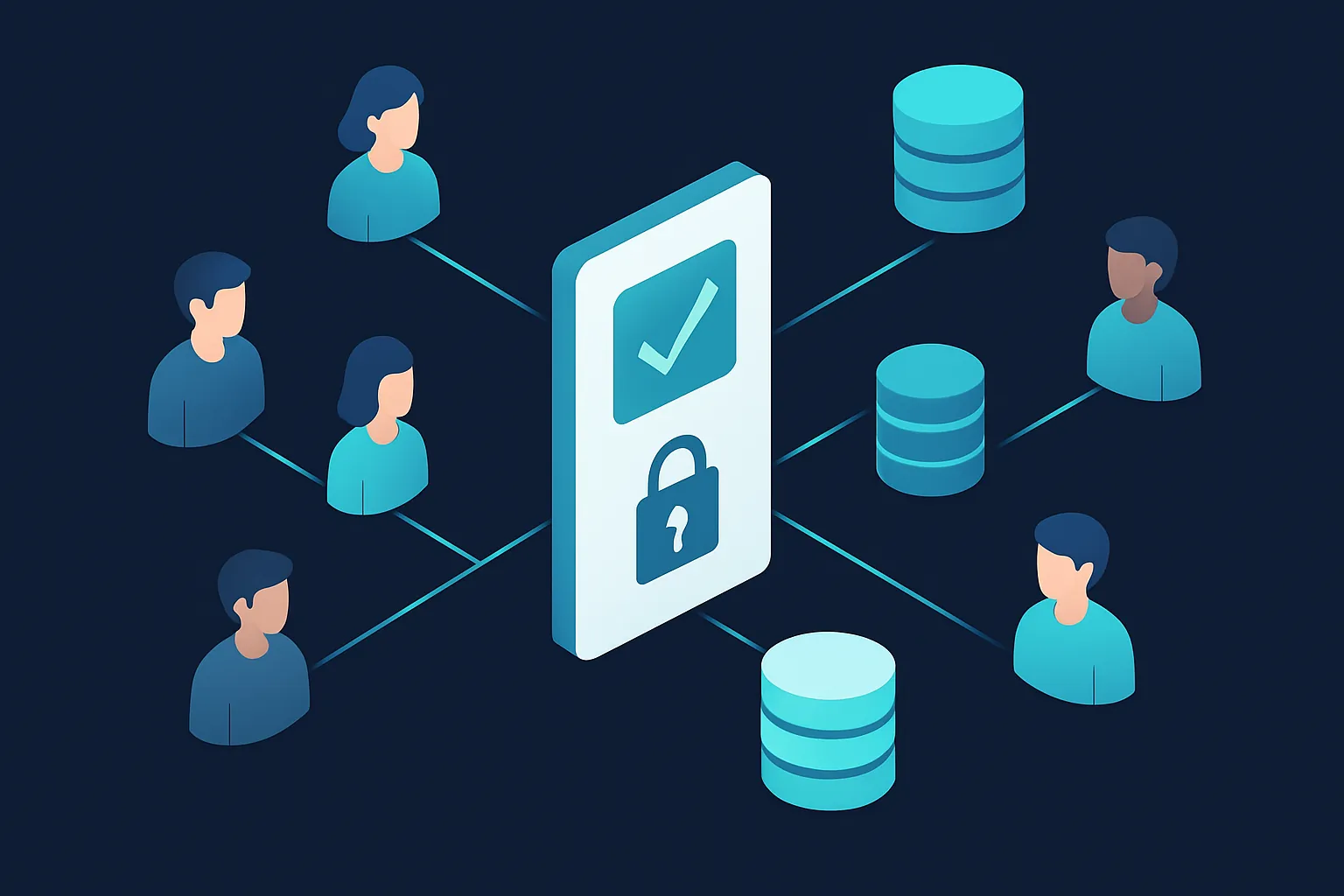
Role-based access control
Not every employee needs to see everything. A well-designed system defines what each role can see and do — sales, finance, operations, management — and enforces that boundary automatically, rather than relying on a policy nobody checks.
Encryption of sensitive data
Sensitive information (passwords, personal data, payment details) should be stored encrypted and travel encrypted between the browser, the application, and the database. That way, even if someone intercepts the data, they can’t read it.
Audit logging
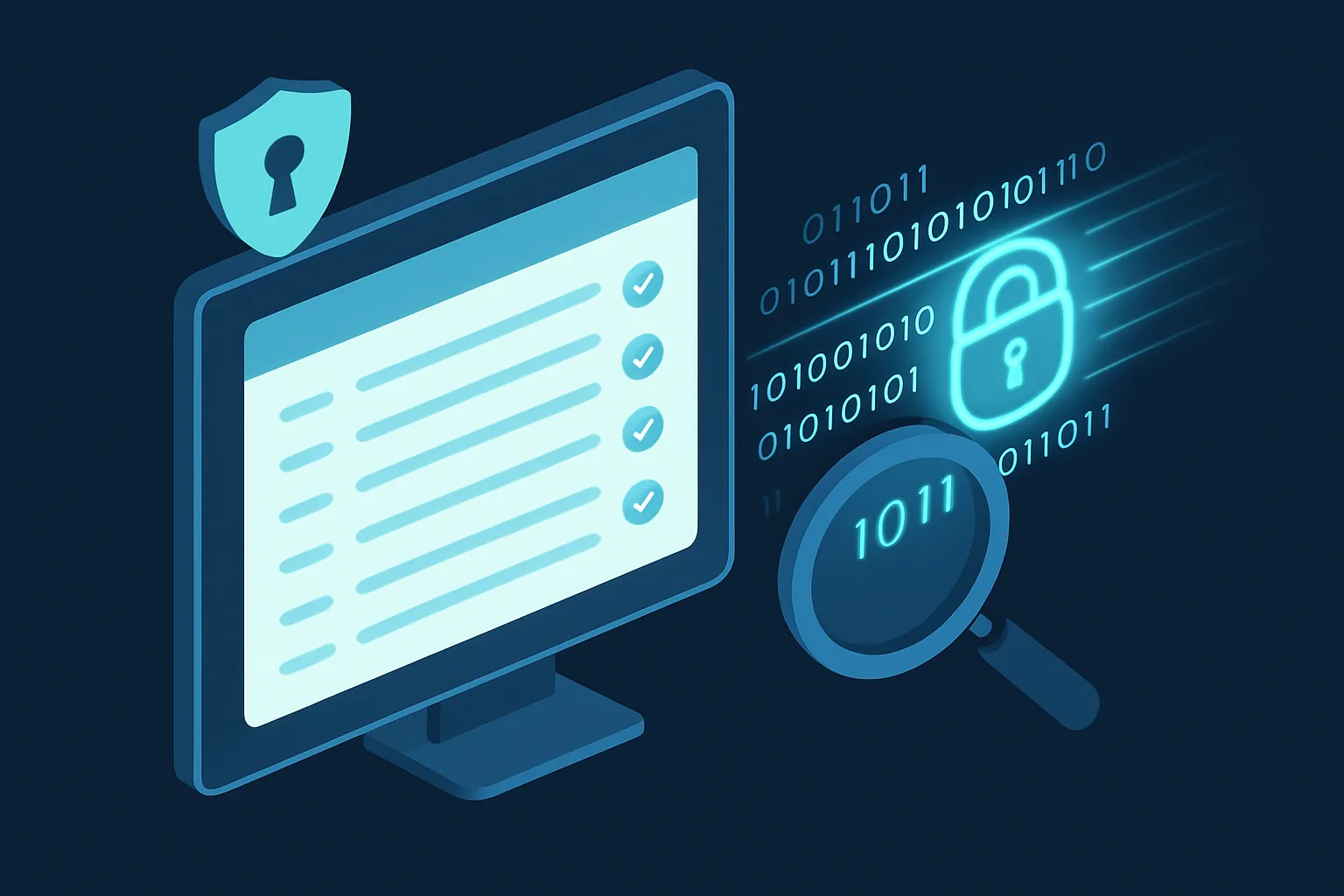
A good system keeps a record of who did what and when: who edited a contract, who exported a report, who changed a price. That log doesn’t just help detect a problem — it also discourages internal misuse.
Ongoing updates and maintenance
Software isn’t a product you deliver once and forget. The dependencies and libraries it relies on are constantly updated to fix vulnerabilities, and a system without maintenance accumulates risk over time, even if nothing looks wrong from the outside.
The cost of skipping it
A security incident rarely stays a technical problem. It involves:
- Operational cost: hours of your team’s (and outside experts’) time spent resolving the incident instead of working.
- Trust cost: customers and partners finding out their data was exposed.
- Legal cost: in Mexico, the Federal Law on Protection of Personal Data Held by Private Parties requires businesses to protect customer and employee data, with consequences if they don’t.
Compared to that cost, investing in good practices from the start of development is, almost always, the cheaper option.
Questions every company should ask its software provider
Before approving a custom software project, it’s worth asking directly:
- How is access controlled so only the right people can view or change each type of information?
- Is sensitive data stored and transmitted encrypted?
- Is there a backup and disaster-recovery plan in place?
- Who is responsible for applying security updates once the system is in production?
If your current provider doesn’t have a clear answer to these questions, it’s time to have that conversation.
At Kimo Solutions we build custom software with security integrated from the very first day of design, not patched on as an afterthought. That’s how you protect your company’s data, your customers’ data, and your peace of mind.
Want to know if your current system has security gaps? Contact us for an honest assessment of where you stand.
Have a project in mind?
Get in touch →