
Custom Wholesale Distribution Software: Orders, Sales Routes, and Inventory in One System
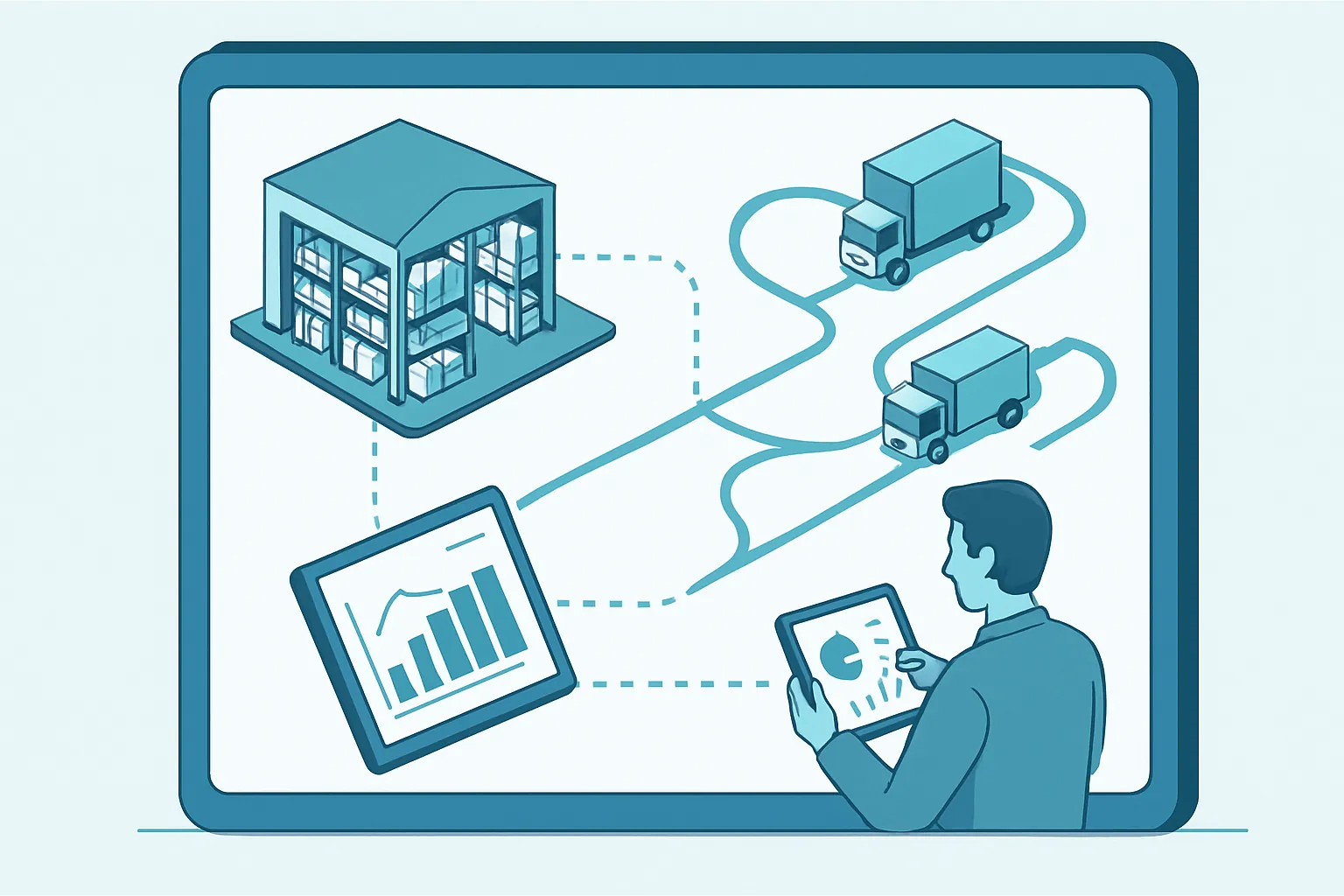
A typical wholesale distribution company runs on three pieces that rarely talk to each other: the warehouse, which knows what’s actually in stock; the sales force, which takes orders on the street or over the phone; and the back office, which invoices, collects payment, and tracks each client’s credit. When these pieces live in separate systems — or in no system at all, just notebooks, WhatsApp threads, and spreadsheets emailed around at the end of the day — errors aren’t the exception. They’re the norm.
A sales rep takes an order for stock that already ran out. The warehouse ships a different quantity than the client ordered because a handwritten note was misread. The manager finds out at month-end that a client blew past their credit limit three weeks earlier. And nobody knows, in real time, how much was sold today, which routes are underperforming, or which products are gathering dust in the warehouse.
Custom distribution software connects those three pieces — sales, warehouse, and back office — into a single platform built around how your business actually operates, not around a generic feature list nobody ever fully uses.
Signs it’s time for your own system
This problem builds up gradually, until several warning signs line up at once:
- Sales reps take orders on paper, WhatsApp, or a generic app that isn’t connected to the warehouse’s real inventory.
- Credit limits and collections per client are tracked “from memory” or on a spreadsheet updated days later.
- Fulfilling an order means someone manually checking stock levels, special prices, and active promotions.
- There’s no quick way to see which routes, reps, or zones are selling more or less than last month.
- Every new client or special price list means repeating the same manual work over and over.
If two or three of these sound familiar, the cost of operating this way — in misfilled orders, out-of-control credit, and decisions made blind — already outweighs the cost of building a system of your own.
What custom software solves for distribution companies
Order capture connected to real inventory
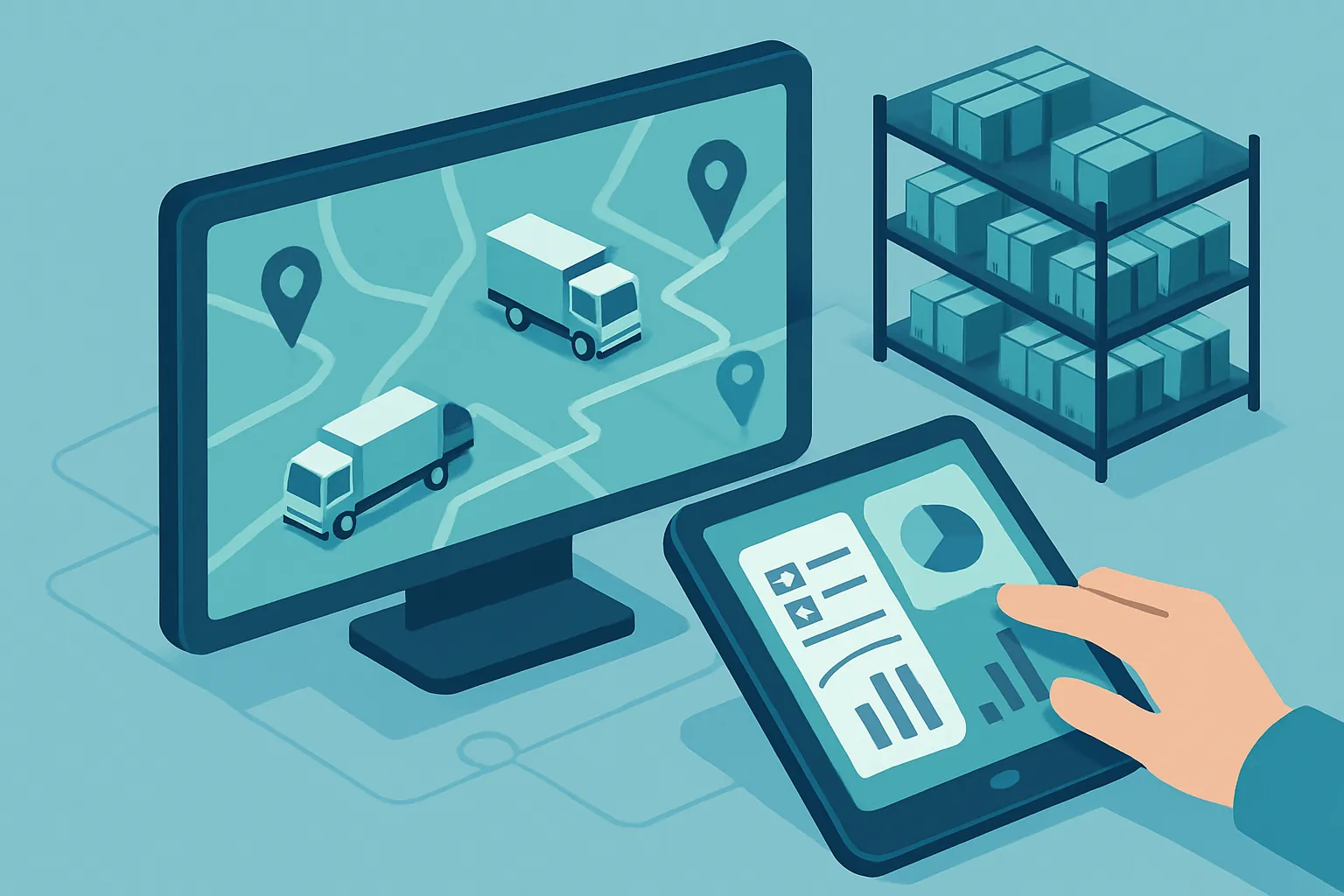
The sales rep — in the field, on the phone, or at the counter — sees real stock levels, prices, and active promotions for each client at the moment of capturing the order, not an outdated catalog. Nobody sells what’s no longer there, and the warehouse receives the exact order, with no room for misinterpretation.
Per-client pricing and terms, without manual work
Special price lists, volume discounts, credit terms, and payment limits are configured once per client and applied automatically on every order. This eliminates errors from charging a different price than what was agreed and reduces friction with your biggest accounts.
Real-time credit control and collections
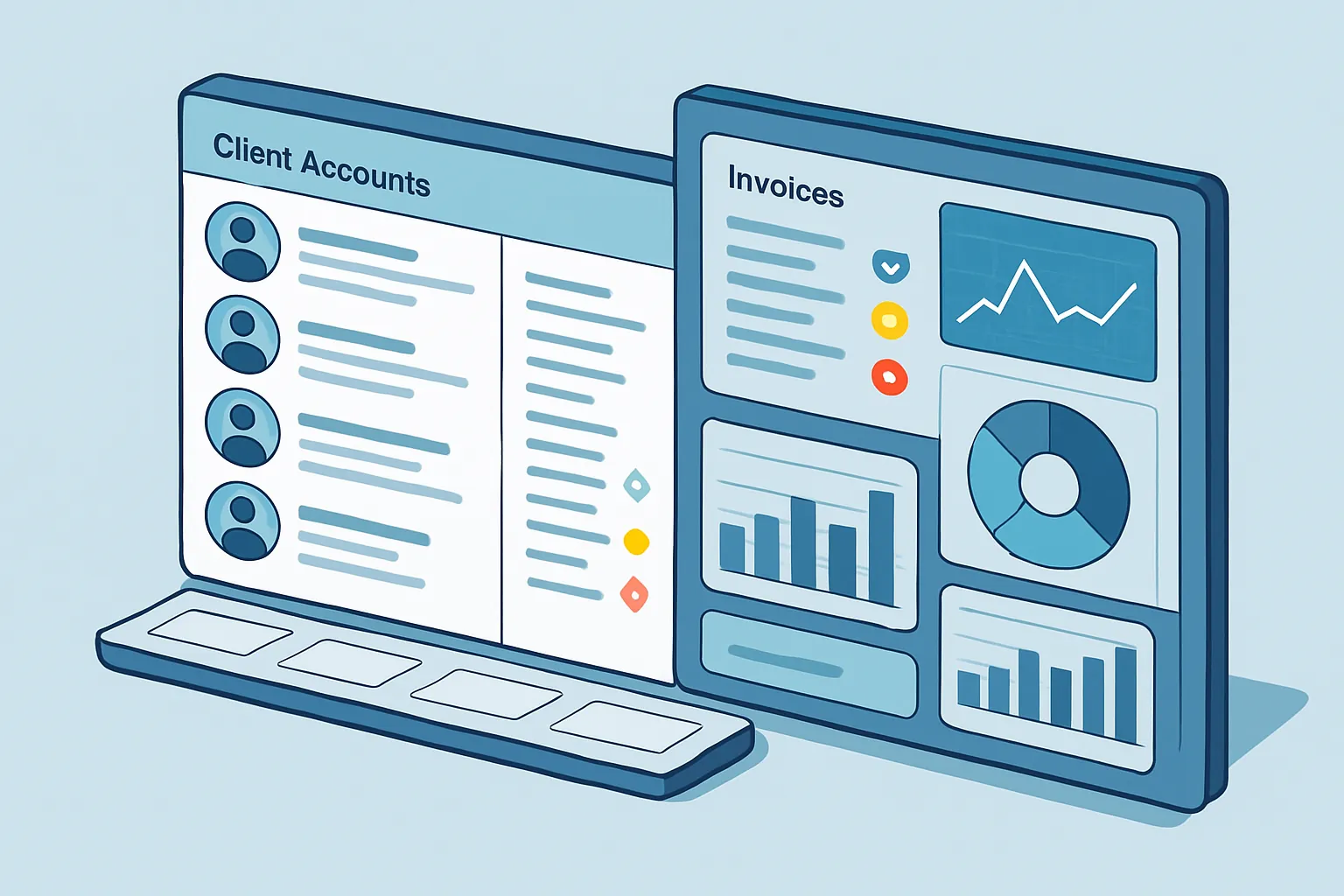
The system warns before a client exceeds their credit limit, not after. The back office sees, in one place, which clients are current, which have overdue invoices, and how much each route represents in accounts receivable.
Visibility into routes, reps, and product turnover
A dashboard shows which routes and reps are hitting their targets, which products turn over well, and which are sitting in the warehouse. Purchasing and sales decisions stop being based on gut feeling and start being based on data updated at the close of every day.
Integration with e-invoicing and accounting systems
A fulfilled order automatically becomes a tax-compliant invoice, with no one re-entering the same data into a separate system. This reduces billing errors and speeds up the collection cycle.
The real return on investment
The value isn’t in the technology itself — it’s in what stops getting lost:
- Fewer misfilled or returned orders, because reps see real stock levels at the moment of selling.
- Credit that stays under control, because limits are enforced automatically, not reviewed at month-end.
- Fewer labor-hours spent reconciling orders, building sales reports by hand, or chasing payments.
- The ability to grow routes and clients without growing the back-office team proportionally, because the system absorbs the repetitive work.
For a distributor moving hundreds of orders a month, these savings add up to several times the system’s cost within the first year, on top of reducing the kind of errors that cost you clients today.
This isn’t generic software — it’s your operation
Every distribution company has its own quirks: product types, specific routes, client-by-client credit terms, return policies, seasonal promotions. Custom software is built around those quirks, not the other way around. Your team doesn’t have to adapt how it works to fit generic software — the software adapts to how you already operate, and improves what’s currently done by hand.
If your distribution business is already feeling the weight of growing without more visibility or control, it’s time to talk about what a system built specifically for how you operate would look like.
Want to see what a system like this would look like for your distribution business? Contact us and let’s talk about your current operation and how fast we could get it digitized.
Have a project in mind?
Get in touch →