
Custom Restaurant Management Software: Orders, Inventory, and Reservations in One System
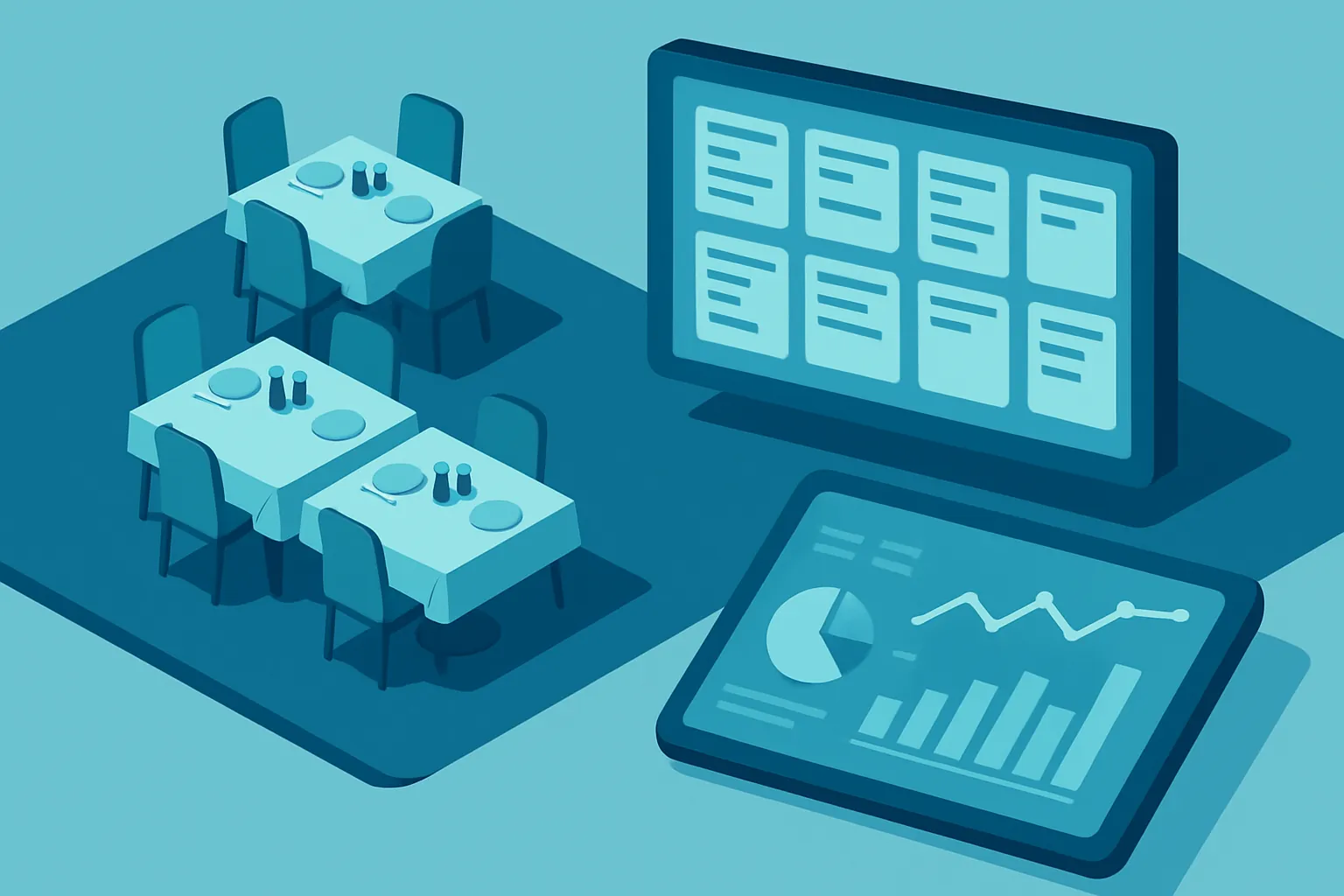
A successful restaurant runs three engines at once: the dining floor, the kitchen, and inventory. The problem is that most food and beverage businesses run them with tools that don’t talk to each other — a generic point-of-sale app, a notebook for tracking supplies, and a group chat for reservations. The result is predictable: lost orders, dishes canceled because an ingredient that “showed up in the system” wasn’t actually there, and an owner who only discovers the losses at the end-of-month cash count.
A custom system solves this by connecting the entire operational flow on a single platform: from the moment a server takes an order to the moment the dish leaves the kitchen and the ingredient is automatically deducted from inventory.
The most common bottlenecks
Before automating anything, it’s worth naming where the money actually leaks:
- Manual or paper-based order tickets. They get lost, misread in the kitchen, and turn into wrong or duplicated dishes.
- Inventory disconnected from sales. No one knows in real time how much of an ingredient is left — until it runs out, or until it spoils from overstock.
- Reservations by phone or social media. Without a centralized calendar, it’s easy to overbook or leave tables empty during peak hours.
- Reports that arrive too late. Without real-time data, purchasing and menu decisions get made by gut feeling instead of actual sales information.
Each of these looks manageable on its own. Together, they represent a meaningful share of a restaurant’s profit that never gets recovered.
What a custom restaurant management system includes
1. Digital orders connected to the kitchen
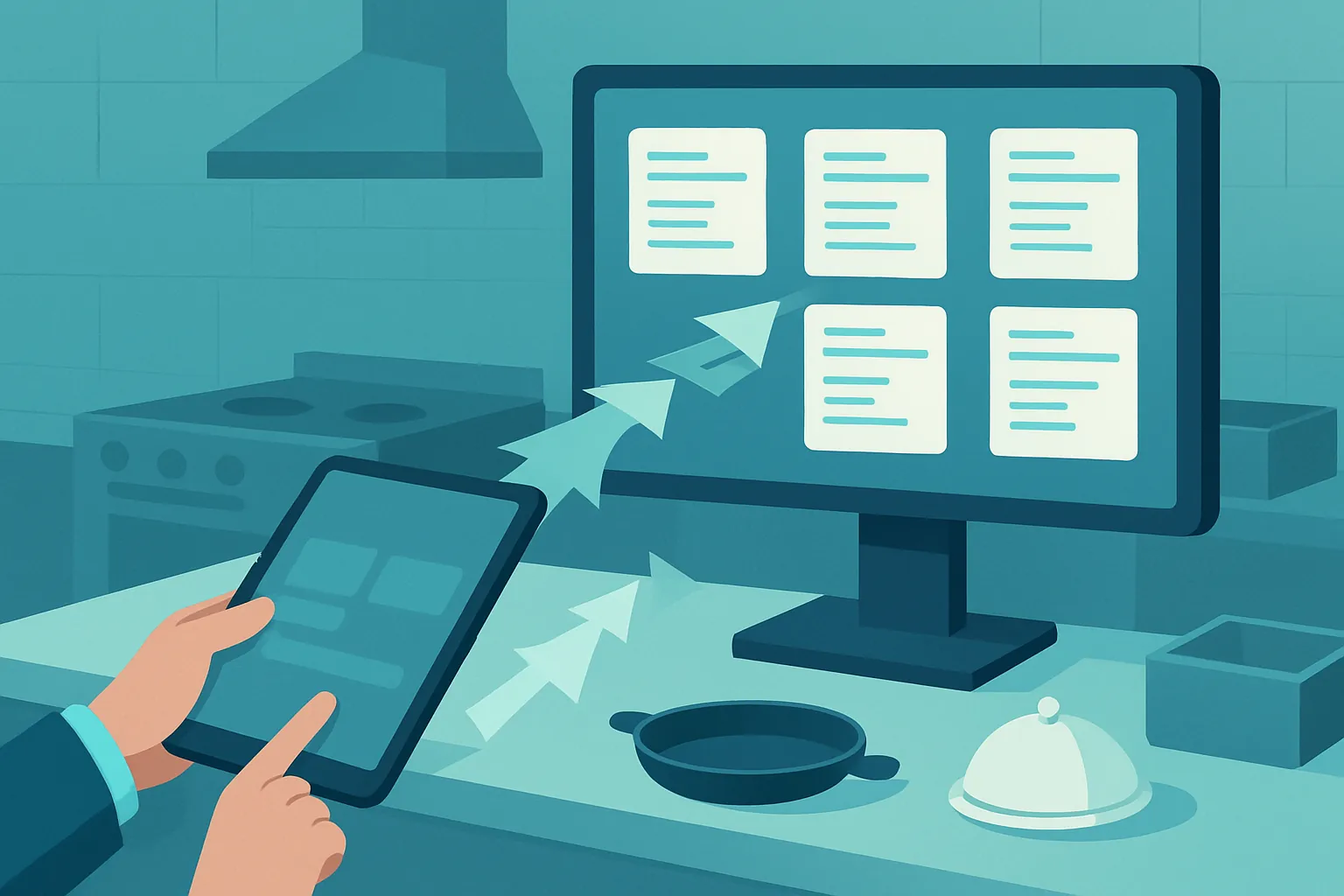
The server captures the order from a tablet or POS terminal, and it lands instantly on a kitchen display system (KDS) organized by station — grill, sauté, drinks — with visible wait times. This eliminates transcription errors and speeds up service times, which customers absolutely notice.
2. Inventory that deducts itself
Every dish sold has a standard recipe tied to specific ingredients. When an order is sold, the system automatically deducts the ingredients from inventory. This makes it possible to:
- Know in real time which ingredients are about to run out.
- Calculate the actual cost per dish and compare it against the selling price.
- Trigger automatic restocking alerts before running out of a key ingredient.
3. Reservations and table control
A centralized reservations module — integrable with the WhatsApp Business API or the restaurant’s website — prevents overbooking and shows the status of every table: occupied, needs cleaning, available. For restaurants with multiple locations, this is managed from a single dashboard.
4. Real-time reporting and financial control
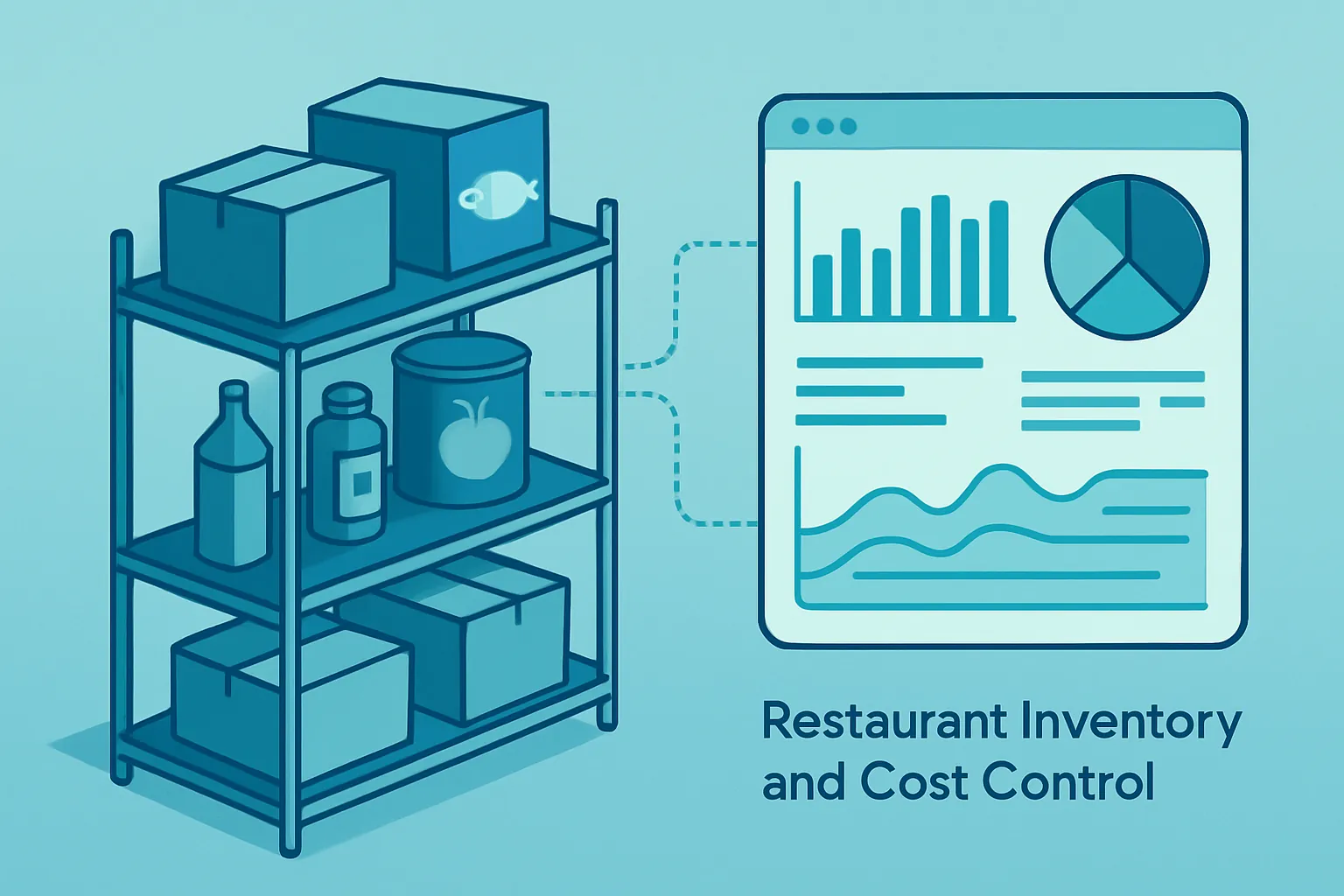
Instead of waiting for the end-of-day cash count, the owner or manager sees on a dashboard the day’s sales, the most profitable dish, peak hours, and the real margin by menu category — information that today usually lives scattered across several apps or, worse, doesn’t exist anywhere at all.
Why custom instead of an off-the-shelf solution
Generic restaurant POS platforms charge monthly licenses per terminal, limit integrations to whatever their “app store” supports, and rarely adapt to specific operations like a central kitchen supplying multiple locations, franchise models, or business-specific promotions.
A custom build:
- Adapts to your actual operation, not the other way around.
- Integrates what you already use — suppliers, WhatsApp, electronic invoicing — without depending on a third party to support it.
- Grows with you: adding a new location, a proprietary delivery module, or a loyalty program doesn’t depend on someone else’s subscription plan.
- Removes recurring per-terminal or per-transaction fees, which add up to a considerable cost at scale over time.
How to get started
This isn’t about digitizing everything at once. The most effective path is:
- Map the current flow — from the moment a customer sits down to the moment they pay — and identify where time or money is being lost.
- Prioritize the module with the highest immediate impact (usually inventory or order taking).
- Build and integrate incrementally, validating with the floor team before rolling it out across all locations.
A restaurant that controls its orders, inventory, and reservations from a single system doesn’t just reduce errors: it frees up the owner’s and manager’s time to focus on service and growth, instead of putting out operational fires every day.
Is your restaurant or chain still running on tools that don’t talk to each other? At Kimo Solutions, we design custom systems for the food and beverage industry. Let’s talk about your operation.
Have a project in mind?
Get in touch →