
Custom Property Management Software: How to Control Rent, Maintenance, and Collections in One Place
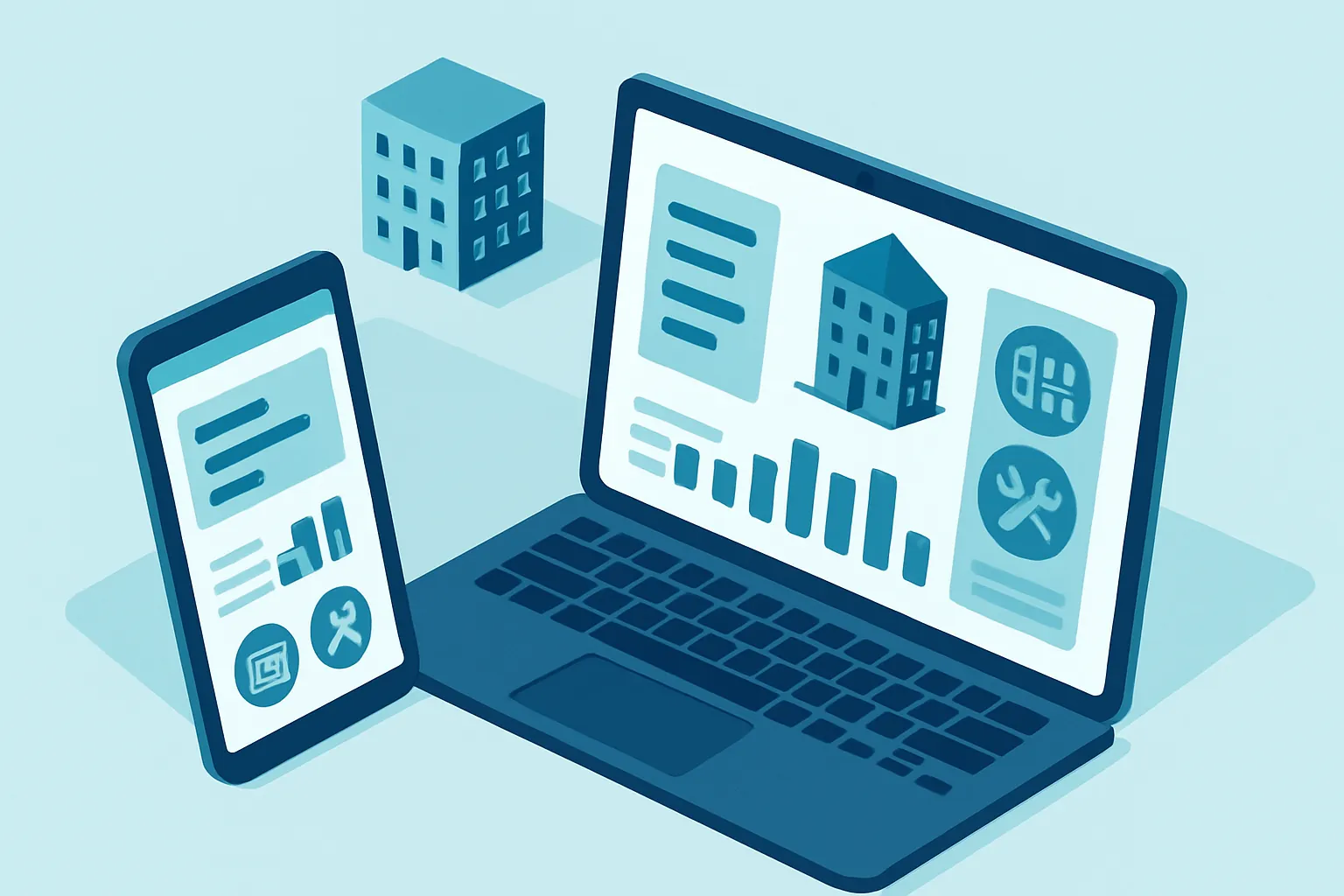
Ask whoever manages a property portfolio how many lease contracts expire this month. If answering that means digging through folders, a different spreadsheet per building, and WhatsApp groups with tenants, the problem isn’t the operation itself — it’s that no system controls it. And in real estate, an expired lease that nobody renewed on time, or a late payment nobody followed up on, isn’t a small detail. It’s money walking out the door.
Property management companies, developers with units for rent, and businesses with offices or retail locations across several sites tend to run on the same mix of disconnected tools: a spreadsheet for each unit’s status, WhatsApp for reporting leaks or electrical failures, and phone calls to chase overdue rent. That works fine with five or ten units. With fifty, a hundred, or several buildings, the model collapses — and every month it stays broken costs real money in uncollected rent, reactive maintenance, and wasted administrative time.
Signs you already need it
These symptoms repeat across property management firms, real estate developers, and companies with portfolios of offices or retail space:
- Nobody knows the portfolio’s real status in real time: finding out how many units are occupied, vacant, or behind on payment means calling around or checking several different files.
- Reactive, not proactive, collections: payment reminders depend on someone remembering to send a message, instead of firing automatically before the due date.
- Maintenance with no traceability: failure reports come in over WhatsApp, get lost in the chat, and nobody knows how long a repair took or what it cost.
- Contracts and renewal dates living in one person’s head: if that person gets sick or leaves, nobody else knows which contract expires when or what renewal clauses apply.
- Generic tools that don’t fit: commercial property management platforms charge per unit, are built for the U.S. market, and don’t handle Mexican leases, currency, or tax requirements well.
For a small portfolio, a well-kept spreadsheet can be enough. Once there are dozens of units, several buildings, or commercial tenants with complex contracts, that model breaks on its own.
Why off-the-shelf platforms fall short
Property management solutions on the market handle the basics well: a unit directory, a payment calendar, a maintenance request form. The problem shows up when your operation needs something more specific:
- Rent invoicing that connects directly to your accounting system and generates the right tax documents, without manual entry.
- Rent increase calculations that follow the exact formula in your contracts (inflation index, fixed percentage, annual review) instead of a generic model.
- Occupancy and profitability reports per building formatted for your board or investors, not the standard dashboard of a foreign platform.
- A maintenance workflow that automatically assigns the right vendor based on failure type and building, and tracks accumulated cost per unit.
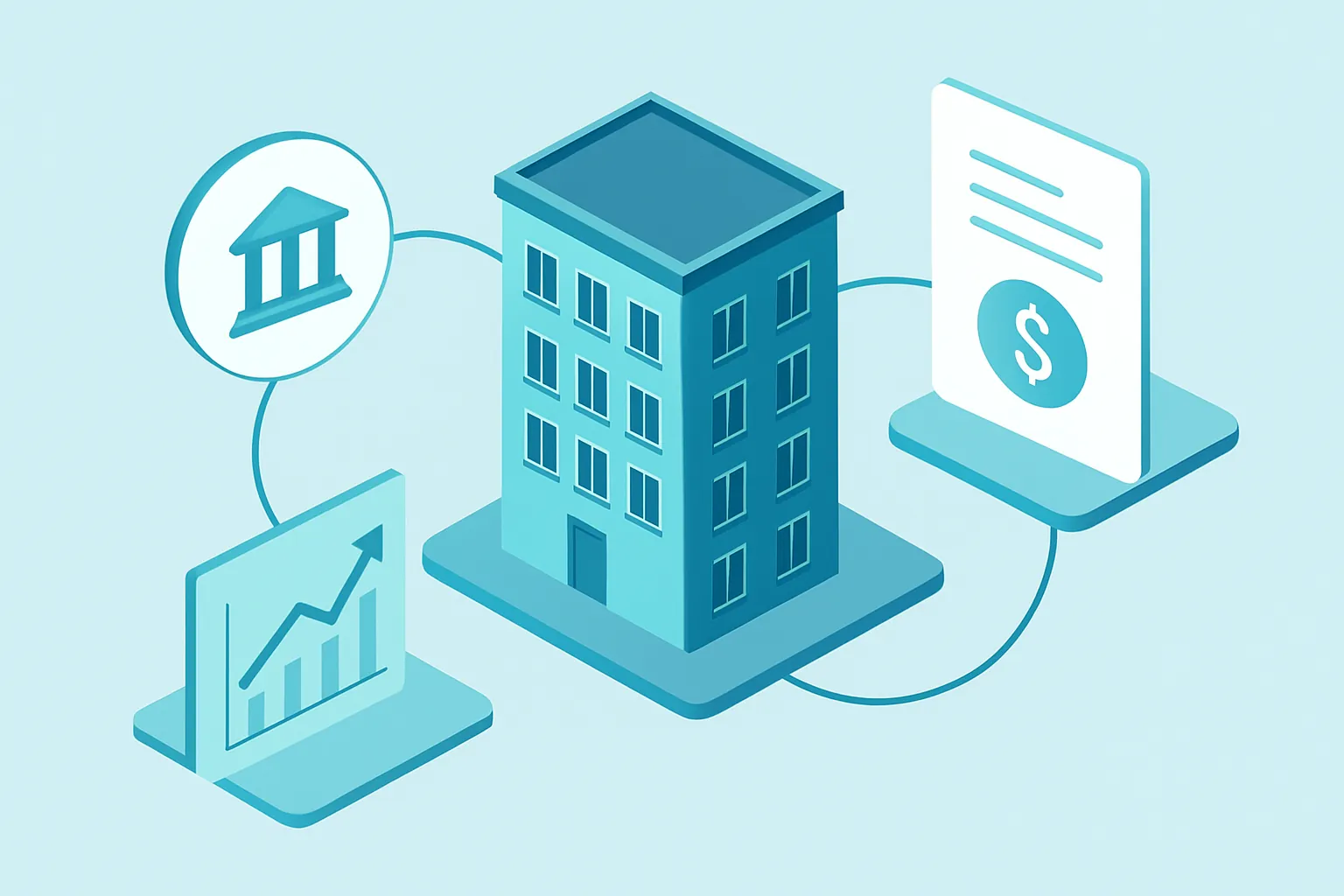
When each of those pieces lives in a different tool — or in one person’s head — the whole operation depends on nothing going wrong. A custom system integrates collections, maintenance, and contracts as one piece of your software architecture.
What a custom property management system should include
Contract and renewal control
Automatic alerts before a lease expires, with renewal terms and rent increases already calculated, so no negotiation gets left to the last minute.
Automated collections
Payment reminders sent before the due date, automatic reconciliation of received payments, and immediate visibility into which units are behind — without relying on phone calls.
Maintenance management with evidence
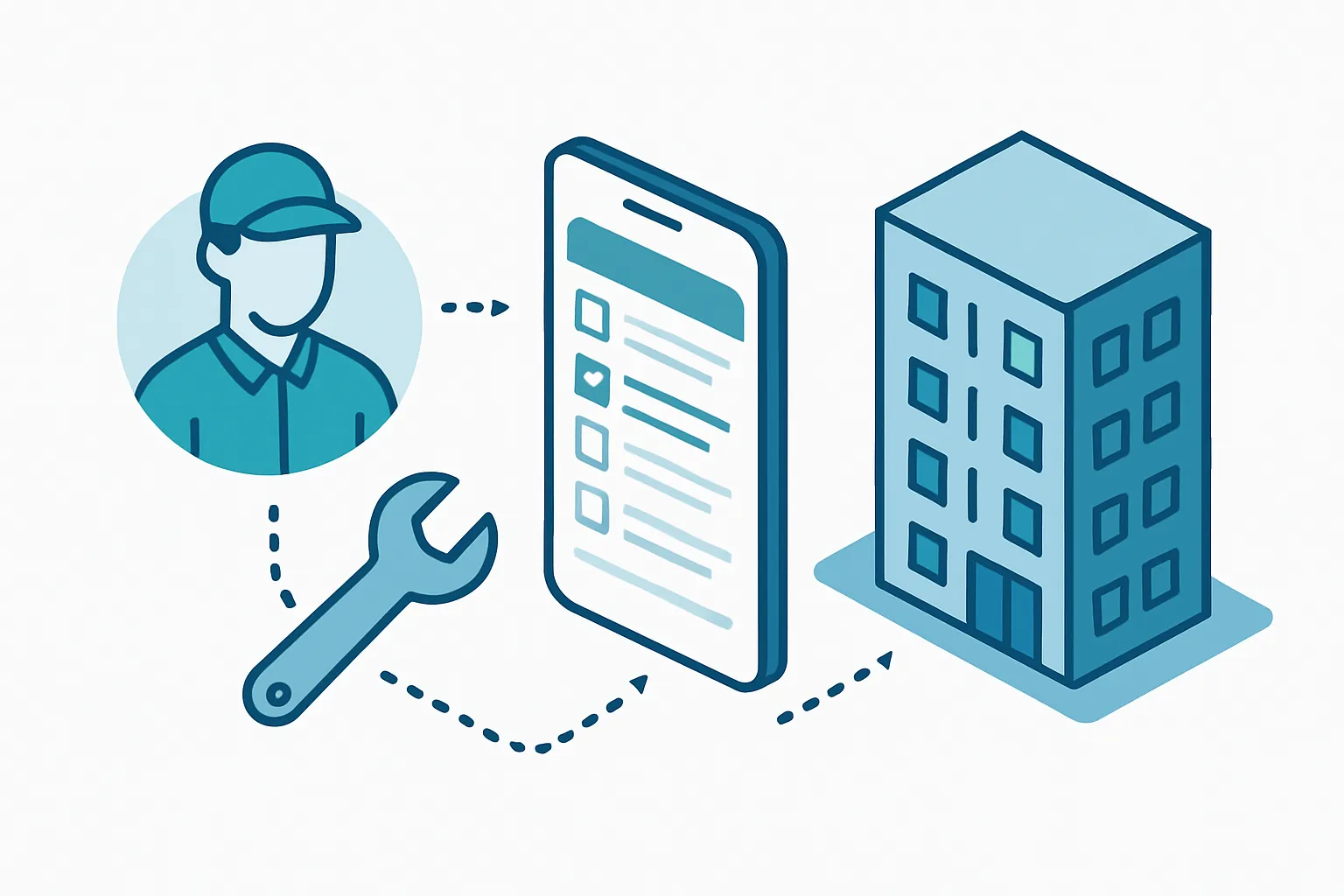
Failure reports with photos, assignment to the right vendor, resolution-time tracking, and accumulated cost per unit — information that today gets lost in a WhatsApp chat.
Profitability reports by property
Occupancy, income, maintenance expenses, and net profitability per building or unit, calculated automatically and ready to present to partners or investors.
The return isn’t just administrative order
Yes, no longer wasting time hunting for information across loose spreadsheets already justifies the investment. But the bigger benefit is usually different: collecting rent on time and running preventive rather than reactive maintenance directly improves portfolio profitability. An extra month of vacancy, a late payment nobody followed up on, or a repair that turned into an emergency because it wasn’t caught in time are costs a well-built system reduces consistently, month after month.
Before paying more per-unit licenses to a foreign platform that will never quite fit your contracts, your accounting, or how you actually operate, it’s worth evaluating whether a system built around your portfolio ends up being, in the medium term, the more profitable choice — and the only one that gives you real control.
Does your property portfolio need a system that speaks the same language as your operation? Let’s talk about your project and figure out together whether it’s worth building it custom.
Have a project in mind?
Get in touch →