
Custom Procurement Software: How to Control Vendors, Quotes, and Approvals
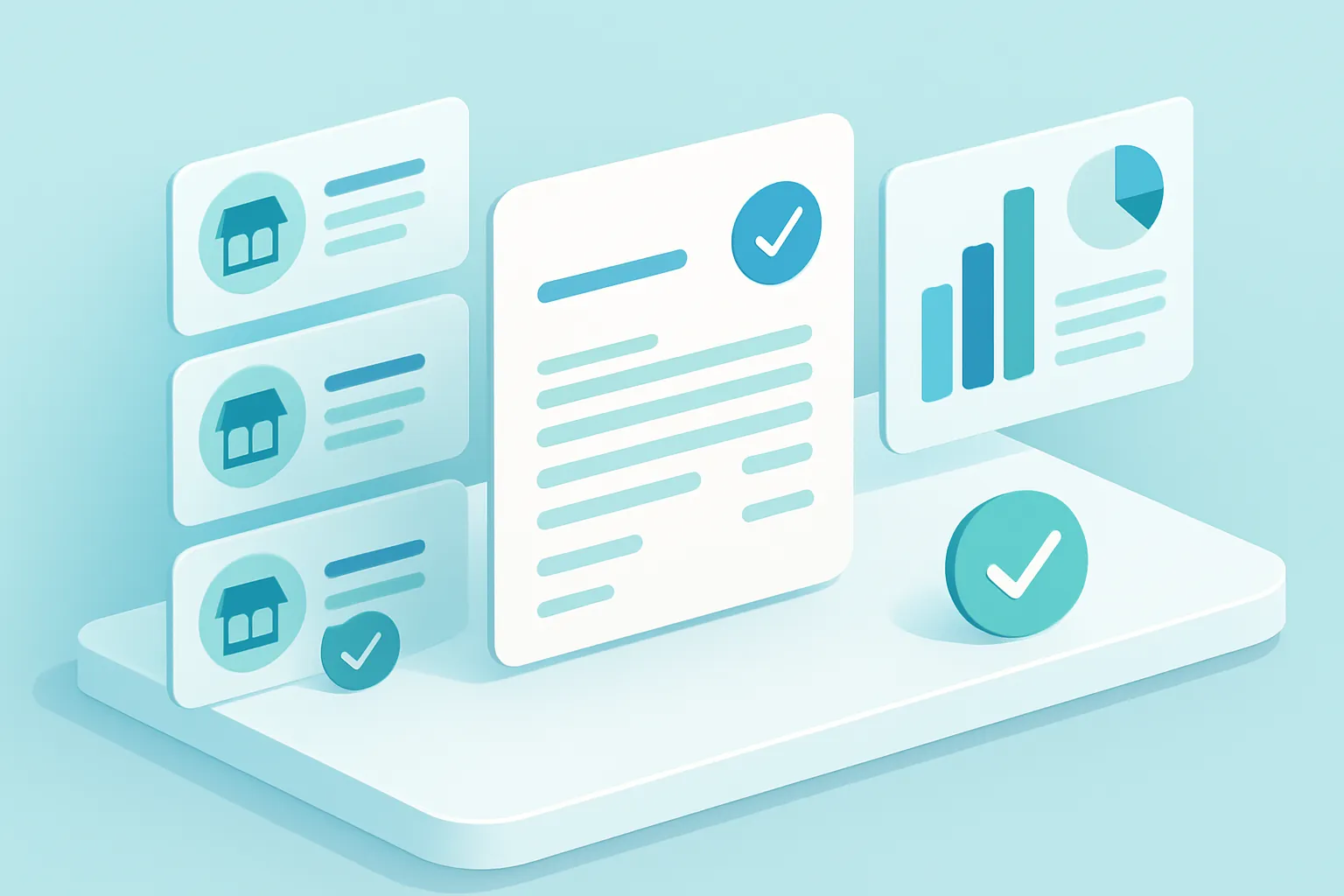
A plant manager needs a part urgently. He sends an email, nobody replies in time, so he calls the usual vendor directly — no price comparison, no formal purchase order — and pays whatever it takes to keep the line running. Weeks later, when the invoice arrives, nobody in finance is quite sure which budget it belongs to or who approved the purchase.
This scene, with small variations, repeats across most companies still managing purchasing through email, WhatsApp, and scattered spreadsheets. The problem isn’t a lack of discipline — it’s that the process itself has no structure.
Why informal purchasing gets expensive
When there’s no system guiding the process end to end, the same symptoms show up across almost any industry:
- Emergency purchases at inflated prices, because nothing was planned in advance.
- Vendors that never get compared, meaning the company overpays out of habit rather than choice.
- Informal approvals — a quick “go ahead, buy it” over chat — with no record and no clear owner.
- Zero spend visibility until the statement arrives and it’s too late to fix anything.
None of these problems show up as one big, obvious number. They accumulate across hundreds of small decisions, month after month, which is exactly why they rarely get fixed in time.
What a custom procurement system actually is
A custom procurement system digitalizes the entire cycle — from the moment someone identifies a need to when the vendor delivers and the invoice gets paid — built around how your company actually operates, not a generic textbook workflow.
Its core pieces usually include:
- Digital purchase requests, capturing detail, urgency, and the correct cost center from the very first step.
- Quote comparison across multiple vendors in one place, with a history of past pricing.
- Configurable approval flows, based on amount, department, or spend category, without depending on someone being available on chat.
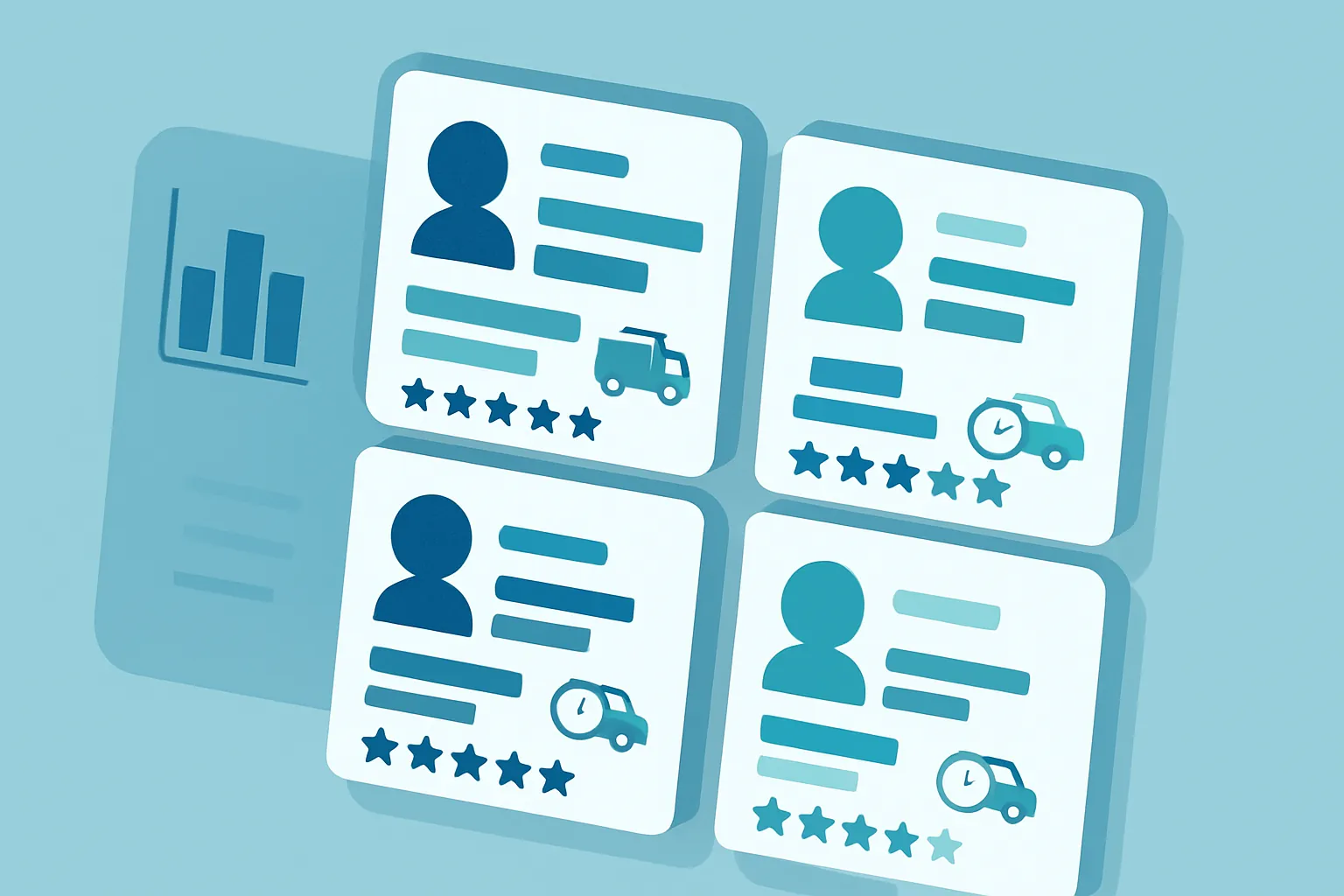
- A vendor catalog with performance tracking: delivery times, quality, compliance.
- Full traceability: who requested, who approved, which vendor, and at what cost — all in a single history.
Why “custom” beats a generic procurement module
Many off-the-shelf procurement systems assume a standard approval flow, predefined spend categories, and one way of working. That’s fine for simple companies, but it turns into a straitjacket the moment your operation has its own rules: different approval levels per branch, vendors that only apply to certain plants, or the need to connect purchasing with the inventory and maintenance systems you already run.
A custom-built system adapts to your real operation:
- It reflects your approval structure exactly as it exists today, exceptions included.
- It integrates with inventory, maintenance, or the ERP you already have, without duplicating data entry.
- It grows with the company: adding a new branch or spend category doesn’t mean reconfiguring everything from scratch.
- It doesn’t charge licenses for modules you’ll never use.
From request to purchase order: the full flow
The logic behind a good procurement system is straightforward: someone submits a request, the system automatically routes it to the right approver based on amount and department, the approval is logged with a date and owner, and once accepted it generates the purchase order that goes straight to the vendor — no email chain to lose track of.
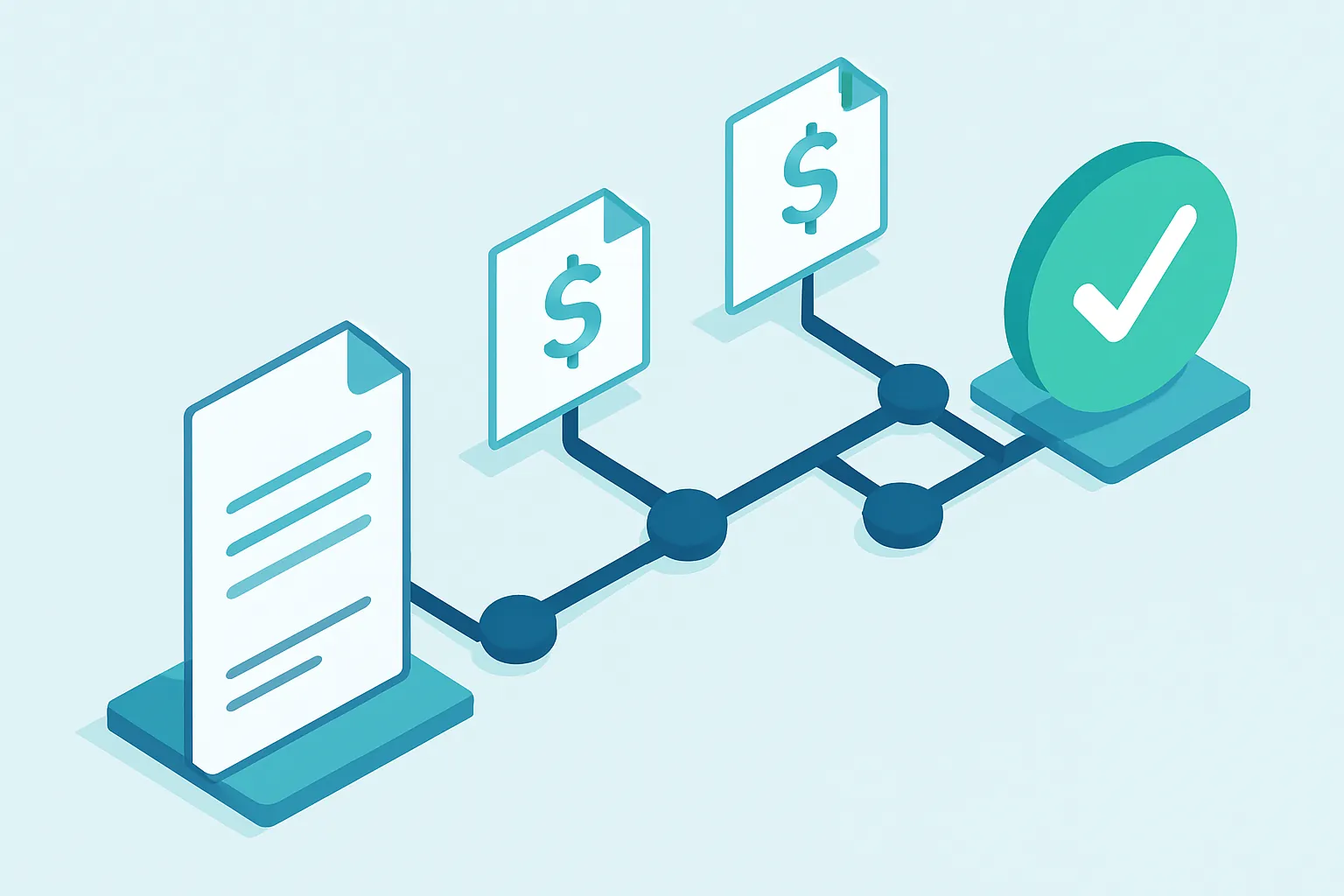
That same digitized flow becomes the source of truth for audits, accounting close, and future vendor negotiations, because the entire history is documented in one place.
What kind of return to expect
Companies that move from informal purchasing to a structured system typically see measurable results within a few months:
- Fewer emergency purchases, because needs are planned ahead of time.
- Real savings from systematically comparing quotes instead of buying out of habit.
- Faster approvals, since the digital flow removes bottlenecks caused by lost emails.
- Full spend visibility, with reports ready for finance at any time — not just at month’s close.
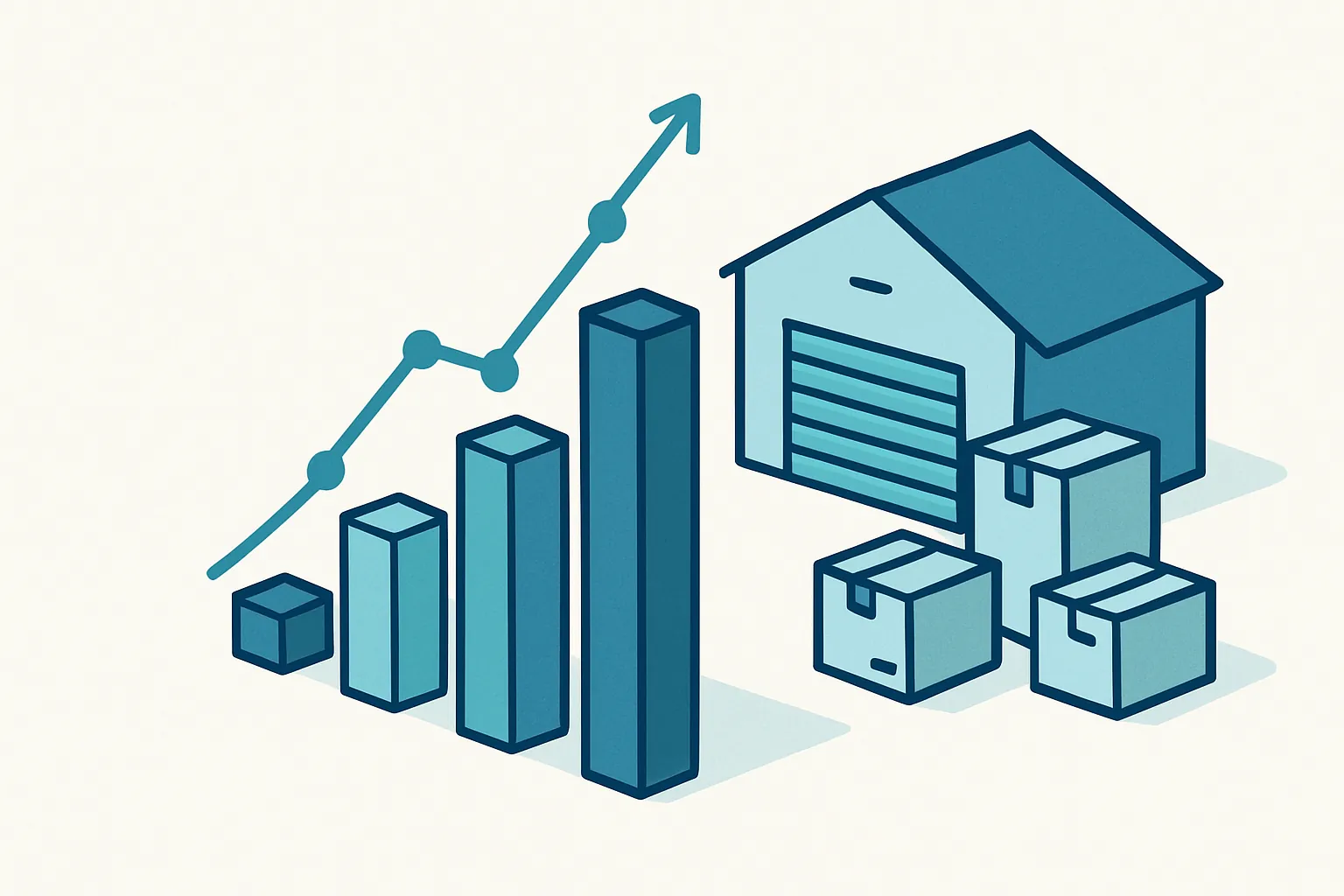
A good procurement system doesn’t slow the company down with bureaucracy — it frees it from the improvised decisions that, added up, cost far more than the time it takes to ask for a second quote.
How to get started
You don’t need to digitalize every purchasing category at once. The most practical path is usually: identify the highest-spend or highest-risk categories, map how approvals actually happen today (not what the manual says), and build a system that automates that flow from day one, with room to add vendors, integrations, and reporting later.
At Kimo Solutions, we design custom procurement systems connected to your real operation. If you’d like to talk about what that could look like for your company, get in touch.
Have a project in mind?
Get in touch →