
Custom Private Security Company Software: Guard Shifts, Patrols, and Reports in One System
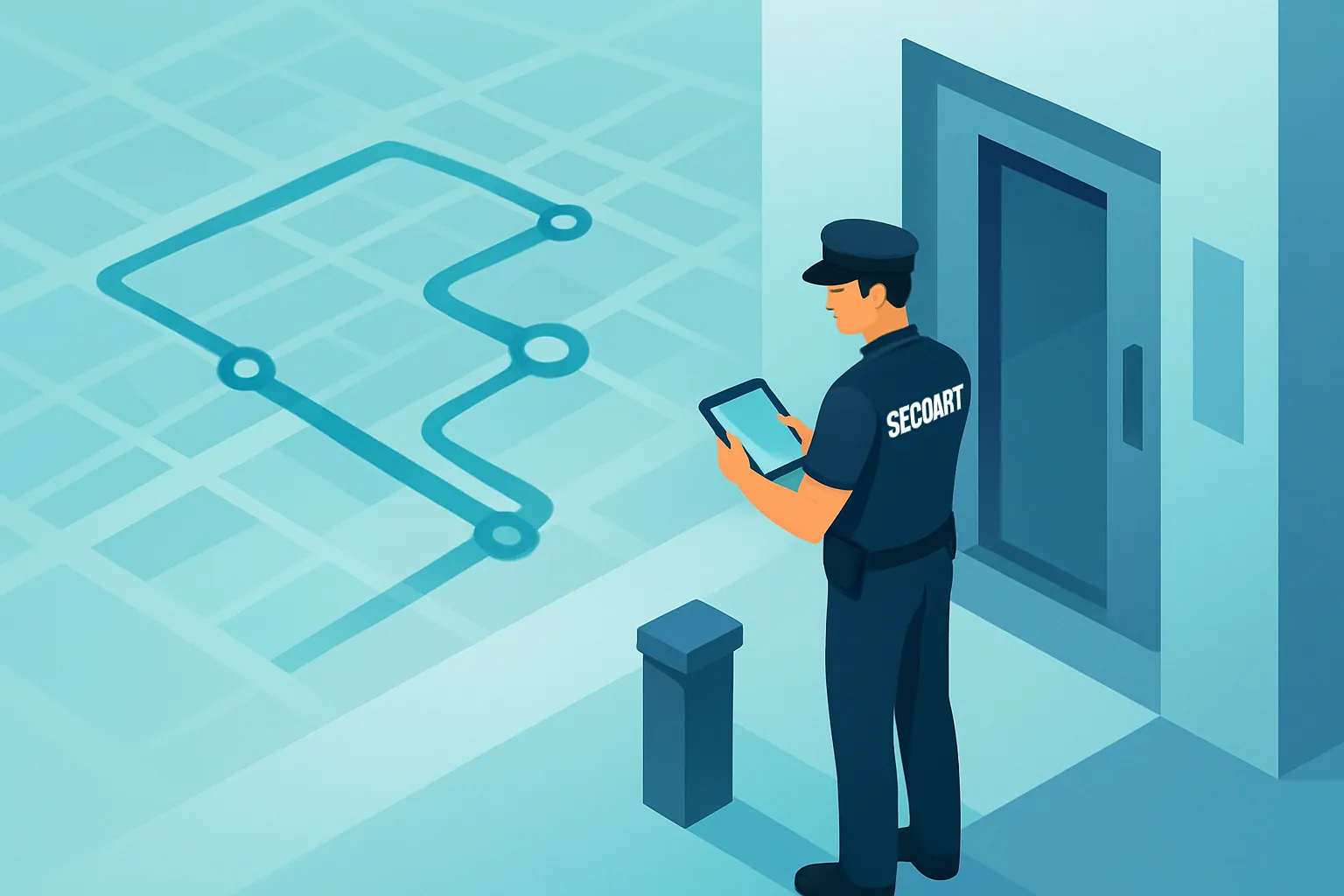
If your private security company still tracks shifts, patrols, and incidents through WhatsApp groups, paper logbooks, and spreadsheets, you already know the symptoms: guards who don’t show up and nobody finds out until the client calls to complain, patrols that “happened” but can’t be proven, incident reports scattered across chats, and billing that has to be rebuilt by hand every pay period by cross-checking attendance across dozens of sites. None of this is your team’s fault — an operation with multiple clients, rotating shifts, and field personnel simply doesn’t fit into generic tools.
Why off-the-shelf tools fall short
Security companies carry a specific kind of complexity: each client has its own site, its own coverage schedule, and its own access rules, while guards rotate across shifts and locations. A generic CRM doesn’t understand patrol checkpoints. A commercial ERP isn’t built to verify, with evidence, that a guard actually passed a specific point at a specific time. And no spreadsheet alerts anyone in real time when a shift is about to go uncovered.
The typical result:
- Absences discovered too late, after the client is already upset that a site went unguarded.
- Patrols with no verifiable evidence, leaving the company unable to defend itself in a dispute or after an incident.
- Incident reports scattered across chats and voice notes — hard to search later and nearly useless as a legal record.
- Slow, error-prone billing, because covered hours per site and per guard have to be reconstructed manually.
What a custom system solves
Software built specifically for your operation connects all of this in one place, backed by real data instead of reports from memory.
Shift and site coverage control
The system assigns guards to sites and shifts, flags coverage gaps before they happen, and automatically alerts supervisors when a shift is at risk of going uncovered. Each client can have its own scheduling rules, shift handoffs, and authorized personnel, without turning into an administrative mess.
Patrols with real evidence, not just a guard’s word
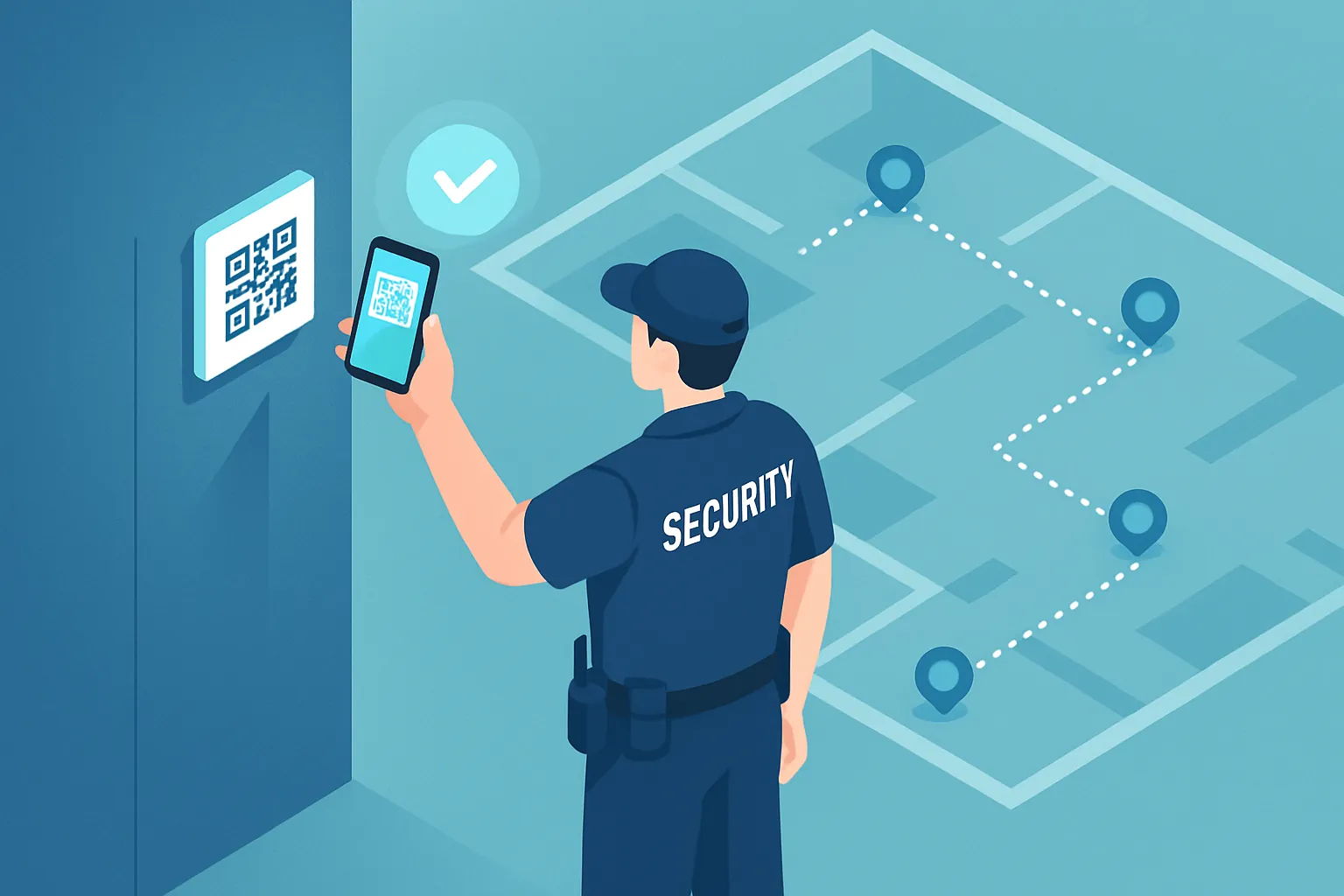
Instead of paper logbooks, guards log every patrol from a mobile app by scanning a checkpoint (QR or NFC) at each stop. The system automatically records time, location, and sequence, building a verifiable history your company can show the client or use as evidence if something goes wrong.
Structured incident reporting
Every incident — from a forced door to an unauthorized visitor — is captured with photos, time, location, and a description directly from the guard’s phone, and reaches the supervisor (and the client, if configured) immediately. Nothing gets lost in a group chat.
Automatic billing by client and site
The system calculates the hours actually covered by guard, shift, and site, producing the breakdown you need to bill without rebuilding everything by hand every pay period. This cuts billing errors and client disputes, because the numbers are already backed by attendance and patrol records.
A supervision dashboard and a client portal
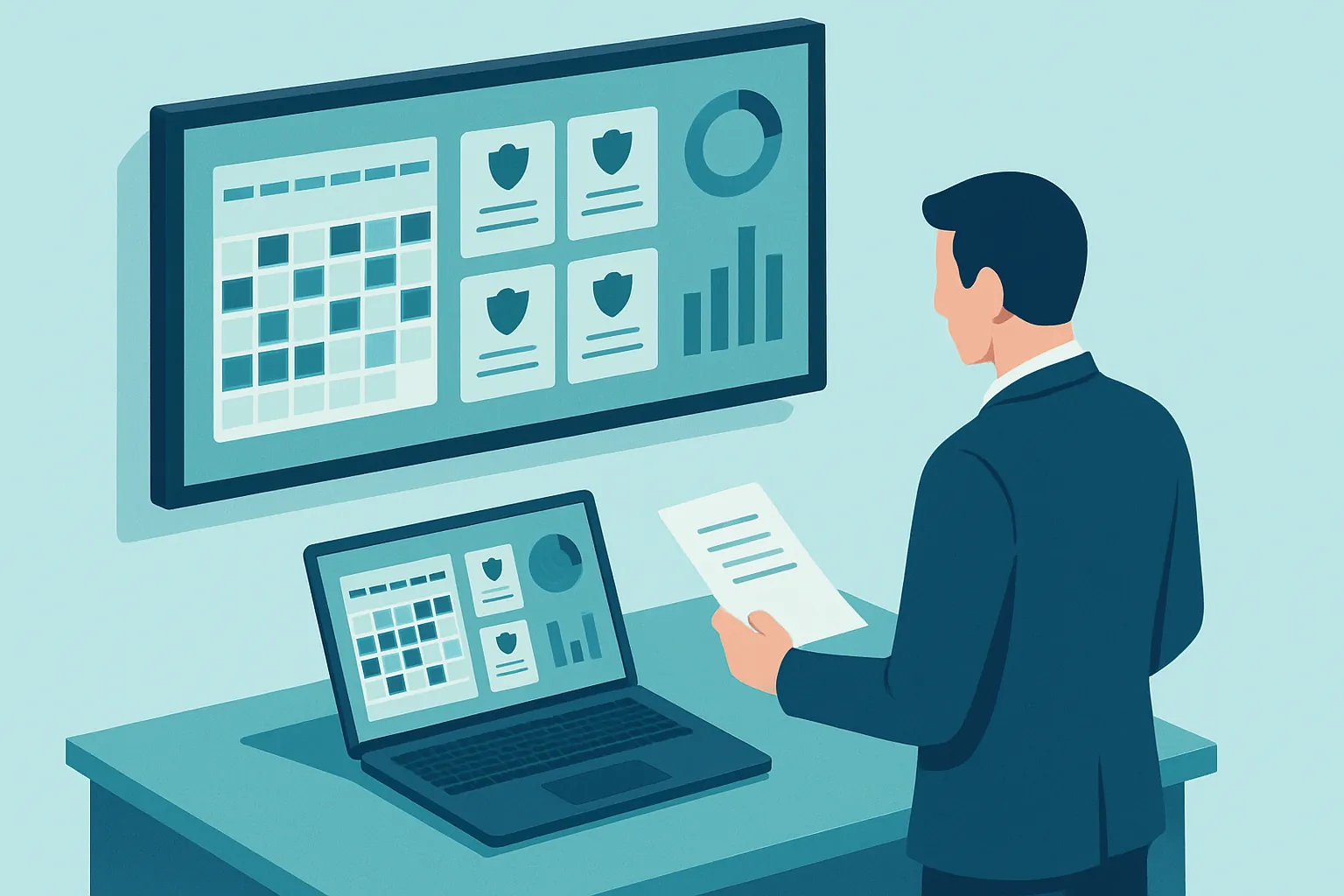
A central dashboard shows, in real time, which sites are covered, which patrols have been completed, and which incidents are still open. Optionally, your clients can get access to a limited portal where they see their own site’s status — a level of transparency that, in this business, is a strong competitive differentiator.
The ROI is concrete
This isn’t just about “modernizing.” The benefits translate directly into money saved and risk reduced:
- Fewer contractual penalties for uncovered shifts, by catching and resolving gaps before the client notices.
- Fewer client disputes, because every patrol and every incident is documented with evidence, not just someone’s word.
- Fewer administrative hours spent manually building reports and invoices.
- Room to grow into more sites and more clients without operational control becoming unmanageable.
How it fits with what you already use
A custom system doesn’t replace your operation — it integrates with what you already have, like your attendance and payroll tracking, or your client communication platforms. The key is building exactly the modules your company needs — no more, no less — instead of forcing your business to fit generic software designed for a different industry.
If your private security company is growing and spreadsheets, chat groups, and paper logbooks can no longer keep up with the precision your clients expect for shifts, patrols, and billing, let’s talk about what a system built specifically for your operation would look like.
Contact us and let’s discuss your case.
Have a project in mind?
Get in touch →