
Custom Preventive Maintenance Software: How to Cut Unplanned Downtime
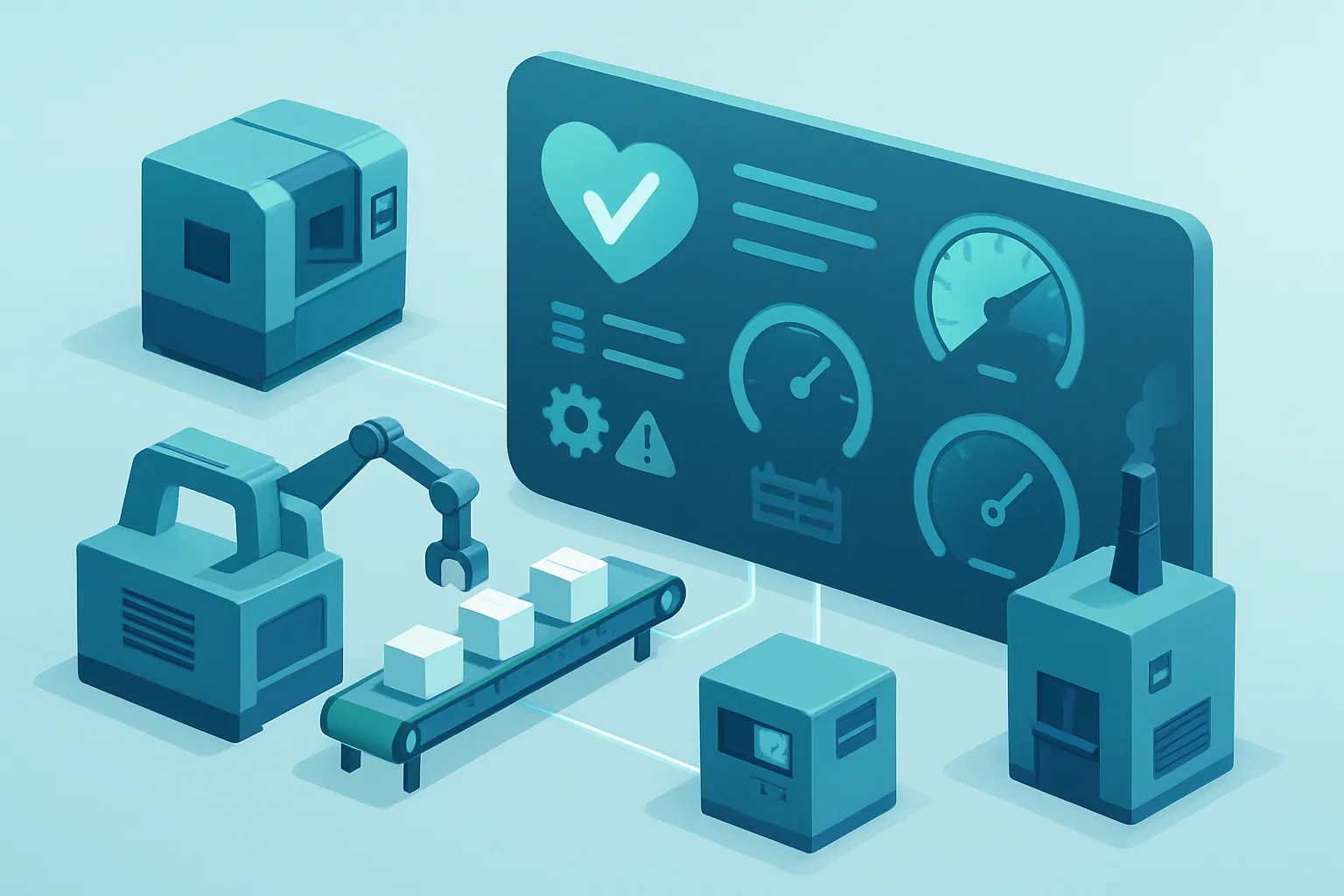
A machine stops mid-production. The operator looks for the technician, the technician looks for the paper logbook or the spreadsheet nobody kept updated, and meanwhile the whole line sits idle. Hours later, someone discovers the failure was a part that should have been replaced three months ago.
This scene repeats itself every day in plants, warehouses, and field operations across Mexico and Latin America. Reactive maintenance — waiting for something to break before acting — looks cheaper in the short term, but it’s one of the quietest ways a company loses money.
The real cost of firefighting
When maintenance depends on someone’s memory, scattered notes, or a generic system nobody really uses, the result is always the same:
- Unplanned downtime that halts production, deliveries, or customer service.
- Emergency parts purchases bought at rush prices instead of planned ones.
- Assets aging faster than they should due to delayed servicing.
- Zero visibility into which equipment fails most, how much it costs, and why.
None of this shows up as one big line item on the P&L. It’s spread out, buried inside “operating expenses” — which is exactly why it rarely gets addressed with the urgency it deserves.
What a custom preventive maintenance system actually is
A CMMS (Computerized Maintenance Management System) built to order is a platform designed specifically around how your company maintains its assets — machines, vehicles, facilities, or equipment — not around a generic user manual scenario.
Its core pieces usually include:
- Automatic scheduling for maintenance based on usage time, cycles, or calendar dates, matched to what makes sense for each asset type.
- Digital work orders with checklists, photos, and technician sign-off, accessible from a phone on the plant floor.
- A complete history per asset: what was repaired, when, with which part, and at what cost.
- Automatic alerts when a piece of equipment is approaching its next service or showing early signs of failure.
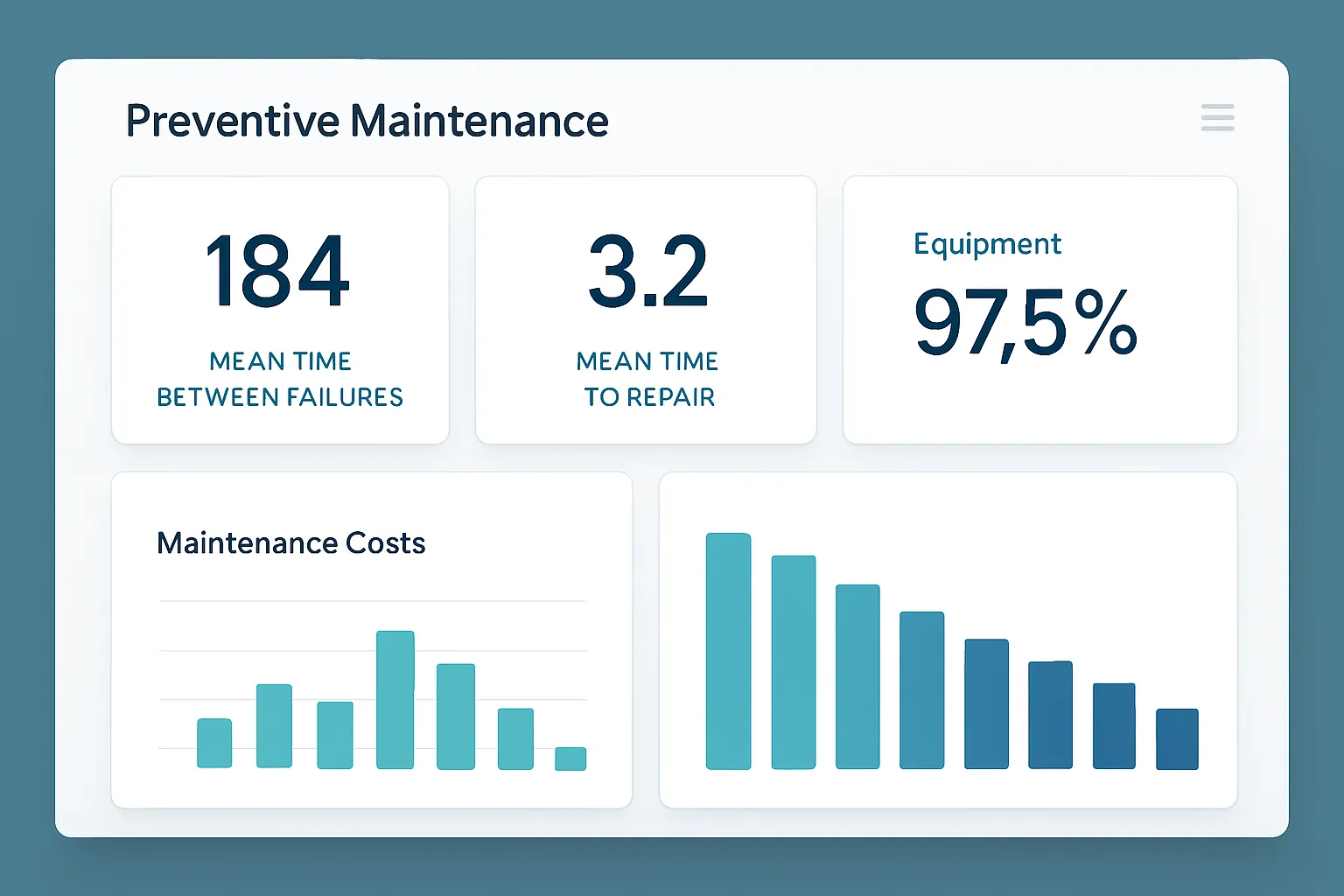
- Key metric reports like MTBF (mean time between failures) and MTTR (mean time to repair).
Why “custom” beats an off-the-shelf CMMS
Dozens of ready-made maintenance systems exist, and for some companies they’re enough. The problem shows up when your operation has its own rules: asset types that don’t fit predefined categories, specific approval flows, integration with the ERP or purchasing system you already run, or equipment with sensors generating data a generic tool simply doesn’t know how to interpret.
A custom system is built around how your team actually works today, not the other way around. That means:
- It integrates with the systems you already have (ERP, inventory, purchasing) instead of duplicating data entry.
- It reflects the real hierarchy of your assets, plants, and production lines.
- It can connect to IoT sensors if your equipment has them, without paying for features you’ll never use.
- It grows with you: adding a new plant or a different asset type doesn’t mean starting from scratch.
From sensor to work order: how it all connects
The architecture behind well-designed preventive maintenance is simpler than it sounds. A sensor or a scheduling rule detects a condition, the system automatically generates a work order, that order reaches the right technician’s phone, and once it’s closed it’s logged in the asset’s history — ready for the next report or audit.
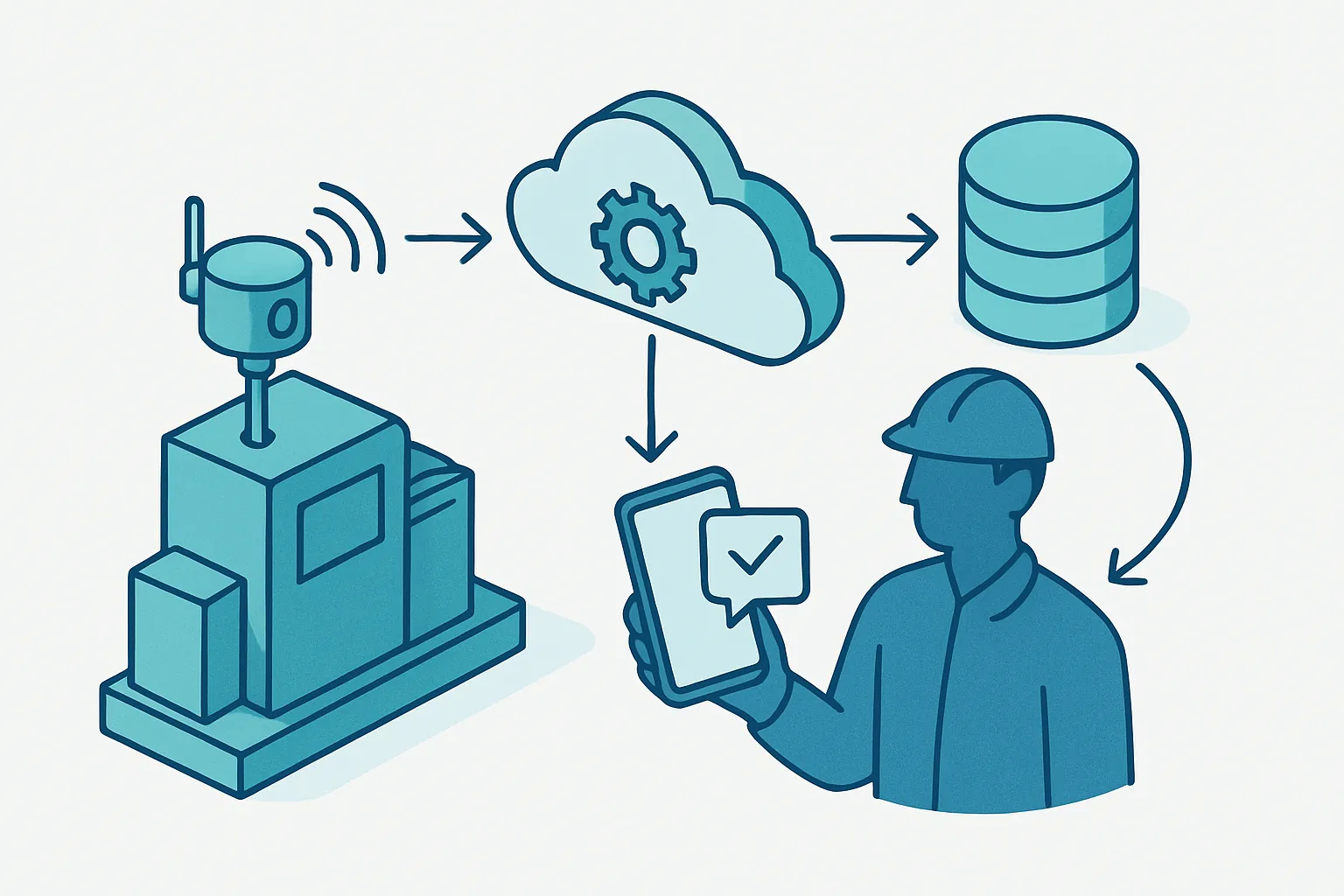
When built correctly, that flow eliminates most of the manual steps where information gets lost today: phone calls, WhatsApp messages, paper logs that never make it into a system.
What kind of return to expect
Companies that move from reactive to preventive maintenance typically see clear improvements within a few months:
- Fewer unplanned stoppages, because failures are anticipated instead of reacted to.
- Lower emergency-purchase spending, thanks to planning parts ahead of time.
- Longer asset lifespan for machinery and vehicles.
- Data-driven decisions about which assets to replace and when, instead of guesswork.
Preventive maintenance isn’t an extra expense — it’s the difference between planning your costs and letting them ambush you.
How to get started
You don’t need to digitalize the entire operation at once. The most practical path is usually: map your critical assets, define the maintenance rules that already work (even if they’re on paper today), and build a system that automates them from day one — with room to grow into sensors and deeper integrations later.
At Kimo Solutions, we design custom preventive maintenance systems connected to your real operation. If you’d like to talk about what that could look like for your plant, get in touch.
Have a project in mind?
Get in touch →