
Custom Logistics Software: How to Optimize Routes, Fleets, and Deliveries
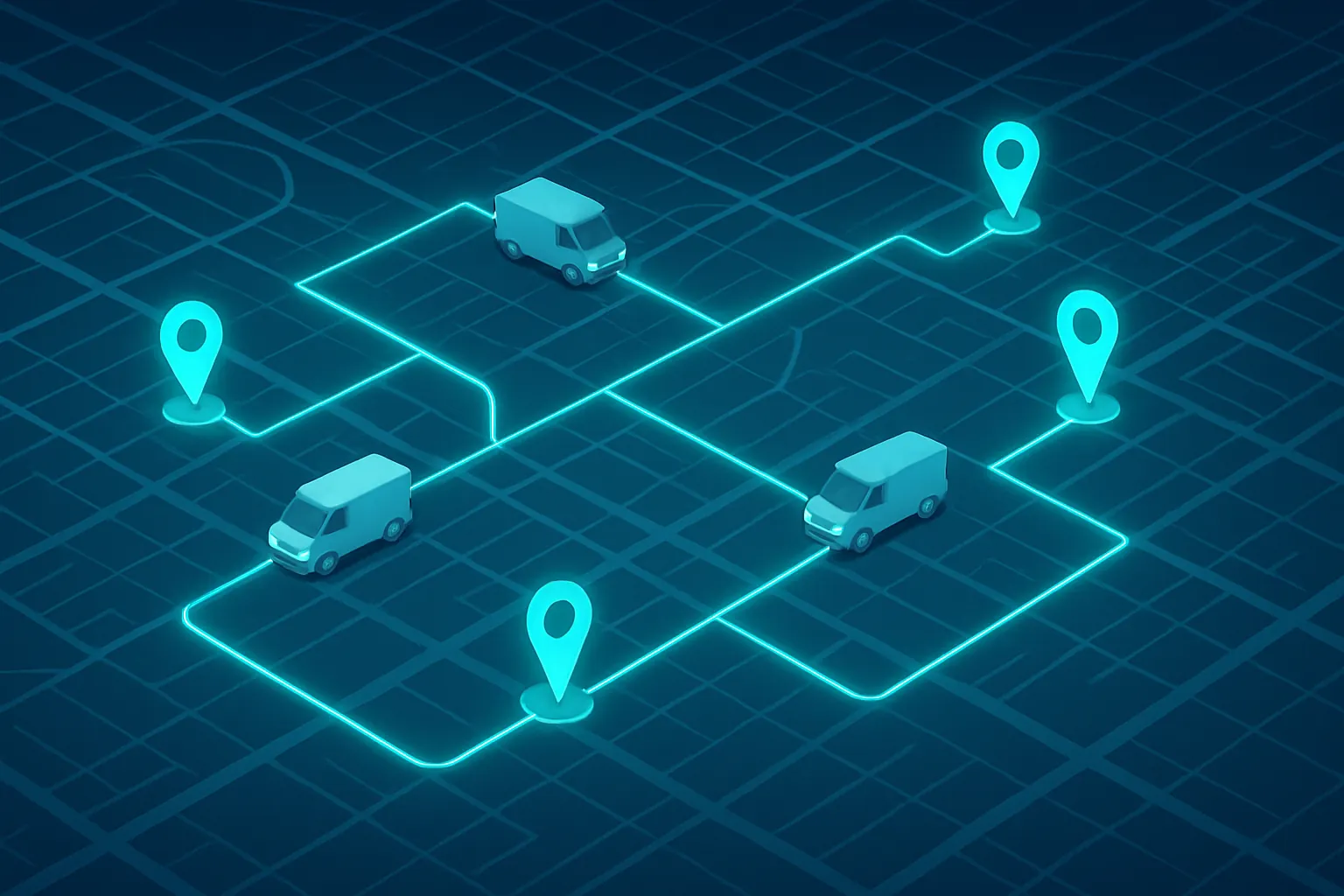
A driver gets lost looking for an address the customer typed wrong in a WhatsApp message. Another one delivers across town while three pending orders sit half a block from his actual route. By the end of the day, nobody knows exactly how much extra fuel was burned or why delivery number twelve arrived three hours late. That is the operational reality for many distribution, courier, and last-mile companies: logistics gets coordinated through phone calls, WhatsApp group chats, and spreadsheets nobody updates on time.
The problem is not a lack of effort from the team. It is that coordinating routes, fleets, and deliveries by hand has a ceiling: it works with five vehicles, gets chaotic with twenty, and is practically unsustainable with fifty.
Signs your logistics are already costing you money
You do not need an elaborate diagnosis. If more than one of these sounds familiar, you are losing money every single day:
- Routes get built “by feel”, without factoring in traffic, delivery windows, or actual proximity between stops.
- You do not know where each vehicle is in real time — you only find out when the driver calls or the customer complains.
- Fuel costs keep climbing month over month without a matching increase in delivery volume.
- Every last-minute change — a canceled order, a corrected address — means phone calls and manual rescheduling that eats into everyone’s time.
- You have no clear way to measure how punctual your operation actually is, beyond a vague sense of “pretty good, I think.”
When logistics depends on the memory and goodwill of a handful of people, any growth in the business translates directly into more chaos, not more efficiency.
What custom logistics software actually solves
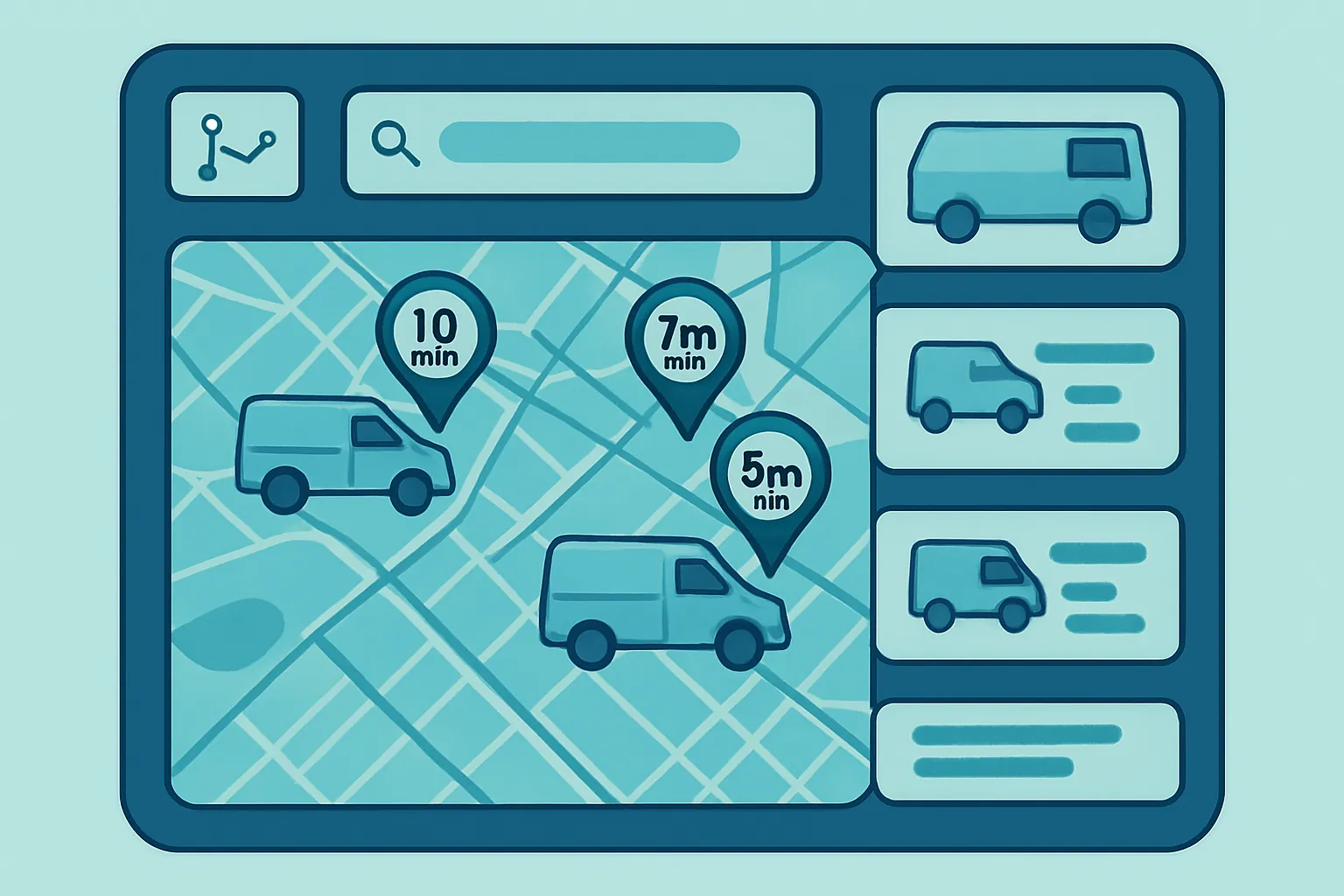
Off-the-shelf routing platforms exist, but many are built for generic parcel operations and do not reflect how your business actually works: your coverage zones, your priority rules, your vehicle types, or your specific delivery conditions (refrigerated goods, installation included, cash on delivery, and so on). A custom system is built around those rules, not the other way around. Specifically, it solves:
- Real route optimization, grouping deliveries by proximity and time window instead of by the order orders happened to arrive in.
- Real-time visibility of every vehicle, with delivery status that updates automatically as the driver progresses.
- Fast reassignment when something changes mid-day, without relying on a phone call to move a delivery from one vehicle to another.
- Automatic customer notifications with an estimated arrival time, cutting down the “is my order coming?” calls.
- Performance reports by driver, route, and zone, to pinpoint exactly where time and money are actually being lost.
None of this requires replacing your entire operation overnight. The usual starting point is whichever module causes the most pain today — typically routing or fleet visibility — and from there it integrates with what you already have: your order system, your invoicing, your CRM.
The impact shows up in fuel, time, and satisfied customers

The return on custom logistics software is not abstract; it shows up in three numbers any operations manager can track:
- Fewer kilometers driven per delivery, by eliminating inefficient routes and redundant trips.
- More deliveries per driver per day, without adding overtime or hiring more vehicles.
- Fewer complaints and cancellations, because the customer knows when to expect their order instead of waiting with no information.
For companies that live and die by delivery — distributors, retailers with their own fleet, home-service businesses — these three points are not minor operational details: they are directly profit margin. Every optimized route is fuel that does not get burned, and every on-time delivery is a customer who does not switch to a competitor.
Automating logistics does not mean taking control away from the operations team; it means giving them the tools to make better decisions based on real information, instead of intuition and last-minute phone calls.
Has your delivery operation already outgrown what Excel and WhatsApp can handle? Let’s talk, no strings attached and figure out together where to start optimizing your logistics.
Have a project in mind?
Get in touch →