
Custom Learning Management System (LMS): How to Standardize Your Company's Knowledge
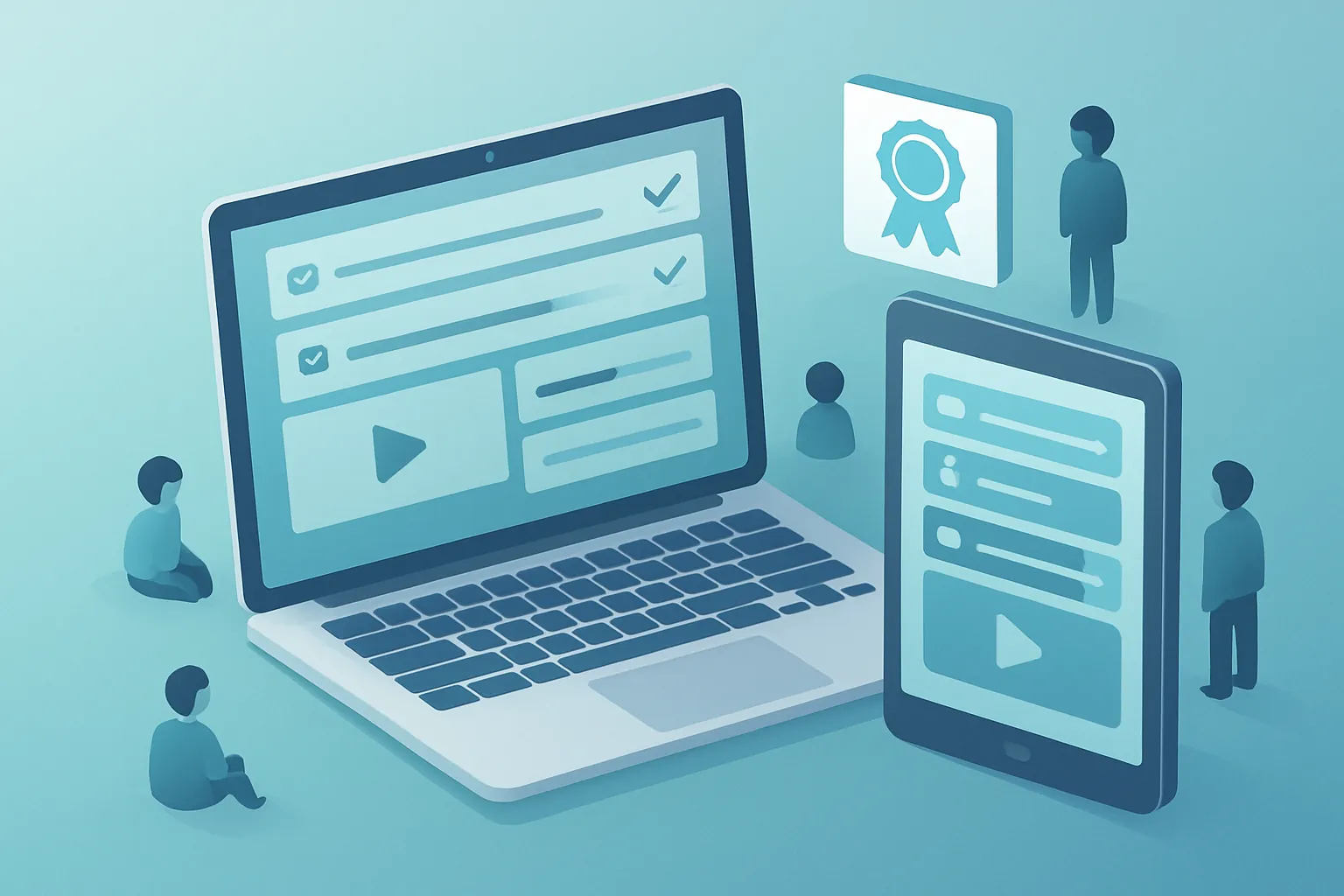
Ask your HR lead something simple: if an audit showed up tomorrow asking for proof that every employee at a plant completed mandatory safety training, how long would it take to produce that evidence? If the answer involves digging through emails, paper sign-in sheets, or a shared drive with inconsistently named folders, the problem isn’t the training itself — it’s that no system is actually tracking it.
Many companies confuse “having training” with “having an LMS” (Learning Management System). Recording a few videos and dropping them in a shared folder is content, not a system. A real LMS assigns courses based on role, tracks each person’s progress, certifies completion, and flags what’s about to expire. As a company grows — more locations, more turnover, more regulatory requirements — not having that system stops being a minor annoyance and becomes an operational and legal risk.
The signs you already need one
These symptoms show up repeatedly in manufacturing, retail, financial services, and any operation with staff across multiple locations:
- Onboarding quality depends on who delivers it: each branch manager trains “their own way,” and the quality of new-hire onboarding varies by person, not by process.
- Zero compliance traceability: there’s no reliable way to know who completed safety, anti-corruption, or data-protection training, or when their recertification is due.
- Knowledge that walks out the door: when a key employee leaves, they take processes with them that were never documented or turned into training material.
- Generic tools that don’t fit: standard e-learning platforms charge per active user, don’t connect to your ERP or HR system, and don’t support learning paths tied to your own job catalog.
- Training disconnected from performance: nobody cross-references how well-trained someone is against their actual results on the job.
For a small operation, a video course and a spreadsheet can be enough. Once you have dozens of roles, multiple locations, or regulatory requirements, that model breaks down on its own.
Why off-the-shelf platforms fall short
Commercial LMS platforms handle the generic case well: upload a video, add a quiz, issue a certificate. The problem shows up when your company needs training to talk to the rest of your systems:
- A new hire, once added to your HR system, should automatically receive their training path based on role — without someone manually assigning it.
- The system should cross-check active certifications against shift scheduling, so no one gets scheduled on a production line if their safety certification has lapsed.
- Compliance reports need to come out in the exact format your auditor or corporate client requires, not the platform’s standard export.
- Your course catalog, roles, and learning paths should mirror your actual organizational structure, not a generic “departments” template.
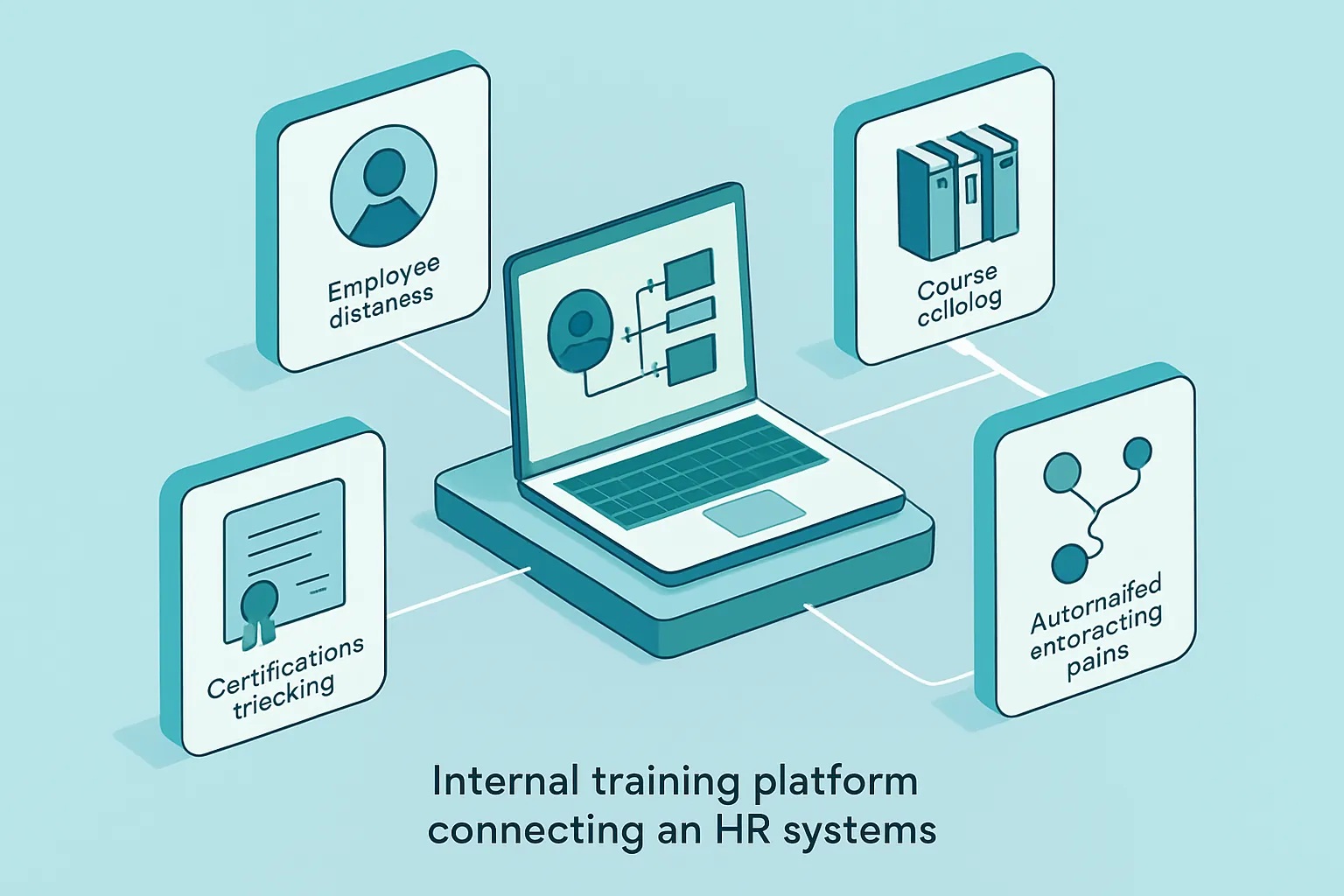
When training lives as an isolated module, that information stays disconnected from the rest of the business. A custom LMS is built as one more piece of your software architecture, integrated with what you already use.
What a custom LMS should include
Role-based learning paths
Each role has a defined mandatory and optional training path, with automated expiration and recertification dates — no one has to remember it manually.
Compliance tracking and evidence
Real-time reporting on who completed what, when, and with what score, ready for internal audits, corporate clients, or regulators.
Integration with HR and operations
Automatic path assignment when someone is hired, blocked assignments when a valid certification is missing, and sync with the company’s actual org chart.
Proprietary, measurable content
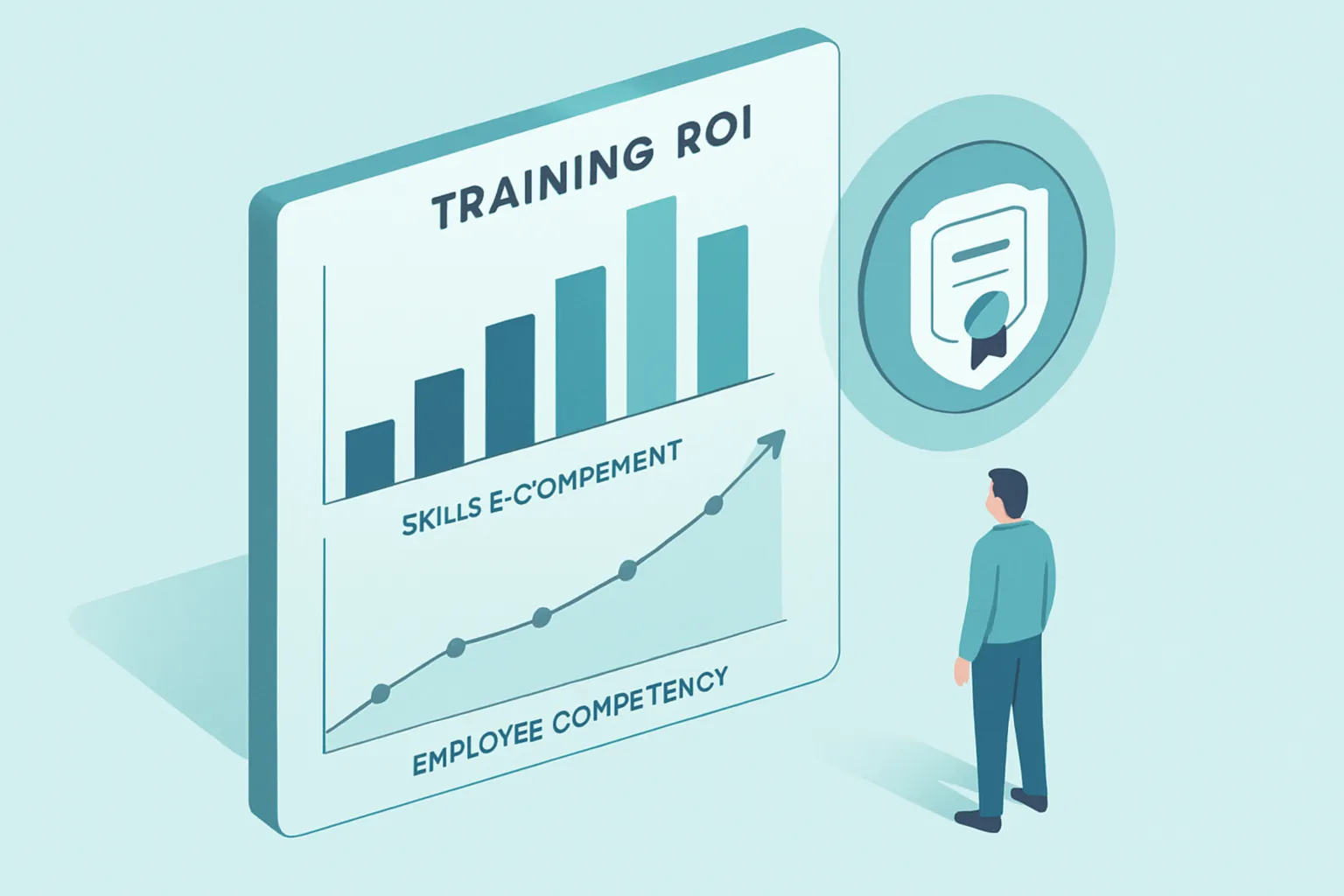
Courses, quizzes, and videos built around your specific operational knowledge — not generic soft-skills content that doesn’t fit your context — with metrics on how much performance improves after each module.
The return isn’t just compliance
Avoiding a fine or sailing through an audit already justifies the investment on its own. But the bigger benefit is usually different: shorter, more consistent onboarding gets new hires productive faster, and a company that documents and measures its training retains operational knowledge even as people rotate out. In high-turnover industries, that can be the difference between an operation that stumbles every time someone leaves and one that keeps running smoothly.
Before paying for more per-user licenses on a platform that will never quite fit your operation, it’s worth evaluating whether an LMS built around your structure, your regulations, and your existing systems ends up being, in the medium term, both the cheaper option and the only one that actually gives you control.
Does your company already need a training platform that speaks the same language as your operation? Let’s talk about your project and figure out together whether it makes sense to build it custom.
Have a project in mind?
Get in touch →