
Custom Hotel Management Software: Reservations, Housekeeping, and Billing in One System
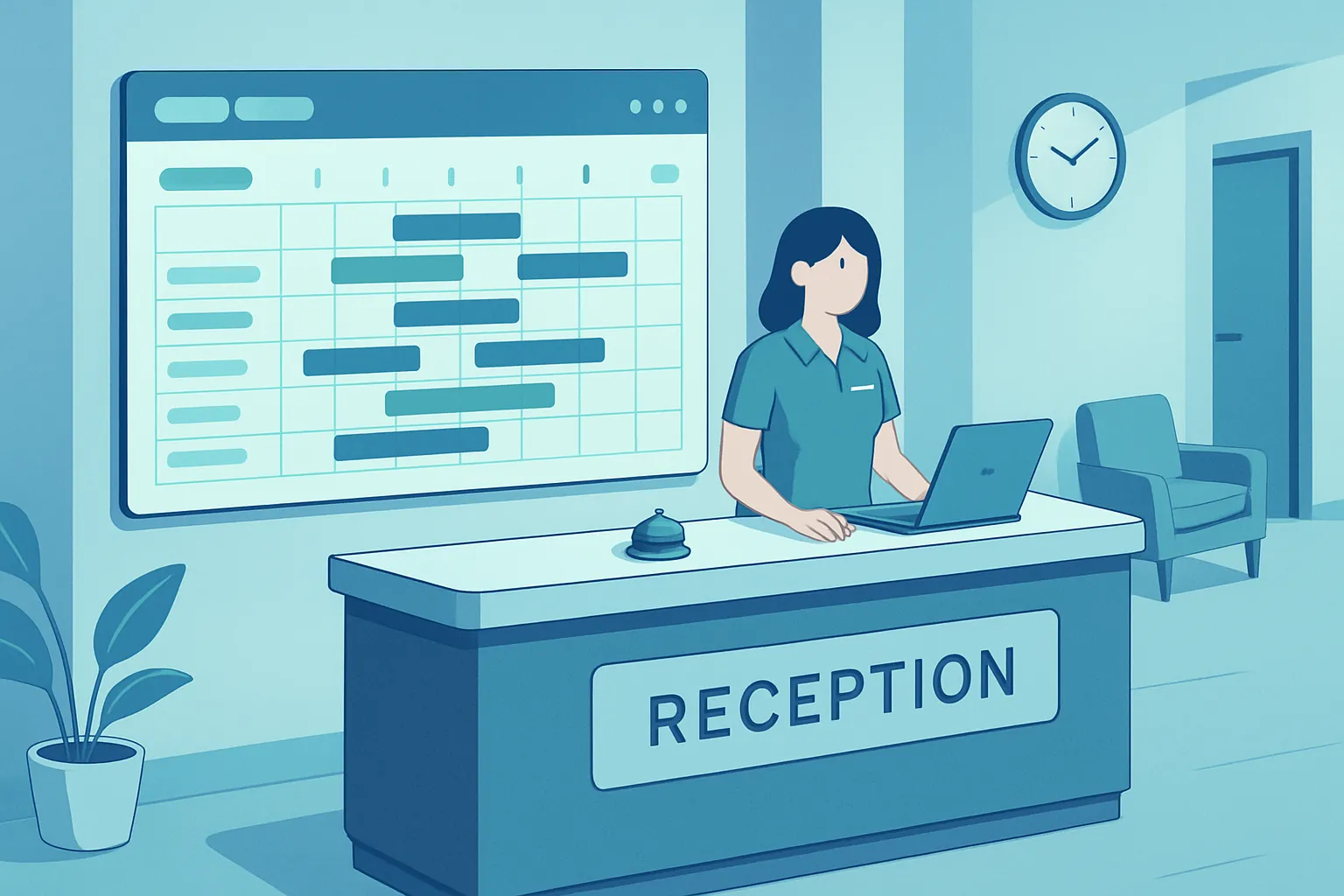
A small or mid-size hotel takes reservations from at least four different channels at once: Booking.com, Expedia, phone calls, and guests who walk straight up to the front desk. In many properties, those channels don’t talk to each other: someone updates a spreadsheet or a front-desk notebook every time a reservation comes in, and hopes no one else sells that same room at the same time through another channel.
The result is predictable: overbooking, guests reshuffled at the last minute, and a front-desk team that spends the morning cancelling or relocating reservations instead of serving the person already standing in the lobby. On top of that, housekeeping finds out each room’s status over radio or by word of mouth, and the guest’s bill gets pieced together by hand at checkout, when there’s no time left to review charges carefully.
A custom system fixes this by centralizing reservations, room status, and billing on a single platform that connects what today lives scattered across booking platforms, radios, and spreadsheets.
Where money and reputation get lost
- Overbooking from disconnected channels. Without a single calendar, the same room gets sold twice — once through an OTA and once by phone — and the hotel ends up relocating guests or paying the booking platform’s penalty.
- Front desk with no real visibility into room status. Without knowing which rooms are already clean and ready, the front desk keeps guests waiting who already checked in elsewhere without this problem, or assigns a room housekeeping hasn’t finished yet.
- Bills pieced together by hand at checkout. Adding up room charges, minibar consumption, room service, and extras manually, under the pressure of a line of guests waiting, produces errors that then have to be corrected with the guest already on their way out.
- No guest history at all. Without a centralized record, the hotel has no way to know whether a guest has stayed before, what room type they prefer, or whether they had a complaint on their last visit — losing the chance to personalize service or sell a room upgrade based on their history.
Each of these points directly hits occupancy, average rate, and the reviews the hotel gets on the platforms where guests decide where to stay.
What a custom hotel system includes
1. A centralized reservations calendar
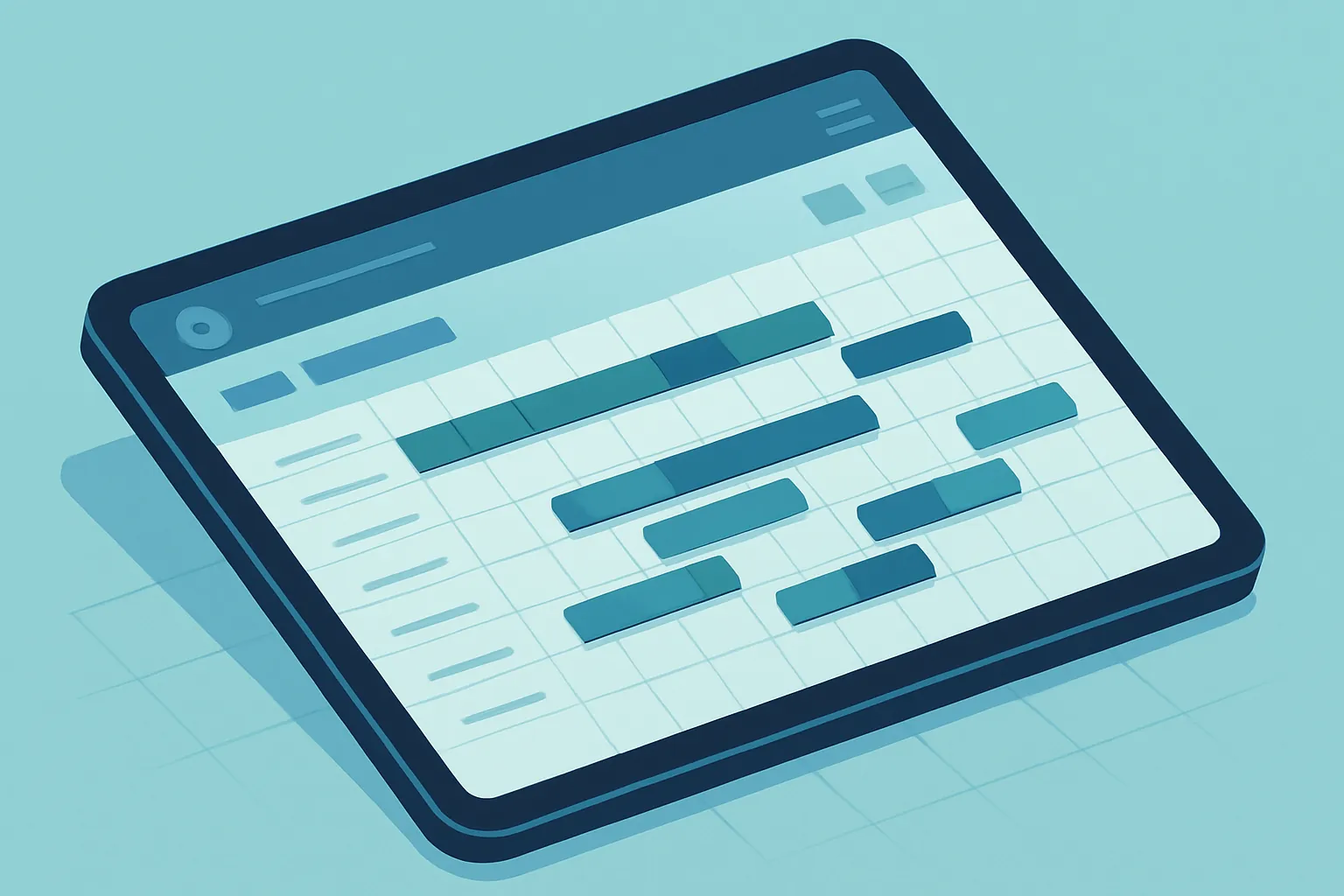
Every reservation — from OTAs, phone, the hotel’s own website, and walk-ins — lands on a single real-time calendar, so no room ever gets sold twice. The system automatically blocks availability across every channel as soon as a booking is confirmed on any one of them.
2. A real-time housekeeping panel
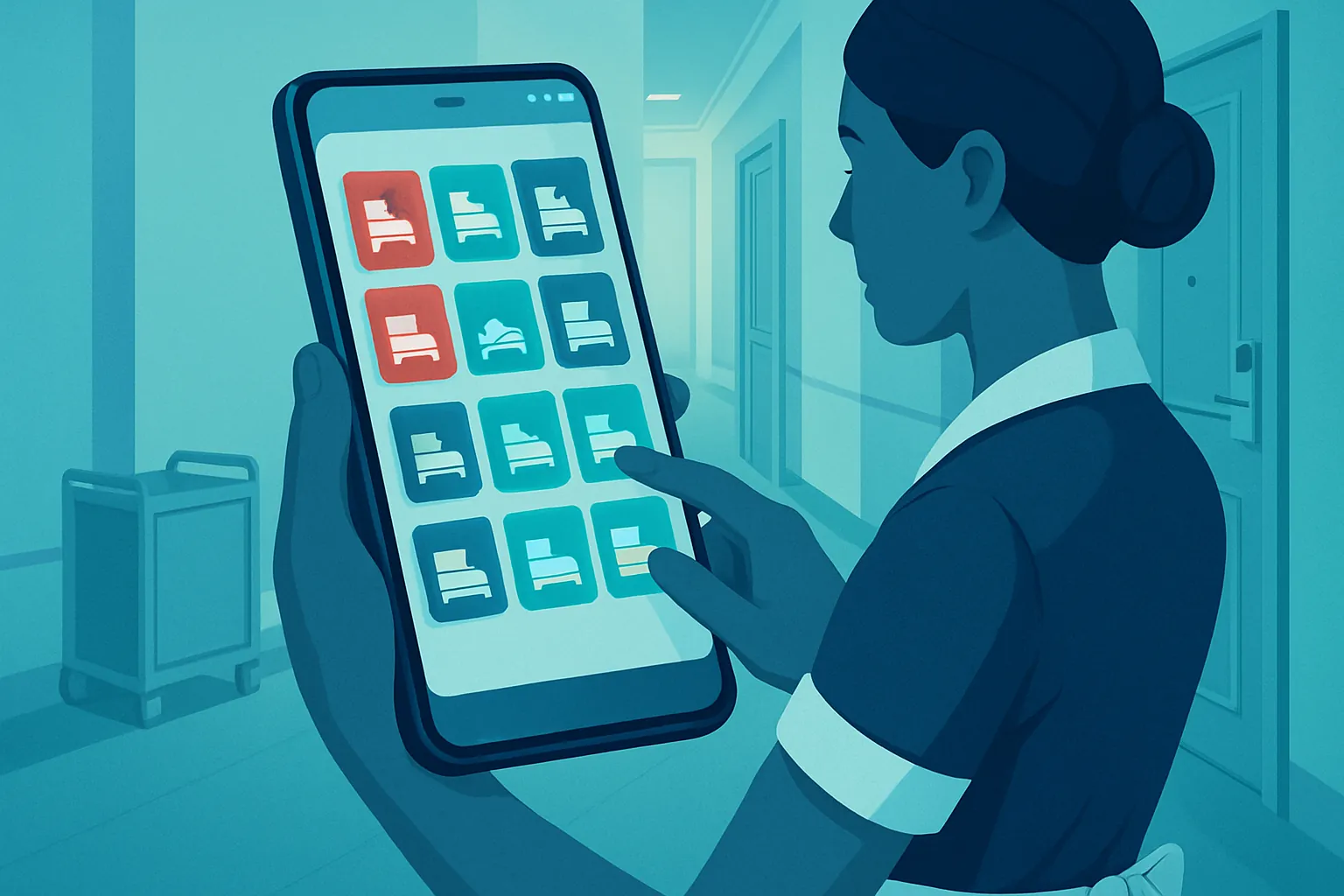
Every room has a status visible to the whole team: dirty, being cleaned, ready to occupy, under maintenance. Housekeeping updates the status from their phone as soon as a room is done, and the front desk sees exactly which rooms it can assign without calling on the radio to ask.
3. A digital folio with integrated billing
Every guest builds a folio starting at check-in: room charges, minibar, room service, and extras get added automatically as they happen, not at the end. At checkout, the bill is already assembled and ready to review, and the electronic invoice is generated straight from the folio, with no amounts typed in by hand.
- Charges captured the moment they happen, not reconstructed from memory at the end.
- Electronic invoicing generated directly from the guest’s folio.
- Fewer billing errors and less waiting time at checkout.
4. Guest history and profiles
The system keeps each guest’s previous stays, their preferences, and any incidents on record, so the front desk can personalize service or spot clear candidates for a room upgrade, without depending on someone “remembering” the guest.
5. An occupancy and revenue dashboard
A dashboard shows occupancy, average daily rate (ADR), and revenue per available room (RevPAR) in real time, by room type and by sales channel, so management can adjust rates and promotions using current data instead of reports assembled at month-end.
Why custom instead of a generic PMS
Generic hotel property management systems (PMS) charge per room or per connected channel, impose their own workflow, and rarely integrate fully with local electronic invoicing or the tools the hotel already uses to communicate with guests.
A custom build:
- Adapts to the type of property — boutique hotel, small chain, hostel, or bed and breakfast — instead of forcing the process into a mold built for large chains.
- Integrates what you already use: the WhatsApp Business API for confirmations and check-in, electronic invoicing, and the OTAs where the hotel actually sells.
- Grows with you: adding a property or a new sales channel doesn’t depend on someone else’s subscription plan.
- Removes recurring commissions and per-room fees, which end up costing more over time than building the system yourself.
How to get started
This isn’t about digitizing the entire operation at once. The most effective path is:
- Map the current reservation flow — from the moment a request comes in to the moment checkout is billed — and identify where most errors or overbooking happen.
- Prioritize the module with the highest impact (usually the reservations calendar or the housekeeping panel).
- Build and integrate incrementally, validating with the front desk and housekeeping before connecting every sales channel.
A hotel that controls its reservations, room status, and billing from a single system doesn’t just avoid overbooking: it gives management real visibility to sell smarter and improve the guest experience from booking through checkout.
Is your hotel still coordinating reservations across Booking.com, WhatsApp, and spreadsheets? At Kimo Solutions, we design custom systems for hotels and hospitality properties. Let’s talk about your operation.
Have a project in mind?
Get in touch →