
Custom ERP: When Disconnected Systems Stop Being Enough
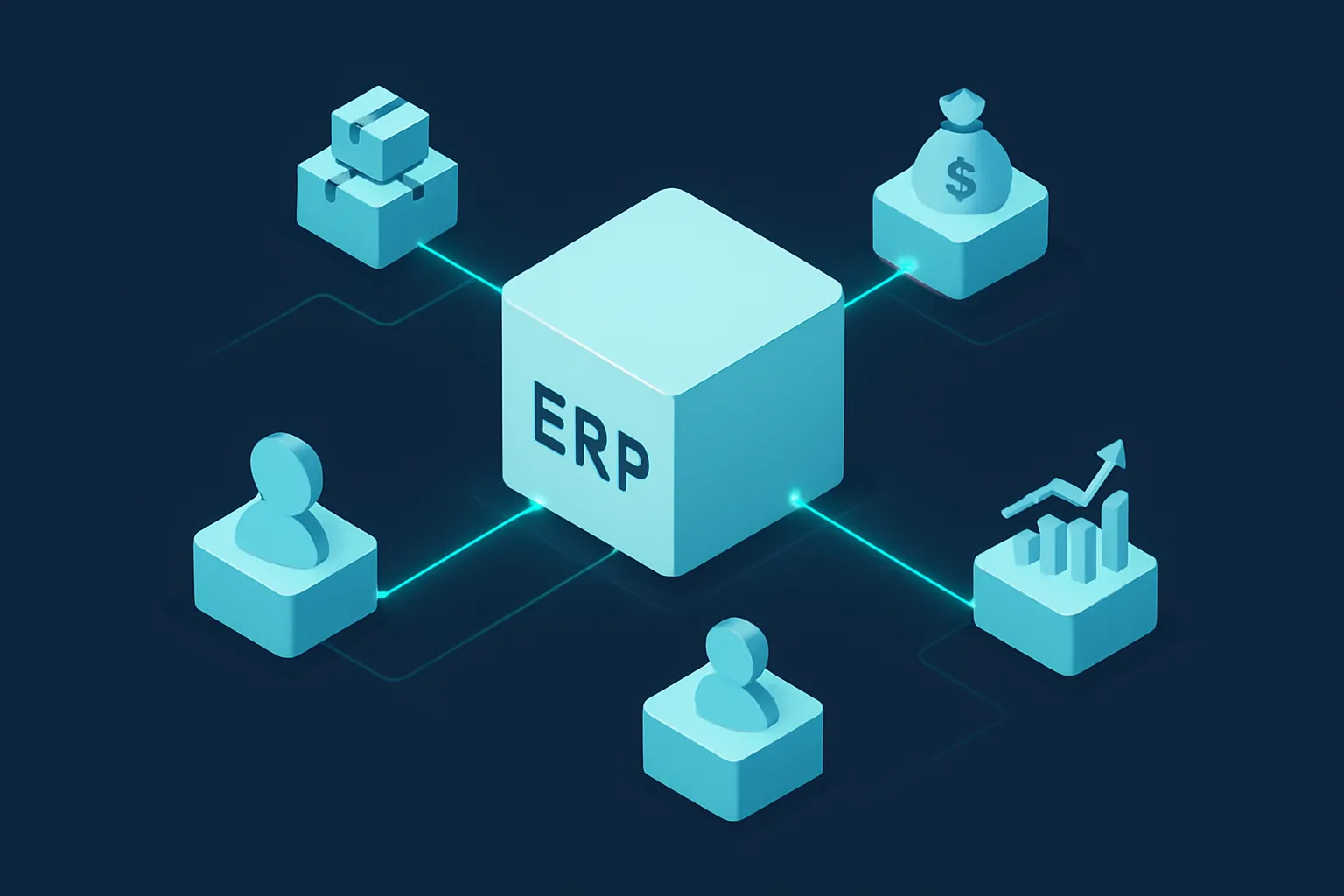
Invoicing in one system, inventory in a spreadsheet, sales in a CRM nobody fully fills out, and payroll in a third tool that doesn’t talk to any of the others. That’s how a lot of growing companies actually operate once they outgrow the tools they started with.
The symptom isn’t a system that breaks — it’s a business that runs despite its tools, not because of them. And that’s where the question of an ERP comes in: an enterprise resource planning system, and more importantly, whether that ERP should be off-the-shelf or custom-built.
The signs you already need one
Not every company needs an ERP from day one. But if several of these sound familiar, it’s worth taking seriously:
- Pulling a report takes days, not minutes, because someone has to manually stitch together data from three or four different sources.
- Every department has its own version of the truth: sales says there are 40 units in stock, the warehouse says 25.
- Growth means hiring more people to enter data, not to generate value.
- The processes that make your company unique — a particular way of quoting, tracking projects, or calculating commissions — don’t fit the standard modules of an off-the-shelf ERP without forcing them.
If none of this rings a bell, it’s probably not the right time yet. But if you’ve lost count of how many times a month someone says “you’ll have to check that in the other system,” the answer is clear.
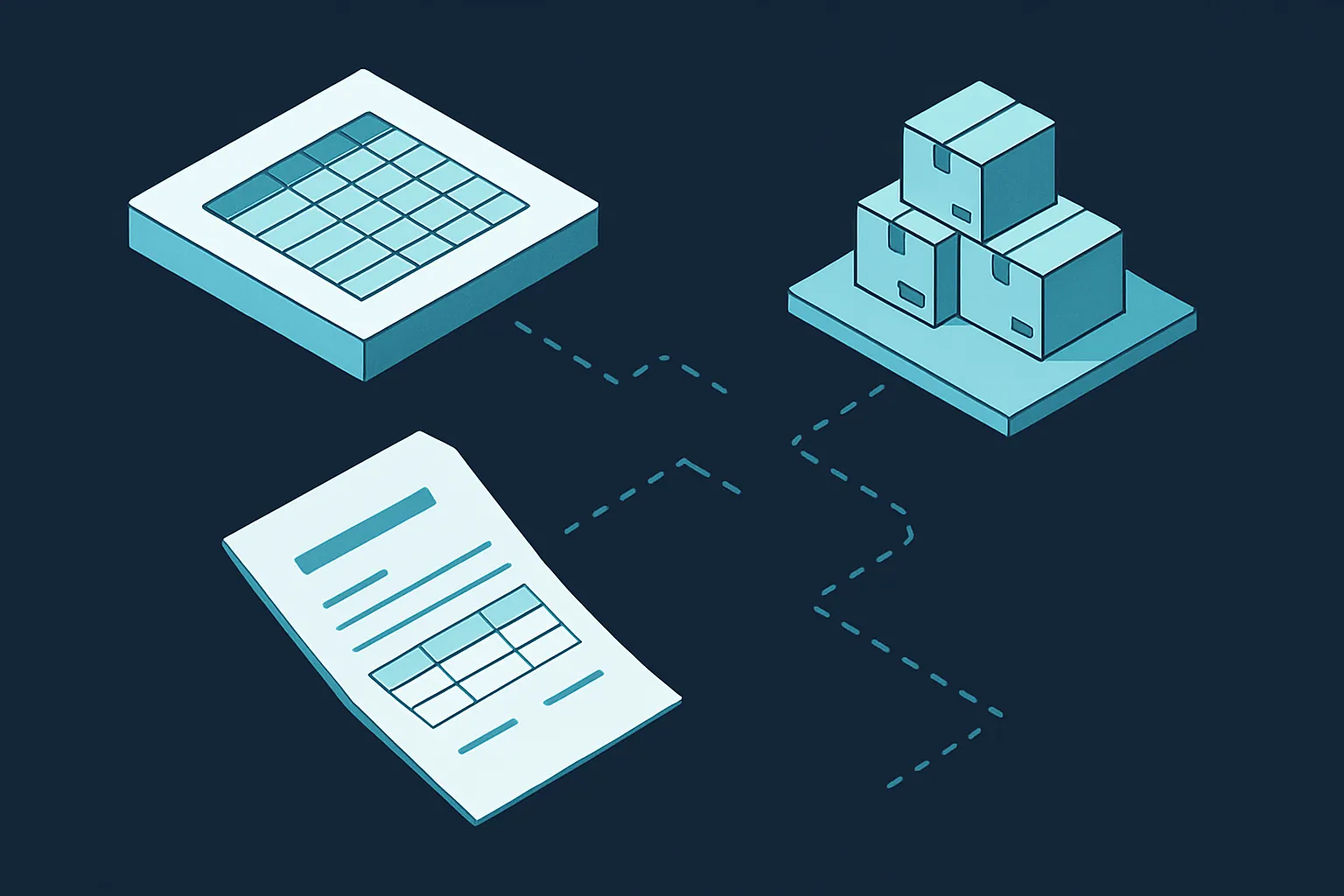
Off-the-shelf ERP vs. custom ERP
It’s worth being honest here: not every company needs a custom ERP. If your purchasing, inventory, or accounting processes are reasonably standard, a well-configured off-the-shelf ERP (SAP Business One, Odoo, NetSuite) can solve 80% of the problem at a predictable cost.
A custom ERP becomes the right call when that remaining 20% — the processes that actually set you apart from competitors — are exactly the ones a generic system can’t model without turning into a tangle of expensive, fragile customizations. A few signs you’re in that situation:
- You already tried “adapting” an off-the-shelf ERP and ended up paying more in customizations than in the original license.
- Your business model (project-based manufacturing, recurring services, logistics with particular rules) doesn’t fit the predefined flows of generic ERPs.
- You need the system to grow with you, adding modules as you actually need them, without paying for functionality you’ll never use.
How to build it without stopping operations
The most common mistake when building a custom ERP is trying to replace everything at once. It’s a high-risk approach: if something goes wrong, it stops the entire company at the same time.
The approach that actually works is modular and iterative:
- Start with the module causing the most pain today — inventory, invoicing, whatever it is — not the biggest one.
- Integrate that module with what already exists while the rest of the operation keeps running as usual.
- Measure the real impact before moving to the next module: time saved, errors reduced, reports that now take minutes instead of days.
- Expand in phases, adding sales, HR, or purchasing as the business actually requires it, not according to a rigid two-year plan.
This approach also cuts financial risk: instead of one massive upfront investment, each phase pays for itself — in time and money saved — before committing to the next one.
The real return of a custom ERP
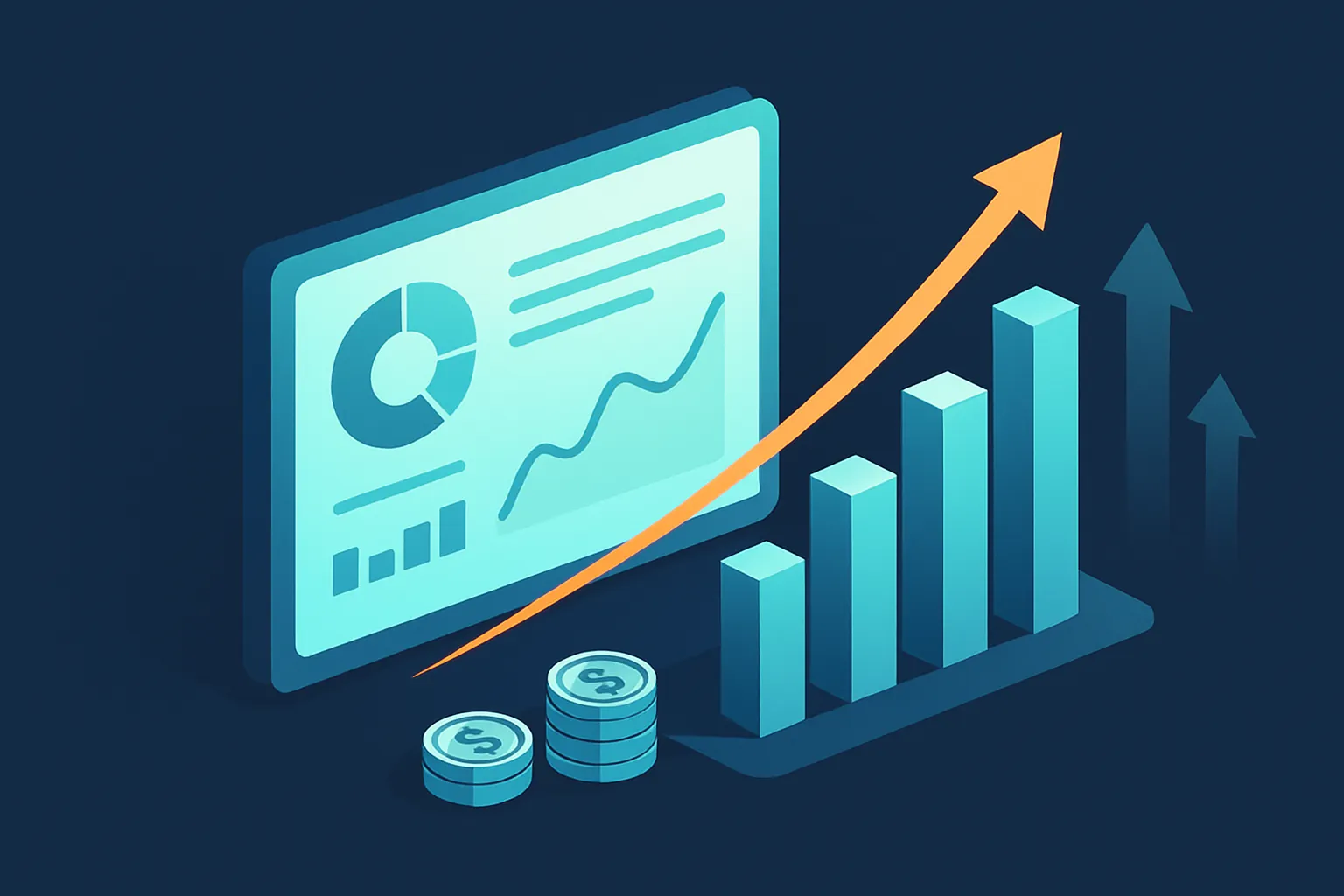
Beyond “having everything in one system,” the value of an ERP built for your specific processes shows up in three places:
- Faster, better-informed decisions, because reports reflect real, current data instead of last week’s manual entries.
- Fewer person-hours lost to data entry, reconciliation, and “checking the other system.”
- A system that adapts to how your company works, instead of forcing your company to adapt to the limits of generic software.
A custom ERP isn’t for every company, but for the ones that already feel their tools are capping their growth, it’s usually the difference between constantly putting out fires and having real control over the business.
Want to find out if your company is already at the point where a custom ERP makes sense? Let’s talk, no strings attached and figure out together where to start.
Have a project in mind?
Get in touch →