
Custom E-commerce Software: When Shopify or WooCommerce Stop Being Enough for Your Business
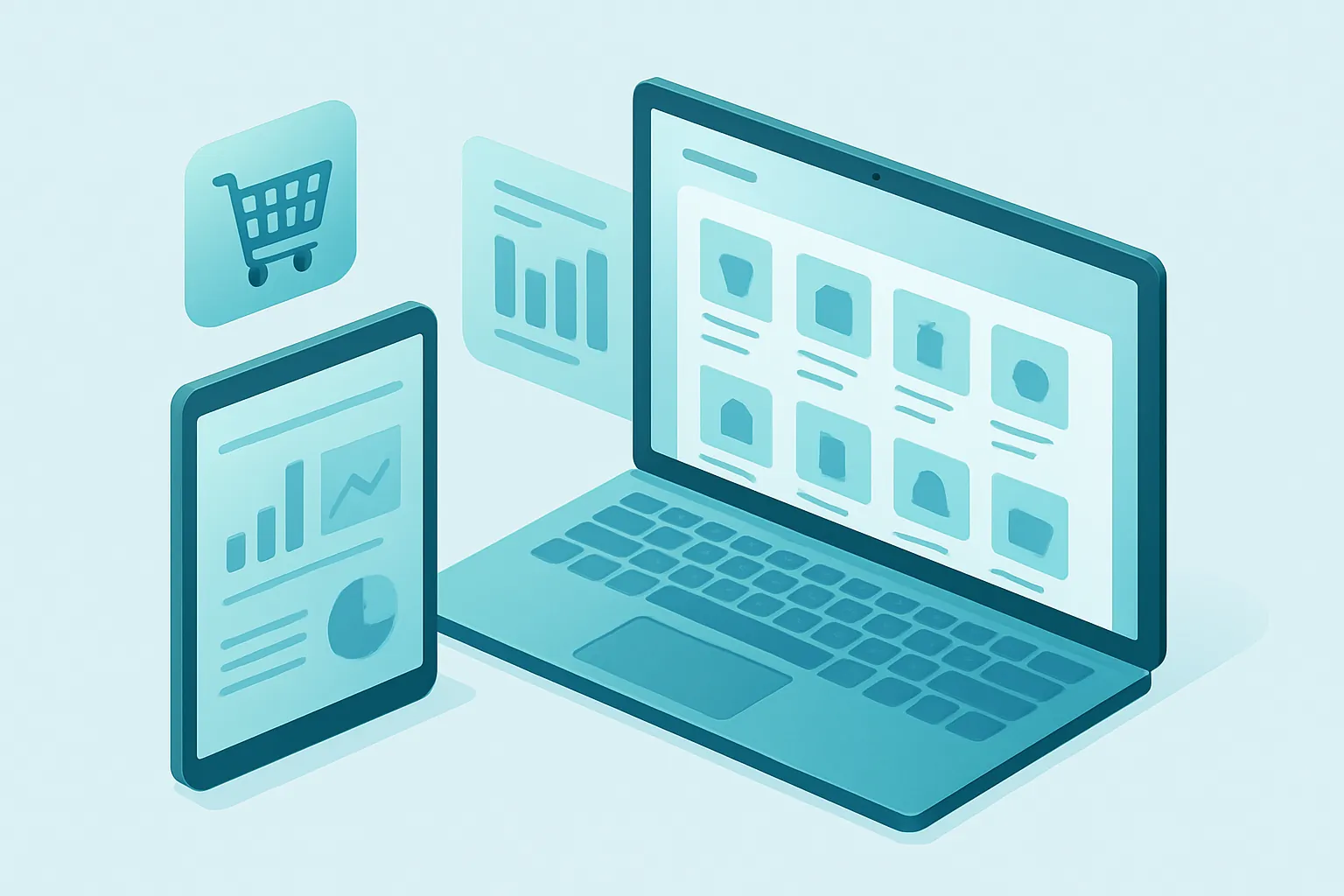
Shopify, WooCommerce, and similar platforms are great for getting an online store running fast. In a few hours you have a catalog, a cart, and a payment gateway working. The problem isn’t starting with them — it’s what happens six or twelve months later, once your business no longer looks like a generic store selling t-shirts to consumers, but a B2B or wholesale operation with rules of its own.
That’s when many companies discover that the platform that got them off the ground is now the thing holding them back.
The signs you’ve outgrown it
These platforms are optimized for one use case: selling to a final consumer, with a simple catalog and a single price per product. If your business looks like this, you’ve probably already felt the friction:
- Different prices per customer or volume: wholesalers, distributors, or contract clients need different price lists, and the third-party apps that try to bolt this on are fragile, expensive patches.
- Quotes and credit terms, not just a cart: your B2B clients ask for a quote, negotiate terms, and pay in 30 or 60 days — a flow no “checkout register” style store natively supports.
- Large or highly technical catalogs: thousands of SKUs, variants, spec sheets, or configurations that make a generic admin panel slow and confusing to manage.
- Fees that grow with your sales: the more you sell, the more you pay the platform per transaction, on top of the monthly plan and add-on apps.
- No real integration with your operation: the order is created in the store, but someone still has to type it again into the ERP, inventory system, or WMS — with all the errors and delays that implies.
None of these signs mean the platform is bad. They mean your business has grown past the mold it was built for.
What a custom storefront gives your business
Your business rules, not the plugin’s
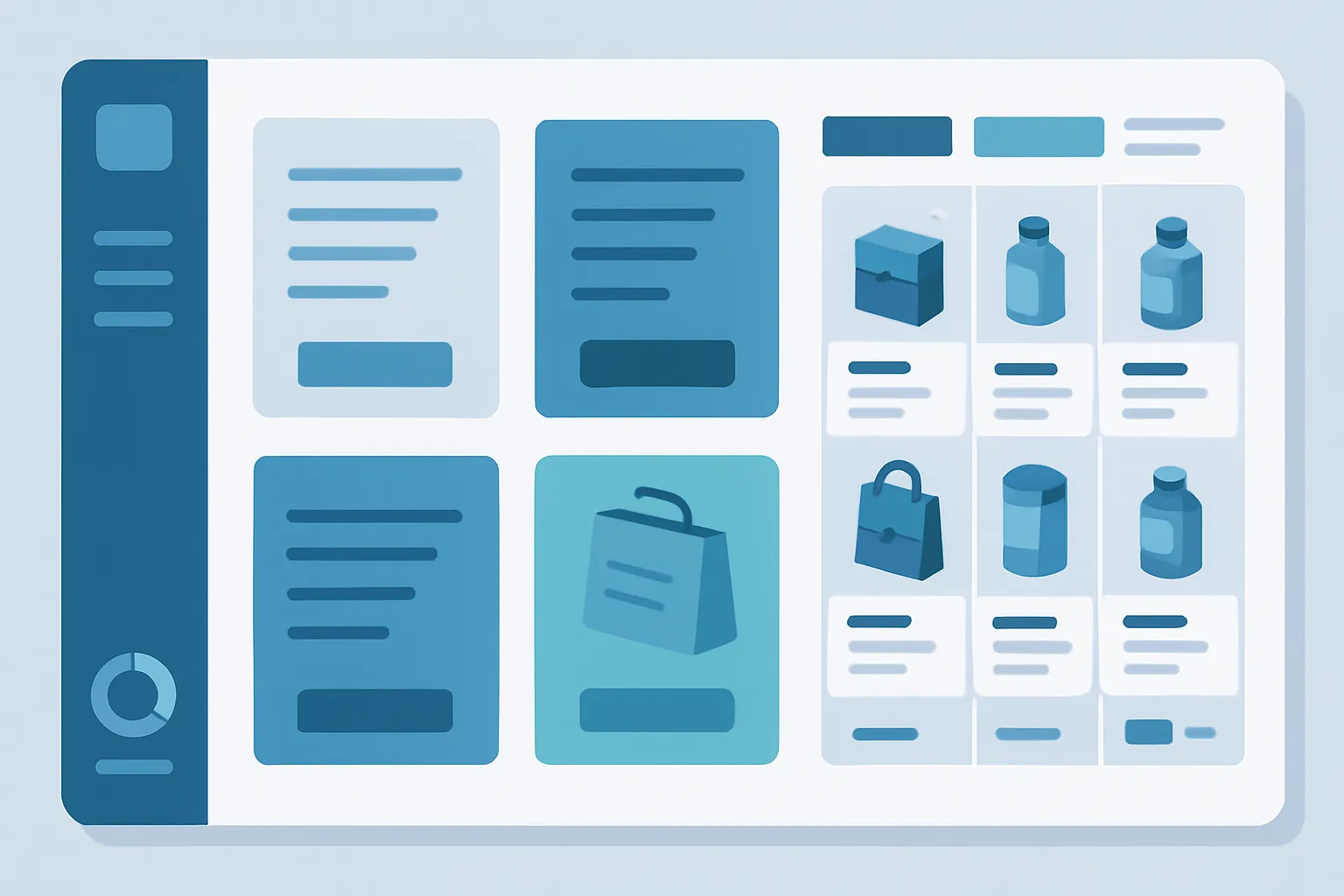
Pricing by customer, volume, or region; minimum order quantities; catalogs visible only to certain user types (authorized distributors, for example); approval workflows for large purchases. All of this gets built as part of the system itself, not as a third-party app that can break on the next platform update.
Checkout that matches how your customers actually pay
Bank transfer, cash on delivery, a credit line with your company, installment payments tied to a contract: options that go beyond “credit card” and that most off-the-shelf platforms support only partially, through unstable integrations.
Real integration with your ERP, inventory, and logistics
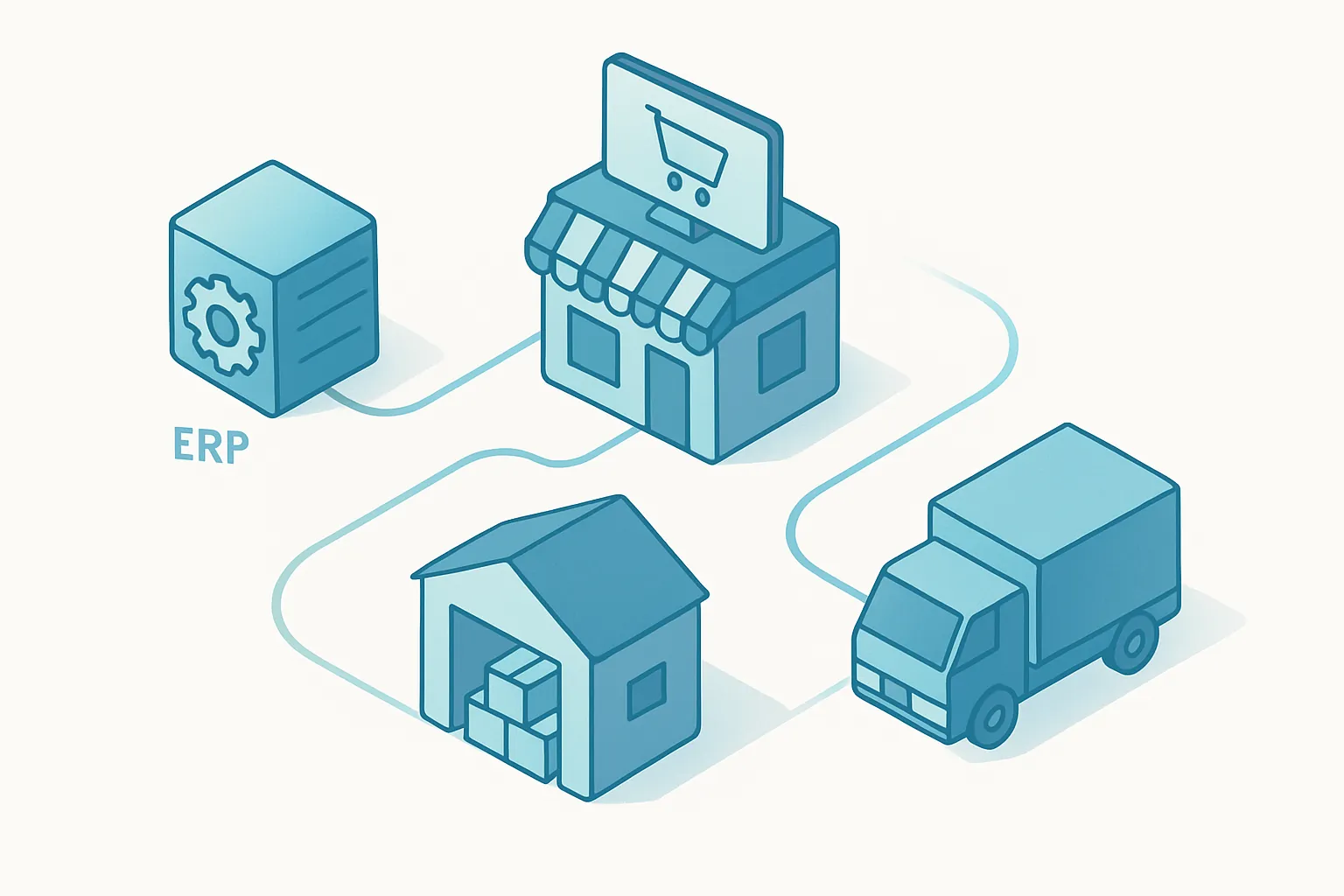
An order placed in the store should deduct inventory, generate the picking order, and update your ERP automatically, with no double data entry. This is, more often than not, the number one reason a company decides to build its own platform — it’s not about the storefront itself, it’s that the store finally speaks the same language as the rest of its systems.
No transaction fees, no plan limits
You pay for development and maintenance, not a growing percentage of every sale or a monthly fee that jumps once you cross a certain number of products or orders. Past a certain volume, the difference is significant.
It scales like you do, not like the plan you signed up for
New business lines, an internal B2B marketplace, integration with an ERP the commercial platform doesn’t natively support: the system grows with you instead of forcing you to migrate platforms every time your needs change.
When does it make sense to make the switch?
Moving to a custom platform isn’t the right call for everyone, especially early on. It’s worth evaluating when:
- You sell mainly to other businesses, not just end consumers, and your pricing model no longer fits a single list.
- Your team enters orders twice: once in the store, once in the system that actually runs your operation.
- Transaction fees already add up to a meaningful figure compared to the cost of building your own platform.
- You need different catalogs or permissions depending on customer type (distributor, wholesaler, general public).
- Your order volume justifies automating processes that today depend on someone manually re-typing information.
How to start without betting everything at once
You don’t need to rebuild the entire store in one shot. A proven approach is to start with an MVP focused on the most expensive pain point — the ERP integration or the customer-specific pricing module, for example — while keeping the rest of the operation as-is, and expand from there based on real usage data instead of assumptions.
If your online store no longer reflects how your business actually sells, let’s talk. At Kimo Solutions we design custom e-commerce platforms that connect to your entire operation, not just your shopping cart.
Have a project in mind?
Get in touch →