
Custom Customs Brokerage Software: Clearances, Documents, and Clients in One System
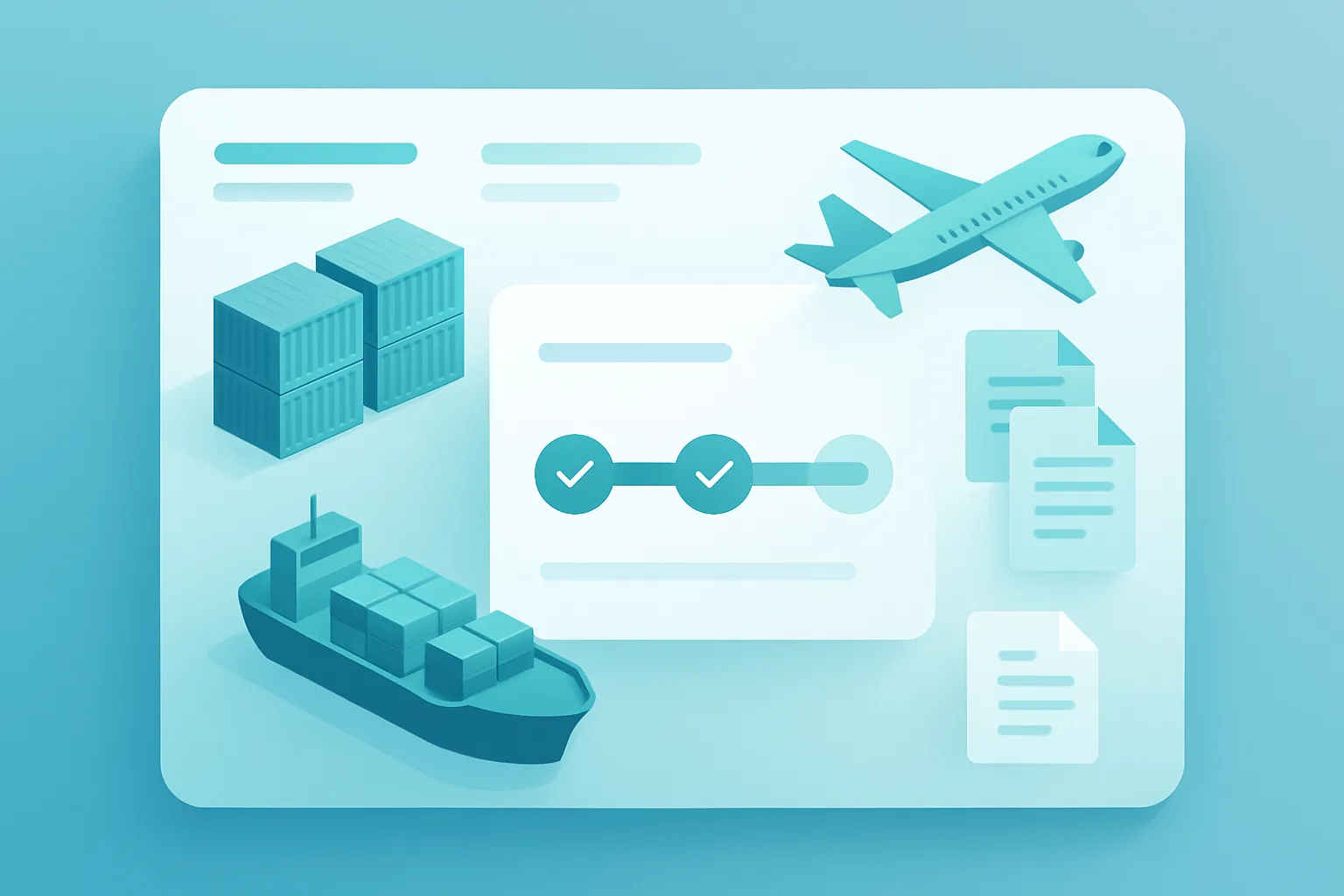
Nearshoring has put Mexican customs brokerages in an uncomfortable spot: more clients, more operations per day, and the same processes they used ten years ago. A customs declaration gets assembled from invoices that arrive by email, each client’s file lives in a shared network folder, shipment status gets answered over WhatsApp, and permit, registry, and bond expiration dates get tracked in a spreadsheet someone updates “when they remember.”
While a brokerage handles twenty operations a month, this informal system holds up. Once it grows to a hundred, two hundred, or more, the real risks start showing up: a customs clearance delayed because a missing document went unnoticed, a client asking for their shipment’s status and the broker having to call three people to find out where it stands, or a fine from the tax authority because nobody saw a registry expiration coming.
A custom customs brokerage system is not a generic ERP or a shared inbox. It’s a platform built around how your brokerage actually operates: your clients, your clearances, your documents, and your regulatory deadlines, all connected.
The signs a brokerage already needs its own system
This problem rarely shows up all at once; it builds until several of these signs line up:
- A shipment’s status depends on asking whichever broker is handling it, because there’s no single place to check it.
- Documents for each operation (invoices, certificates of origin, permits, customs forms) get searched for in email folders or on someone’s desktop.
- Registry, bond, and permit expirations are tracked “from memory” or in a spreadsheet nobody reviews daily.
- Onboarding a new client means manually rebuilding their file, tax data, and operation history from scratch every time.
- The owner or operations manager has no single place to see how many clearances are open, which are stuck, and why.
If two or three of these sound familiar, the cost of keeping things as they are — in time, in regulatory risk, and in clients who leave for a brokerage that offers more visibility — already outweighs the cost of building a system of your own.
What a custom system solves for customs brokerages
Digital client files with full history
Every client — importer or exporter — gets a single file with their tax data, authorized registries, contacts, and complete operation history. When a new shipment comes in, the broker doesn’t start from zero: they reuse already-validated information and only capture what’s changed.
End-to-end clearance tracking
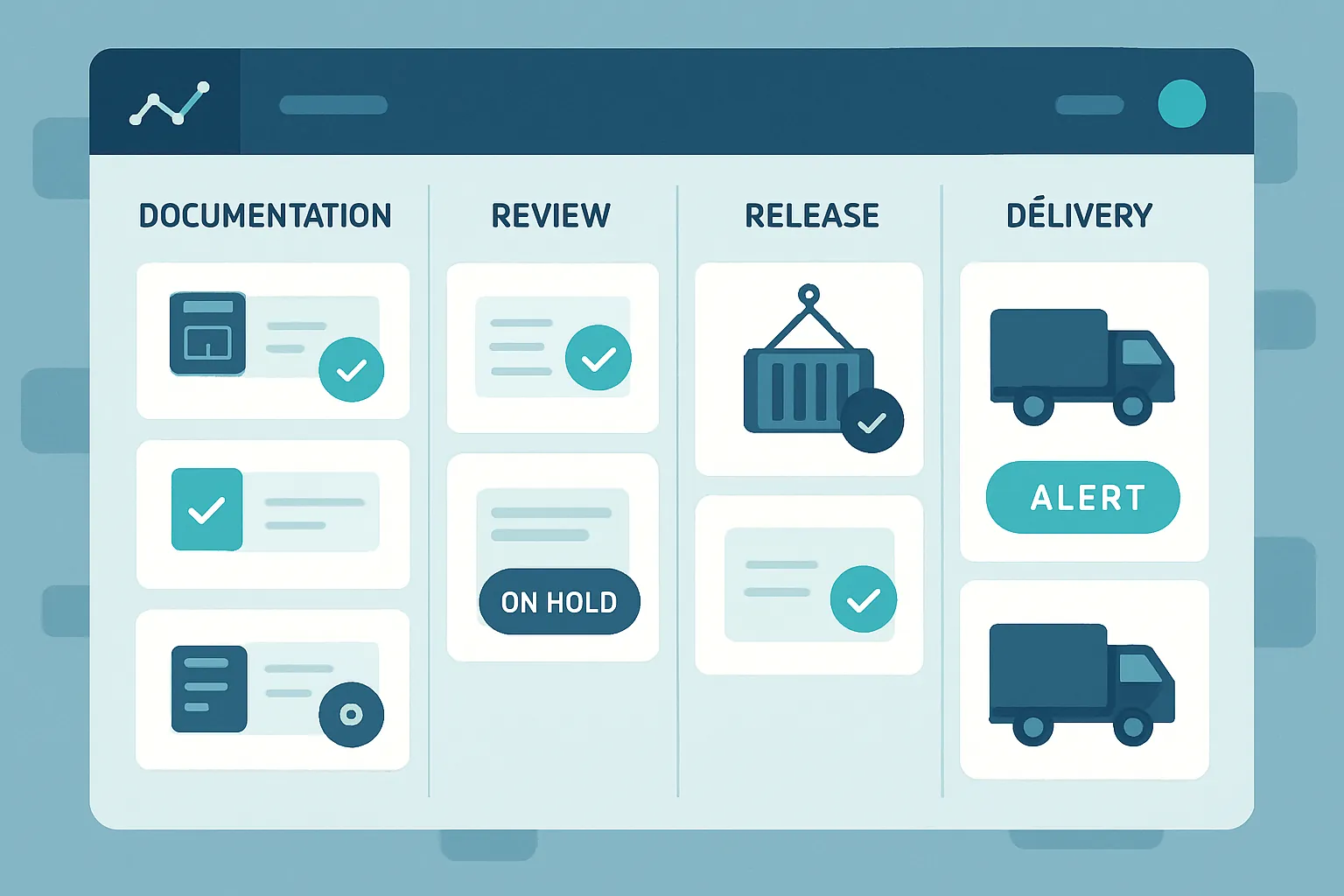
Every operation moves through visible stages — documentation, validation, filing, review, release, delivery — and the system records who did what and when. Nobody has to ask what stage a shipment is at: they check it directly in the system, and the client can check it too from their own portal.
Document and deadline control
Invoices, packing lists, certificates of origin, permits, and customs forms attach directly to the operation’s file, not to an email folder. The system gives advance notice before a registry, bond, or permit expires, so compliance stops depending on someone remembering.
Client portal with real-time visibility
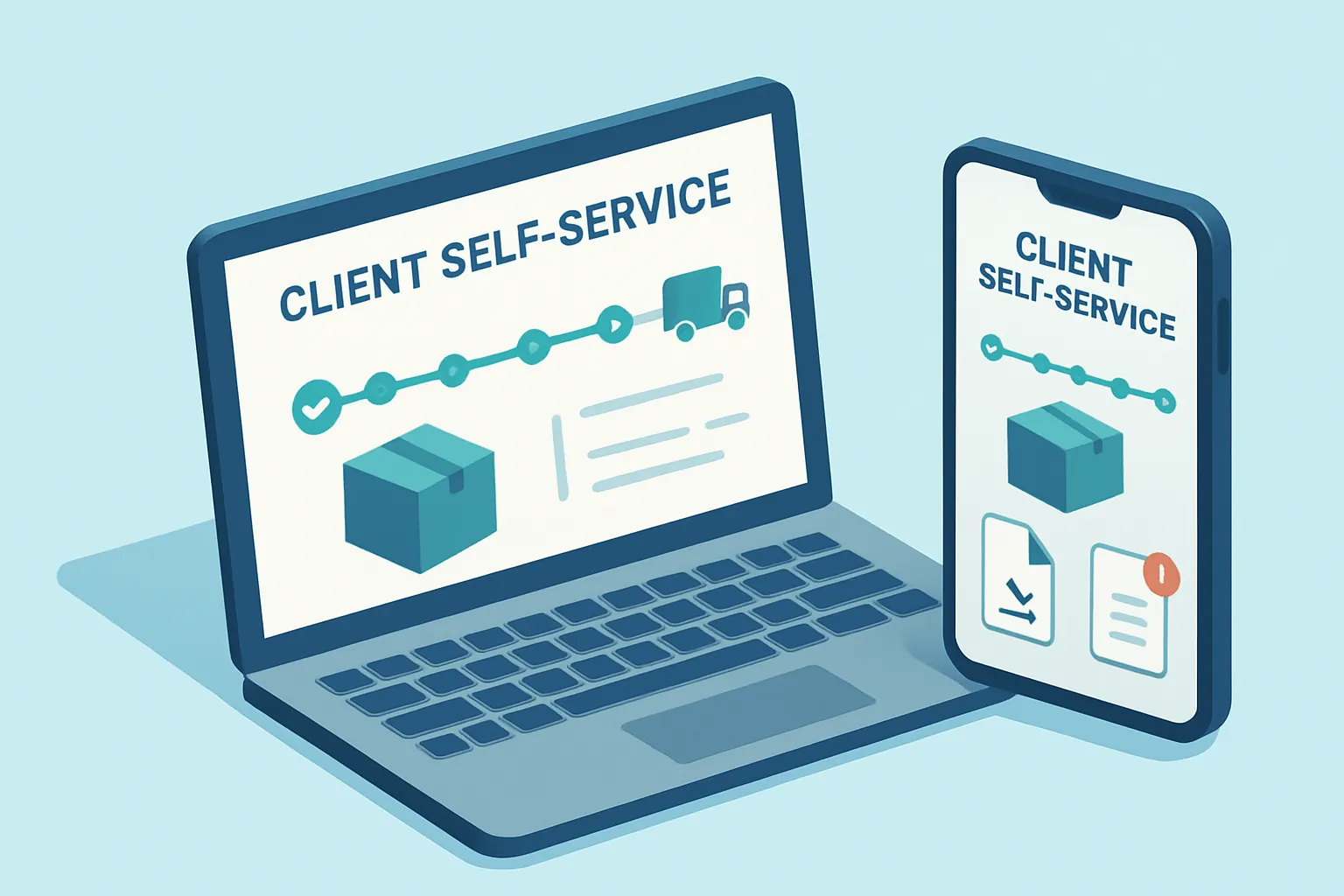
A portal where each client sees their shipments’ status, downloads their clearance documents and invoices, and gets automatic notifications as their cargo moves forward. This drastically cuts down “how’s my shipment going?” calls and emails, and becomes a real differentiator against brokerages that only answer over WhatsApp.
Operations dashboard for managers
A dashboard showing, in real time, how many operations are open, which broker is handling each one, which are stuck and why, and which regulatory deadlines are approaching. Decisions stop being based on gut feeling and start being based on data that’s current to the minute.
Integration with customs portals, tax authorities, and carriers
The system can connect to the platforms you already work with — government trade portals, tax authority systems, ocean and air carriers, freight forwarders — to avoid entering the same information twice and to automatically pull each shipment’s transit status.
The real return on investment
The value isn’t the technology itself — it’s what stops getting lost:
- Fewer fines and delays from registry, bond, or document expirations that used to slip through.
- Fewer labor hours spent searching for documents, building reports by hand, or answering status calls over the phone.
- Clients who stay longer, because they get real visibility into their operations without having to ask for it.
- Capacity to grow without hiring proportionally more administrative staff, because the system absorbs the repetitive work.
For a brokerage moving hundreds of operations a month, these savings add up to several times the system’s cost within the first year, on top of a concrete reduction in regulatory risk.
This isn’t generic software — it’s your operation
Every customs brokerage has its own particularities: cargo types, recurring clients, specific agreements, internal rules for assigning brokers. A custom system is built around those particularities, not the other way around. That means your team doesn’t have to adapt how they work to fit generic software: the software adapts to how you already operate, and improves what’s currently done by hand.
If your brokerage already feels the weight of more operations without more visibility, it’s time to talk about what a system built specifically for how you work would look like.
Want to see what a system like this would look like for your brokerage? Contact us and let’s talk about your current operation and how quickly we could digitize it.
Have a project in mind?
Get in touch →